

 By
By 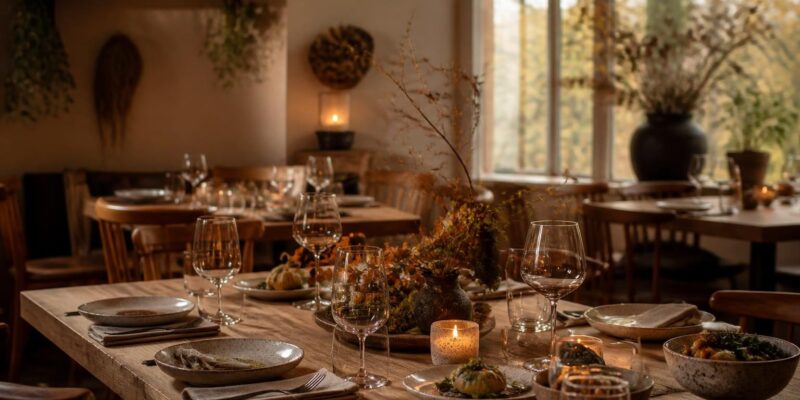
Estonia’s autumn restaurant calendar gains a nationwide focus on 7 October, when the 18th edition of FoodLover Restaurants Week begins. The 12-day event runs until 18 October and invites diners to explore special menus created for the occasion rather than choosing only from restaurants’ everyday offerings.
The programme is spread across six locations: Tallinn, Tartu, Pärnu, Türi, Viimsi and Võsu. That geographical spread gives the event a broader character than a capital-city dining promotion. It links Estonia’s largest urban centres with smaller towns and resort or coastal destinations, encouraging visitors to combine a meal with a local day trip.
A national dining event with a local focus
According to Visit Estonia’s event listing, participating restaurants will offer menus built around both local specialities and international tastes. The event is presented as an opportunity to discover Estonia’s restaurant culture at a more accessible price point, while giving restaurants a platform for seasonal creativity.
The official Tallinn event listing describes the week as a chance to try dishes that are not normally available in everyday service. It also highlights the combination of fixed-term menus, seasonal flavours and new culinary ideas. In practice, that makes the event useful for two groups at once: regular restaurant-goers looking for something new, and residents or visitors who may use the campaign to try a restaurant for the first time.
FoodLover Restaurants Week is organised twice a year, according to the event’s own archive. The October edition is therefore part of an established rhythm in Estonia’s food culture rather than a one-off promotion. Its autumn timing also gives participating restaurants an opportunity to work with ingredients and flavours associated with the season.
From Tallinn to smaller destinations
Tallinn remains the largest centre in the programme, but the list of destinations extends beyond the capital. Tartu brings the event into Estonia’s university city, while Pärnu adds the country’s best-known summer resort to the autumn food map. Viimsi, just outside Tallinn, offers a nearby coastal setting, while Võsu connects the programme with the Lahemaa area. Türi provides a smaller-town perspective in central Estonia.
This distribution matters because restaurant culture is often presented through capital cities. A nationwide event can instead show how dining experiences differ by place: urban restaurants may emphasise contemporary international cuisine, while smaller destinations can connect meals more directly with regional identity, local producers and seasonal travel.
The event’s organisers do not frame the programme as a competition between destinations. Its appeal is cumulative. Diners can choose a nearby restaurant, plan a weekend in another Estonian town or use the menus as a reason to return to a familiar place.
How the event works
Restaurants participating in the campaign publish special menus for the event period. Visit Estonia describes the offer as covering the full meal experience, from starters through desserts, with drink pairings available at some venues. The precise dishes, prices and booking conditions vary by restaurant.
Reservations and menu information are handled through the event’s booking system and participating restaurants. The Tallinn city event page advises guests to use the FoodLover reservation and ticketing platform, while Visit Estonia provides the overall dates and locations. Diners should therefore check the selected restaurant’s current menu and availability before travelling.
- The event runs from 7 to 18 October 2026.
- Participating locations include Tallinn, Tartu, Pärnu, Türi, Viimsi and Võsu.
- Menus are created specifically for the campaign and may not be available after the event.
- Reservations, prices and dietary options should be confirmed directly with the chosen restaurant.
Food as a form of local discovery
Restaurant weeks are commercially organised events, but they also function as a form of cultural programming. Food connects visitors with local ingredients, hospitality traditions and changing ideas about what Estonian dining can be. It also creates an accessible reason to move between regions during a quieter part of the travel year.
For Estonia, the October edition arrives during a period when restaurants can present autumn produce and cooler-season menus while towns and cities continue to welcome visitors. The result is a modest but constructive piece of domestic tourism: a national event built around independent venues, regional variety and the simple social ritual of sharing a meal.
FoodLover Restaurants Week continues through 18 October. With its combination of special menus and locations across the country, the event offers a current snapshot of Estonia’s food scene—and an invitation to experience it one table at a time.




















Comments