 By
By 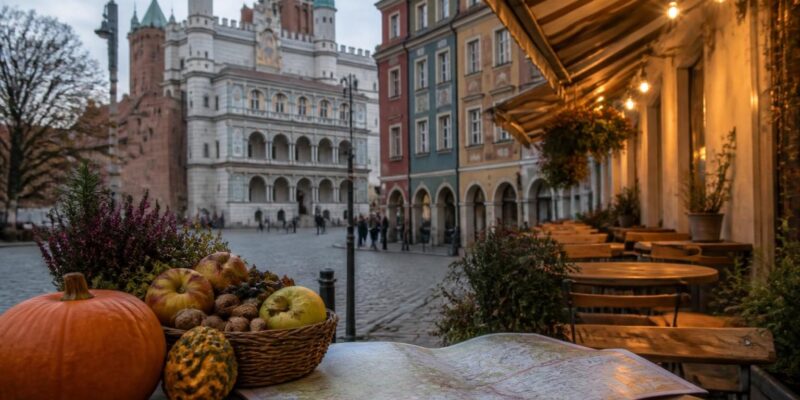
POZNAŃ, Poland — Poland’s tourism sector is using this week to put regional travel, food experiences and business cooperation in the same frame. BUY POLAND 2026, an international programme organised by the Polish Tourism Organisation, is under way in Poznań from 5 to 9 October, bringing foreign travel agencies and tour operators together with Polish tourism businesses.
The event is a constructive, industry-focused look at how destinations are presented to international visitors. Its programme combines study tours with a business workshop, giving overseas professionals an opportunity to experience parts of Wielkopolska and Poznań before meeting hotels, restaurants, destination organisations, transport companies and other suppliers.
A live showcase for regional tourism
According to the Polish Tourism Organisation, more than 100 representatives of foreign travel agencies and tour operators have come to Poznań for the fifth edition of BUY POLAND. Participants include professionals from markets such as Japan, Mexico, Canada, the United States and several European countries.
The format is designed to move beyond promotional presentations. During the first part of the programme, participants visit destinations and attractions connected with different types of travel. The official programme offers four study-tour themes: family holidays, active tourism, culinary experiences, and history and culture.
That structure reflects the increasingly varied way visitors plan trips. A short city break may now be combined with a regional food itinerary, an outdoor activity or a heritage visit. For Wielkopolska, the arrangement also provides an opportunity to present Poznań as a base for exploring the wider region rather than as a stand-alone urban destination.
Food as part of the travel offer
The culinary route is one of the most lifestyle-oriented elements of the programme. Rather than treating food as an isolated attraction, the route places local cuisine within a broader travel experience that includes places, producers, hospitality businesses and regional identity.
For tourism operators, this kind of programme can help turn local products and traditions into bookable experiences. Visitors may be interested not only in what they eat, but also in where ingredients come from, how regional dishes are prepared and how a destination’s food culture connects with its history and landscape.
The approach is particularly relevant in a region with a strong agricultural background and a large network of towns, villages and cultural sites. It allows tourism businesses of different sizes to participate in one destination story, from accommodation providers and restaurants to museums, guides and local attractions.
From familiarisation visits to business links
The study visits are followed by a full-day business workshop on 8 October. The workshop is intended to connect international buyers with Polish suppliers and help participants develop new travel products for foreign markets.
The official application material lists more than 100 Polish service providers among the expected participants, including destination management companies, hotels, restaurants and transport businesses. In practical terms, the event creates a setting where a foreign tour operator can move from seeing a destination to discussing prices, logistics, seasonal availability and possible itineraries with local partners.
This distinction matters for smaller tourism businesses. International visibility alone does not guarantee bookings. Direct contact with travel professionals can help regional suppliers understand what overseas customers need, how far in advance they plan, and which experiences can be combined into a coherent package.
Poznań as a meeting point
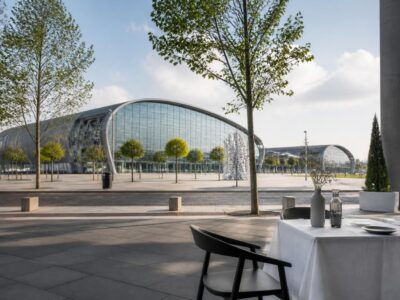
Poznań’s role as host is also significant. The city offers established conference infrastructure, transport connections and a compact historic centre, while the surrounding Wielkopolska region provides a varied setting for cultural, active and culinary tourism.
BUY POLAND 2026 does not announce a single new attraction or investment. Its importance lies in the practical work of connecting existing assets with international demand. The programme gives foreign professionals a concentrated introduction to Poland’s regional diversity and gives domestic businesses a chance to build relationships that may continue after the event.
As the programme continues through 9 October, the emphasis remains firmly on cooperation: seeing destinations first-hand, comparing travel ideas and turning local hospitality, food and heritage into experiences that can be responsibly presented to visitors abroad.







Comments