

 By
By 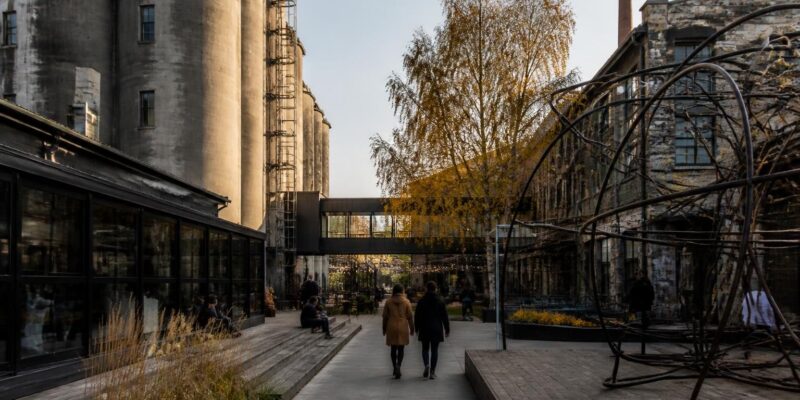
Tallinn’s annual design week is under way, giving visitors a fresh reason to explore the Estonian capital beyond its best-known historic streets. The 21st Tallinn Design Festival, known locally as Disainiöö, runs from 28 September to 4 October 2026, with its main base at Põhjala Factory in the city’s Kopli area and a satellite programme spread across Tallinn.
This year’s theme, “Future of Product Design”, places sustainability, adaptability and material awareness at the centre of the programme. For travellers, that makes the festival more than a conventional exhibition visit: it is also a route through former industrial spaces, design studios, galleries, museums, shops and creative hubs.
A former factory becomes the festival centre
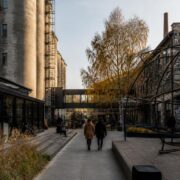
Põhjala Factory, a regenerated industrial complex in northern Tallinn, is hosting the festival’s principal exhibitions and events. The site provides a distinctive setting for a programme that ranges from product design and fashion to landscape architecture, materials and circular production.
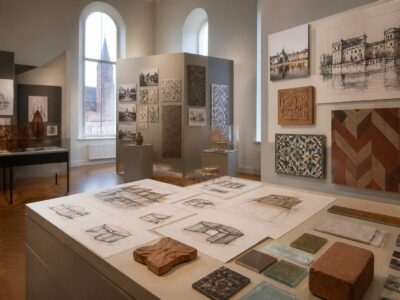
Among the headline displays is the BRUNO 2026 Estonian Product Design Award exhibition. It presents products and product series created during the past two years, from everyday objects to technically more complex solutions. The exhibition is free to visit during the festival and is intended to show how Estonian designers are responding to practical, environmental and social questions through objects and services.
The programme also includes a presentation of the French Design Impact Award, a Verner Panton centenary exhibition and a fashion pop-up by graduates of the Estonian Academy of Arts. Together, the exhibitions offer visitors several ways into Estonia’s contemporary design scene, whether their interest is furniture, clothing, architecture, materials or visual culture.
Design spreads across Tallinn
The festival’s satellite programme is particularly useful for visitors who want to see different parts of the city. According to the organisers, more than twenty partner venues are taking part, including studios, showrooms, galleries, museums, creative centres and shops.
The satellite route connects established design themes with places that are not always included in a first-time Tallinn itinerary. Events explore subjects such as interior architecture, fashion, material culture, circular design, Bauhaus influences and new collaborations between Estonian designers and businesses. Several displays and pop-ups remain open throughout the festival week, allowing visitors to build a flexible self-guided programme around the main events at Põhjala Factory.
For travellers, the format also offers a useful introduction to Tallinn’s creative districts. The festival does not concentrate entirely in the medieval Old Town or in a single cultural institution. Instead, it encourages movement between industrial heritage sites, contemporary workspaces and central galleries.
Workshops make the programme practical
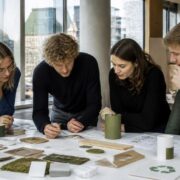
Disainiöö is designed for participation as well as observation. Workshops during the week include LEGO Serious Play, a children’s print laboratory using recycled T-shirts, leather-bag making and sessions examining the skills needed to make the textile sector more sustainable.
Some workshops require advance registration or a fee, while other exhibitions and outdoor areas are free. The organisers advise visitors to check individual event details before setting out, since opening hours and registration requirements vary between venues.
On 30 September, the programme includes an outdoor area curated by the Estonian Association of Landscape Architects. The installation at Põhjala Factory is intended as a place to pause and consider how public space can serve people of different ages and abilities. A separate international networking event, Design Meets Estonia 2026, brings Estonian companies together with visiting designers, professionals and journalists.
From product ideas to public debate
The festival’s international conference, “Future of Product Design”, takes place on 1 October. Its agenda examines how rapid technological change, artificial intelligence, new material science and sustainability requirements are changing the work of designers.
The discussion goes beyond the appearance of finished products. The programme highlights production chains, material origins, end-of-life questions and the relationship between physical and digital services. That wider perspective gives the festival relevance for visitors interested in how everyday objects are made, used and reused.
The Estonian Design Awards 2026 gala follows on 2 October. The awards cover product, graphic, web and service design, as well as young designers and lifetime achievement. A free landscape-architecture bicycle tour is also scheduled for the same day in English and Estonian, offering another way to connect design with Tallinn’s streets and public spaces.
Planning a visit
The main festival programme is based at Põhjala Factory, while satellite events take place around Tallinn through 4 October. Visitors should consult the official programme for current times, ticket information and registration links. The city’s tourism calendar also lists the festival as a week-long event with exhibitions, fashion shows, seminars, children’s activities, workshops and a weekend design market.
With its combination of free exhibitions, hands-on sessions and citywide venues, Disainiöö offers an accessible autumn itinerary for visitors who want to see Tallinn through contemporary creativity rather than only through its historic architecture. It is also a timely showcase of how Estonia’s design community connects cultural activity with materials, business and the everyday urban environment.













Comments