
 By
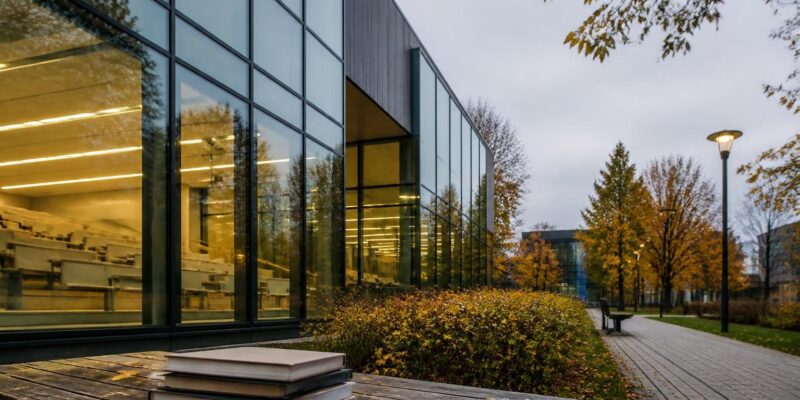
The Pomeranian University in Słupsk is preparing to launch a new two-year public science programme designed to bring research closer to residents, schools and local institutions. The initiative, titled “Słupskie Spotkania Naukowe”, will begin on 18 November 2026 with an international meeting on the future of education and science in the age of digital transformation.
The announcement, published by the university on 14 November, presents the programme as an open platform rather than a one-off conference. Its planned activities include academic sessions, public debates, expert panels, workshops and popular-science meetings. The university says the programme will involve researchers, students, doctoral candidates, teachers, pupils, senior citizens, public institutions, civic organisations and residents of the region. ([iz.upsl.edu.pl](https://www.iz.upsl.edu.pl/aktualnosci-serwisu/slupskie-spotkania-naukowe-nauka-blisko-ludzi%21-miedzynarodowa-inauguracja-juz-18-listopada-na-uniwersytecie-pomorskim-w-slupsku?utm_source=openai))
A public-facing role for the university
The project reflects a broader effort by regional universities to make research more accessible outside the campus. According to the university’s description, the meetings are intended to explain research findings in an understandable way while creating opportunities for discussion and cooperation between academia and the surrounding community.
The programme received PLN 238,500 in support through the Ministry of Science and Higher Education’s “Social Responsibility of Science III – Popularisation of Science” scheme. The university’s earlier project summary identifies public engagement, the promotion of researchers’ work and a lasting dialogue between science and society as the main goals. A government funding document also lists “Słupskie Spotkania Naukowe” among the supported projects. ([upsl.edu.pl](https://www.upsl.edu.pl/aktualnosci-serwisu/program-spoleczna-odpowiedzialnosc-nauki-iii?utm_source=openai))
That funding gives the project a stable framework for activities extending through 2026 and 2027. It also places Słupsk within a national network of institutions using popularisation programmes to connect academic work with everyday questions and local educational needs.
Opening discussion: how technology changes learning
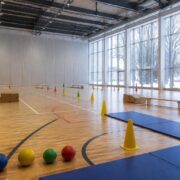
The inaugural meeting will take place at 9:30 on 18 November in the Multifunctional Hall of Pomeranian University in Słupsk. Its theme is “Global challenges of education and science in the age of digital transformation”. The opening session will examine several practical questions: how constant digital availability affects people, what role screen-based devices play in daily life, and how artificial intelligence can be used responsibly in learning and self-directed education.
The programme includes presentations by researchers from Nicolaus Copernicus University in Toruń, Kazimierz Wielki University in Bydgoszcz, the Academy of Justice and Pomeranian University. Topics include the smartphone as a technology of permanent availability, the effects of screen devices on human functioning, artificial intelligence and self-education, and the use of AI in mathematics education. ([new.upsl.edu.pl](https://new.upsl.edu.pl/aktualnosci-serwisu/slupskie-spotkania-naukowe-nauka-blisko-ludzi%21-miedzynarodowa-inauguracja-juz-18-listopada-na-uniwersytecie-pomorskim-w-slupsku?utm_source=openai))
An international and regional network
The opening day will also feature an international panel with academics from Poland, Romania, Moldova, Tanzania and Lithuania. Participants listed by the university include representatives of Transilvania University of Brașov, West University of Timișoara, the University of European Studies of Moldova, the Catholic University College of Moshi, Kaunas University of Technology and Pomeranian University.
This international element gives the programme a comparative dimension. Questions about digital learning are not limited to one national education system: schools and universities across Europe and beyond are considering how to balance technological opportunity with attention, wellbeing, independent thinking and human interaction. For Słupsk, the panel offers a way to place local educational discussion within a wider exchange of experience.
The university also emphasises cooperation with schools, municipalities, social organisations and residents of the Pomorskie region. That approach could help turn science communication into a continuing civic activity rather than an occasional public lecture. It also gives teachers and students a direct route into conversations usually held within specialist academic circles.
A continuing invitation to engage with research
Further meetings under the programme are expected to address education, psychology, human development, new technologies, artificial intelligence, future skills and the social responsibilities of science. The university describes the initiative as open and integrative, with an emphasis on participation and the joint search for responses to current educational and social needs.
The first event therefore has significance beyond its single agenda. It marks the start of a sustained attempt to make research more visible in the everyday life of a regional city, while giving academics, educators and residents a shared place to discuss how learning is changing.













Comments