

 By
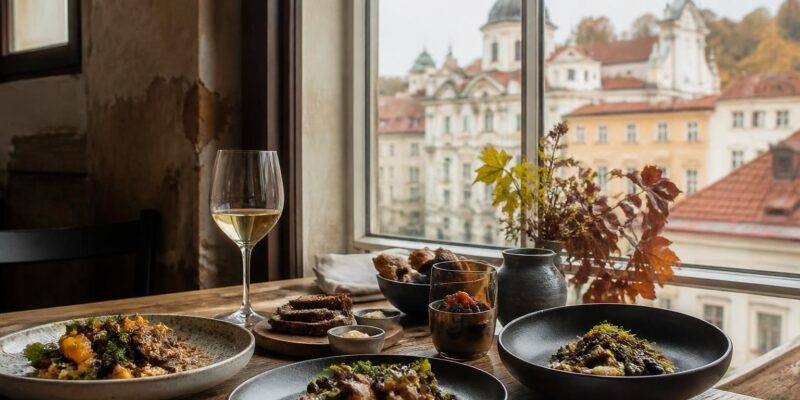
A week when Lithuania becomes a dining map
Lithuanian Gastronomy Week is under way this week, giving residents and visitors a practical reason to explore the country through its restaurants. The 16th edition runs from 9 to 15 November 2026, with 79 participating restaurants offering specially created menus at three fixed price levels: €40, €50 and €60 per person. The event is organised around the theme “Flavours Bring Us Together”. ([delfi.lt](https://www.delfi.lt/en/culture/gastronomy-week-kicks-off-in-lithuania-with-79-restaurants-offering-special-menus-120331292?utm_source=openai))
For travellers, the appeal is straightforward. Rather than presenting Lithuanian cuisine as a single national formula, the programme connects restaurants in Vilnius with venues in regional towns and resort destinations. Menus draw on forest produce, farm ingredients, historical recipes and international influences, allowing a short trip to become a broader introduction to Lithuania’s culinary geography.
Go Vilnius lists the capital’s programme as a city-wide restaurant route, with tasting menus available at €40, €50 and €60. The official city tourism agency presents the week as an opportunity to discover both established restaurants and newer kitchens, while Lithuania Travel describes the event as a way to combine dining with cultural visits and other autumn experiences. ([govilnius.lt](https://www.govilnius.lt/visit-vilnius/gastronomy/gastronomy-week-2026-?utm_source=openai))
From Vilnius to regional Lithuania
Vilnius remains the main gateway for international visitors, with dozens of participating restaurants spread across the Old Town, central districts and neighbourhoods beyond the historic core. The programme includes restaurants recognised by the Michelin Guide as well as more informal venues, making the event accessible at several price points rather than limiting it to luxury dining.
The wider national programme gives the week a different character from an ordinary restaurant promotion. At Kalvos in Žemaičių Kalvarija, the menu focuses on ingredients and traditions associated with western Lithuania, including turnips, buttermilk, oats and hemp bread. In Plungė, Flow presents a four-course menu inspired by Argentina, Brazil and Uruguay. In Varėna District, Viensėdis combines local Dzūkija produce with spices from farther afield. ([delfi.lt](https://www.delfi.lt/en/culture/gastronomy-week-kicks-off-in-lithuania-with-79-restaurants-offering-special-menus-120331292?utm_source=openai))
Other menus connect food with the history of place. Lokys in Vilnius, one of the capital’s best-known restaurants for historic Lithuanian cuisine, is offering a €40 menu built around game, mushrooms and other ingredients associated with the country’s forest culture. At Epotheca in Užupis, Lithuanian and Mexican influences meet in a menu designed around the event’s idea of cultural exchange. These examples show how the festival can work as a travel itinerary: visitors can stay in Vilnius, or use the week as a reason to make a day trip to another part of the country.
A relatively simple way to try ambitious kitchens
The fixed-price format is one of the event’s most useful features. Visitors can compare menus before booking and choose between an introductory €40 option, a mid-range €50 menu or a more elaborate €60 experience. The official Go Vilnius listing includes a large selection of participating restaurants and directs diners to individual venues for menus and reservations. Advance booking is advisable, particularly for popular restaurants and weekend evenings. ([govilnius.lt](https://www.govilnius.lt/visit-vilnius/gastronomy/gastronomy-week-2026-?utm_source=openai))
The event also lowers the threshold for trying restaurants that might otherwise feel unfamiliar or expensive. A visitor can plan one meal around a traditional menu, another around contemporary Lithuanian cooking and a third around an international interpretation of local ingredients. That variety makes the week relevant not only to dedicated food travellers but also to people looking for a manageable autumn city break.
Restaurants are using the programme for more than a set menu. Delfi’s report on the opening describes a Vilnius collaboration between the Botanist restaurant and interior-design students, who are creating food-inspired objects from materials such as pasta, chocolate, dried oranges and spices. The project underlines the broader direction of the event: gastronomy is being presented as part of design, hospitality and cultural experience, not only as a sequence of dishes. ([delfi.lt](https://www.delfi.lt/en/culture/gastronomy-week-kicks-off-in-lithuania-with-79-restaurants-offering-special-menus-120331292?utm_source=openai))
Food, seasonality and the November city
November is not Lithuania’s busiest conventional travel season, but that is part of the week’s appeal. The shorter days and colder weather create conditions for a slower itinerary built around restaurants, museums, historic streets and cafés. Lithuania Travel encourages visitors to pair the menus with cultural outings, while Vilnius promotes the event as one of the city’s notable November attractions. ([lithuania.travel](https://lithuania.travel/en/what-to-do/food-and-drink/lithuania-where-every-bite-leads-to-an-experience?utm_source=openai))
The seasonal character of the menus is also important. Mushrooms, berries, root vegetables, fermented foods, game and grains appear repeatedly in the descriptions, offering visitors a taste of ingredients linked to Lithuania’s landscapes and food traditions. At the same time, the participating chefs are using those ingredients in contemporary combinations, allowing the event to function as both heritage presentation and current restaurant culture.
With the programme continuing through Sunday, 15 November, travellers still have time to make reservations and build a short visit around it. The most useful approach is to check the official restaurant list, confirm the individual menu and price, and reserve directly with the venue. For anyone interested in seeing how Lithuania’s food culture is changing while remaining connected to regional produce and history, Gastronomy Week offers a concentrated and comparatively accessible introduction.
















Comments