 By
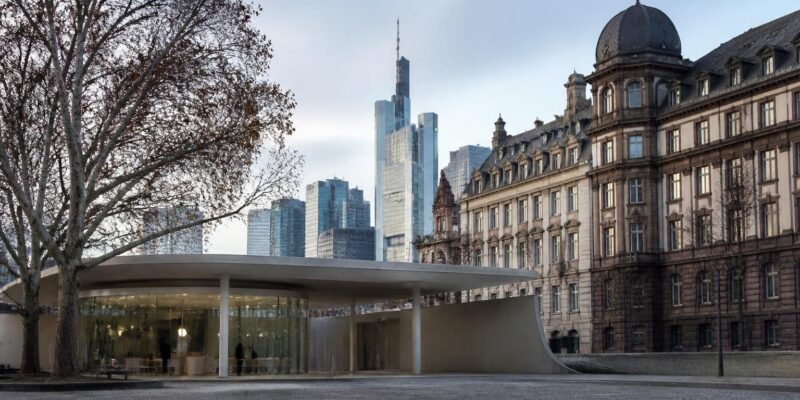
Frankfurt Rhine-Main has entered the final phase of its year as World Design Capital with a four-day programme examining how design can influence public services, democratic participation and regional development.
The Design Policy Days run from 11 to 14 November 2026 in Wiesbaden, Offenbach and Frankfurt. Organisers describe the programme as a meeting point for designers, public administrators, politicians, researchers, businesses and civil-society groups. Around 100 speakers are expected to take part in the three conference days, followed by a closing assembly at Frankfurt’s Paulskirche. ([wdc2026.org](https://wdc2026.org/en/press-releases?utm_source=openai))
From creative practice to public administration
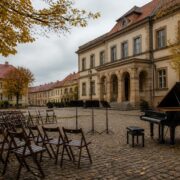
The opening conference, “When Public Service Is Designed”, takes place on 11 November at Heimathafen Wiesbaden. Its focus is the practical question of how public services can become more accessible, citizen-centred and responsive.
That discussion places design beyond its familiar association with products, graphics or architecture. In the programme’s framing, design also includes the way people encounter public institutions, use digital services and participate in decisions that affect their neighbourhoods. The German Design Council says the sessions will consider digital administration, service innovation and the conditions needed to make public systems easier to understand and use.
The theme is particularly relevant for cities and regions managing rapid technological change while trying to maintain trust in public institutions. Rather than presenting a single model, the conference is structured around examples, workshops and exchange between professional fields.
Three cities, three perspectives
The programme moves to the Hochschule für Gestaltung Offenbach on 12 November for “When Form Becomes Attitude”. The day examines design as a social and political practice, including the relationship between creative work, public space and collective responsibility.
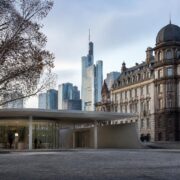
On 13 November, the programme reaches Frankfurt for “When Design Gets Political” at Goethe University. Discussions will address how design methods might be incorporated into political decision-making and how political work itself can be understood as a process of shaping institutions, rules and possible futures.
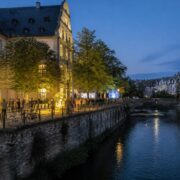
The three-city structure reflects the regional character of the 2026 title. Frankfurt, Offenbach and Wiesbaden are not being presented as separate cultural venues but as parts of a wider metropolitan area in which infrastructure, administration, education and cultural production overlap.
A proposed legacy for the region
The most concrete outcome is expected on 14 November, when the Design Action Plan Frankfurt Rhine-Main is presented at the Paulskirche. The plan is intended to translate lessons from the World Design Capital year into longer-term recommendations for politics, public administration and regional development through 2030.
According to the official programme, the closing day will also include the World Design Capital convocation ceremony. Frankfurt Rhine-Main will formally pass the title to Busan, South Korea, while the policy plan is presented as a possible institutional legacy of the German title year. ([wdo.org](https://wdo.org/programmes/wdc/wdcfrankfurtrheinmain2026/signatureevents/?utm_source=openai))
The initiative matters because it tests whether a cultural designation can leave behind more than exhibitions and temporary events. The World Design Organization describes Frankfurt Rhine-Main’s 2026 programme as an effort to connect participatory design with social cohesion, urban transformation and democratic life. The policy days now provide a public test of that ambition.
Open participation
Attendance is free, although registration is required. The programme is being offered in German and English, with automated reciprocal interpretation announced by the City of Frankfurt. The city has said that the event is close to capacity, underlining the interest in a debate that links creative practice with everyday governance.
For visitors, the four-day programme offers a concentrated view of the region’s cultural year. For the organisers, its significance will depend on whether the proposed recommendations can move from conference discussions into public institutions, local projects and future regional cooperation.












Comments