
 By
By 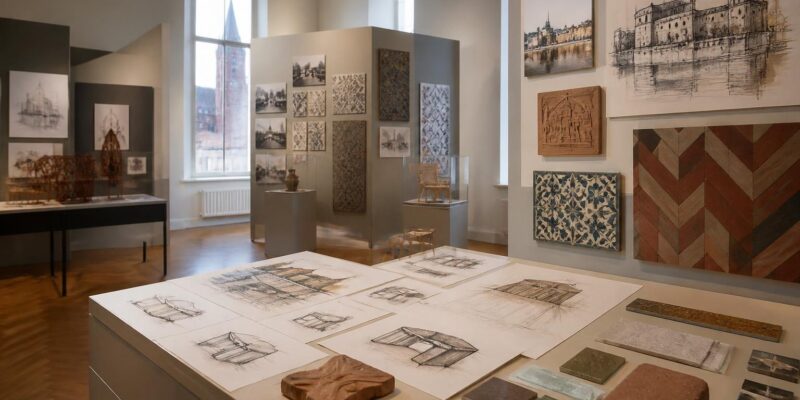
Kaliningrad’s 11th Baltic Design Biennale opened on September 4 at the Kaliningrad Regional Museum of History and Arts, beginning a programme that will continue through October 31. Under the theme “Cultural Folk Code”, the biennale places traditions, local identity and contemporary project work in the same discussion.
The event is one of the region’s established professional design platforms. Organised by the Kaliningrad regional branch of the Union of Designers of Russia, the biennale is presented as an international meeting point for experienced practitioners, students and emerging specialists. Its current edition combines an exhibition programme with educational and professional activities.
A retrospective first, new work later
The opening exhibition is a retrospective of successful Baltic Design projects from previous years. It is scheduled to remain on view at the museum until October 10, giving visitors an opportunity to follow the development of the regional design school through selected competition entries and award-winning projects.
A second exhibition phase is planned for October 16–31. It will present the strongest works from the 2026 competition, bringing current proposals into the same museum setting as the retrospective. The two-part structure gives the event both a historical dimension and a forward-looking one: visitors can see how design approaches have changed while also encountering new ideas from the current generation of participants.
Heritage as a design resource
The biennale’s central theme asks designers to consider how cultural memory and traditional visual languages can be reinterpreted for contemporary use. The organisers describe the exhibition as a way to explore national and regional codes without treating heritage as a static museum object.
That approach is relevant to a city whose public image is shaped by architecture, historic districts, museums and a distinct position on the Baltic coast. In practical terms, cultural references can influence exhibition design, public spaces, tourism products, interiors, branding and the presentation of local crafts. The biennale therefore connects artistic discussion with questions that matter to the wider creative economy.
Students and professionals in one programme
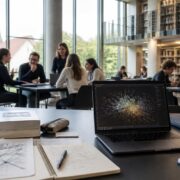
Academic cooperation is a stated part of the 2026 edition. The organisers say Kaliningrad universities are supporting the project, creating opportunities for students to engage directly with established designers and the working design sector.
Earlier programme information also highlighted “co-participatory design”, a format in which professionals, teachers, students and residents contribute to thinking about the urban environment. This makes the biennale more than a conventional display of finished objects. It presents design as a process of consultation, interpretation and problem-solving, with possible applications in the city and region.
For students, the format offers contact with professional practice and a chance to see how ideas are assessed in a public and competitive setting. For established designers, it creates a space to discuss methods with younger participants and to test how cultural references can be translated into contemporary forms.
A meeting place for the creative sector
The biennale’s two-month duration also gives Kaliningrad a sustained design focus at the beginning of the autumn cultural season. Rather than concentrating everything into a single opening day, the organisers have divided the exhibition track into stages and built the project around exchange between design, education and public culture.
That structure can help widen the audience for design. Museum visitors encounter the subject through an accessible exhibition, while students and professionals gain a venue for discussion and comparison. The result is a constructive example of how a cultural institution can serve both public education and the development of local creative networks.
The Baltic Design Biennale is open at the Kaliningrad Regional Museum of History and Arts on Klinicheskaya Street. The retrospective runs until October 10, followed by the presentation of the 2026 competition results from October 16 to 31. The overall programme is scheduled to continue until October 31.









Comments