 By
By 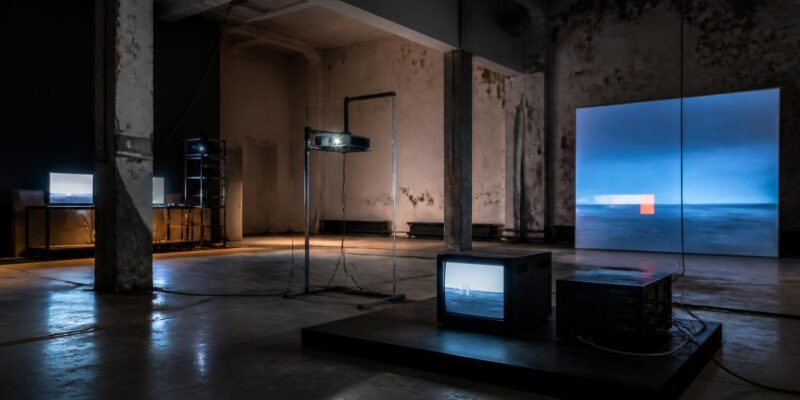
A cultural programme at the intersection of art and technology
Liepāja has opened a week-long festival devoted to one of the most practical questions in contemporary culture: how should societies understand the technologies that increasingly influence communication, education and public decision-making?
The media art and technology festival UPDATE: Democratic Technologies began on Monday, 28 September, and continues through Saturday, 3 October. It forms part of the programme connected with Liepāja’s preparations as European Capital of Culture 2027. The programme is free to attend and combines public events with workshops, masterclasses, a symposium and an exhibition.
The festival is organised by ASTE, an association working across art, science, technology and education. The event listing published by Liepāja 2027 describes UPDATE as an educational and cultural platform intended to give participants a broader international perspective on media art and technology. Liepāja’s municipal event calendar confirms the festival dates, citywide setting and free admission.
From digital tools to social questions
This year’s programme focuses on the idea of “democratic technologies”. Rather than presenting digital tools simply as instruments of innovation, the festival asks how they affect the way people communicate, learn and participate in society.
According to Riga Technical University’s Liepāja Academy, the programme will examine technological neutrality: the proposition that technologies are not merely passive tools, because their design and use can support either greater inclusion or the concentration of power. The subject gives the festival a civic dimension without turning it into a conventional policy conference. Its main method is creative practice, supported by research and technical experimentation.
Artists, designers, engineers, researchers and students from Latvia and other European countries are expected to work together during the festival. Their collaboration is intended to make questions about digital systems more accessible to a wider public, including people who may not normally visit technology or academic events.
Workshops, masterclasses and public presentation
The festival format is designed around learning by doing. Participants can take part in intensive interdisciplinary workshops and masterclasses led by local and international experts. A symposium provides space for broader discussion, while sound-art performances and other public activities connect the programme with Liepāja’s wider cultural scene.
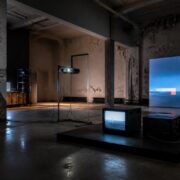
The organisers also plan an exhibition bringing together work produced during the workshops and contributions by international artists. This gives the festival a visible outcome beyond the individual sessions: visitors can encounter artistic responses to technology as displayed objects, installations or other forms of media practice.
The opening programme on 28 September included an artist and researcher symposium at Pegaza Pagalms, together with sound-art performances. Further activities are scheduled during the week at locations in Liepāja. Some workshop elements may require registration, while the wider public programme is presented as free and open to visitors.
Why the event matters for Liepāja
UPDATE adds a contemporary, research-oriented strand to Liepāja’s cultural profile. The city is often associated with its coastline, music venues and industrial heritage. A festival centred on media art creates another way to use that urban environment: as a place where technology, design and public conversation meet.
The timing also links the event to the city’s longer-term cultural development. Liepāja’s European Capital of Culture 2027 programme is being assembled through projects that connect local organisations with international partners and new forms of participation. UPDATE is a relatively compact example of that approach, using a specialist subject while keeping the public offer free.
For audiences, the festival provides an opportunity to encounter technology outside a purely commercial setting. Its workshops and exhibition can encourage visitors to think about the systems behind everyday digital life, while the involvement of students and researchers gives the programme an educational dimension.
For professionals, the event offers a meeting point between creative disciplines that are often separated institutionally. Artists can test ideas with engineers and researchers; students can encounter international practices; and local cultural organisations can develop experience in presenting experimental work to the public.
A constructive conversation about the digital future
UPDATE does not promise a single answer to the question of how technology should shape society. Its contribution is more practical: it creates a space in which those questions can be explored through making, discussion and public presentation.
With activities continuing until 3 October, Liepāja’s festival offers residents and visitors a free cultural programme that is both locally rooted and internationally oriented. It also shows how a city can use art and education to make complex technological issues understandable without reducing them to slogans.











Comments