 By
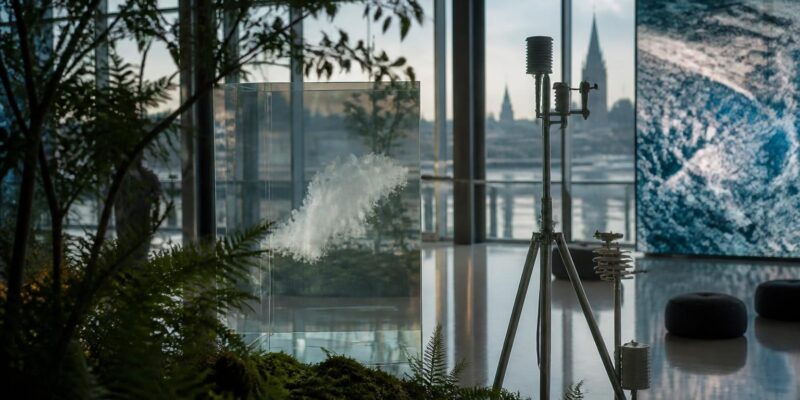
Riga is preparing to host a two-day meeting of artists, researchers and cultural practitioners focused on one of the most difficult questions surrounding the climate crisis: how can societies better perceive changes that are often slow, complex or difficult to see?
The RIXC Art Science Festival 2026, titled Climate Imagination, opens its main programme on Thursday, 22 October. The festival combines a contemporary art exhibition at the National Library of Latvia with a symposium, workshops and presentations taking place in Riga on 22 and 23 October.
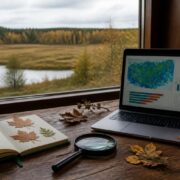
Organised by the Riga-based Centre for New Media Culture RIXC, the programme places environmental change at the intersection of art, science and technology. Rather than presenting climate change only through statistics or policy language, the organisers are inviting visitors to encounter it through sound, data, immersive media, extended reality and other sensory forms.
Making environmental change perceptible
The central exhibition explores climate imagination as a cultural and scientific field. According to RIXC, participating artists examine how people relate to ecosystems, infrastructures and everyday life at a time when climate change is reshaping all three.
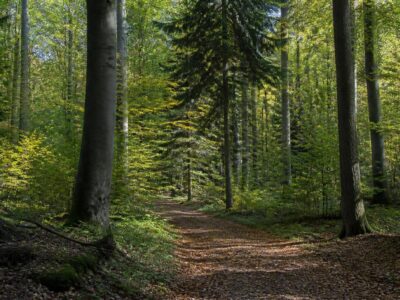
The works include approaches connected with environmental sensing, data visualisation, virtual and augmented reality, sound installations and moving image. Several projects address relationships between human and non-human life, including forests, plants, oceans and other ecological systems.
This emphasis is significant because many environmental processes do not arrive as single visible events. Changes in biodiversity, water conditions, seasonal patterns and habitats can unfold gradually, across large areas and over long periods. Artistic methods can help turn those processes into experiences that audiences can listen to, explore or discuss.
The exhibition brings together Latvian and international artists, including Maija Demitere, Patricia Domínguez, Anne Duk Hee Jordan, Marcus Maeder, Rasa Smite and Raitis Smits. The programme also includes collaborations involving artists and researchers from several European and wider international contexts.
A symposium at the National Library
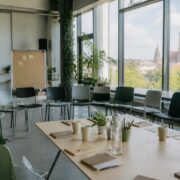
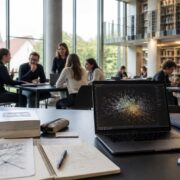
The festival symposium takes place at the National Library of Latvia on 22 and 23 October. Participation is free, although advance registration is required for the symposium and workshops.
The programme includes keynote presentations, discussions of artistic experimentation, workshops on sustainable digital production and sessions examining how extended realities can represent environmental change. One strand of the programme considers how artistic research can work with field observations, ecological data and new technologies without reducing nature to a simple visual backdrop.
The opening evening on 22 October features a keynote by Philippe Sormani, a researcher associated with the STS Lab at the University of Lausanne and the Immersive Arts Space at Zurich University of the Arts. The festival programme lists the presentation under the title “Rewilding the Lab”, with philosopher and curator Ainārs Kamoliņš responding.
On 23 October, the programme turns further towards immersive and extended-reality work. Presentations and demonstrations are intended to show how digital tools can create new ways of approaching environmental data, slow travel, biodiversity and ecological field research.
From event to longer public programme
The festival is not limited to the two-day symposium. The main Climate Imagination exhibition opens at the National Library on 22 October and remains on view into December, giving visitors more time to encounter the works beyond the professional discussions.
A related exhibition, Prompted Evolution, is scheduled at the RIXC Gallery on Lenču Street. Together, the two venues connect the institutional setting of the National Library with RIXC’s own gallery and new-media environment in central Riga.
The programme also reflects a wider trend in Latvian cultural and research life: using public events to connect environmental questions with education, creative practice and civic discussion. In this case, the organisers are not presenting a single technological solution or policy answer. They are creating a space in which audiences can consider how knowledge is produced, how ecological change is communicated and what forms of attention may be needed for a changing climate.
For Riga, the festival offers a constructive example of environmental engagement through culture. Its subject is serious, but its approach is exploratory: visitors are encouraged to listen, observe, interact and discuss rather than simply receive information. That combination makes the programme relevant not only to the arts community, but also to people interested in science communication, sustainability and the future of urban culture.









Comments