

 By

Vilnius is hosting a national meeting on October 20 focused on a practical question for nature protection: how can Lithuania turn scattered biodiversity records into information that researchers, public authorities and conservation practitioners can use more effectively?
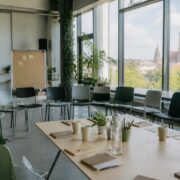
The meeting on national biodiversity information infrastructure and data mobilisation brings together policymakers, research institutions, museums, biodiversity data holders and international experts at the National Visitors Centre of Protected Areas. According to the event organisers, the discussions will examine the role of biodiversity data in policy and decision-making, opportunities for stronger national coordination and the possible benefits of closer participation in the Global Biodiversity Information Facility, or GBIF.
The event is taking place as Lithuania works to strengthen the systems behind biodiversity monitoring. Its focus is not a new nature reserve or a single species survey, but the less visible infrastructure needed to connect observations, collections and research results.
From collections to usable evidence
Biodiversity information is held in many forms. It can include museum specimens, field observations, scientific datasets, monitoring results and records collected by specialists or members of the public. When those materials remain in separate systems, it becomes harder to compare information, identify gaps or provide timely evidence for conservation planning.
A GBIF-supported capacity-building project describes fragmentation among Lithuanian institutions as a barrier to the wider use of biodiversity information. The project is working with Vilnius University’s Life Sciences Center, the Nature Research Center in Vilnius and the Kaunas Tadas Ivanauskas Museum of Zoology. Its activities include training in data accessibility, database management, integration, publishing and analytical skills.
The project’s longer-term objective is to help develop a centralised biodiversity data resource and a trained network of institutions. It also aims to align Lithuanian data practices with international standards, so that records can be discovered, checked and reused across systems rather than remaining locked inside individual organisations.
A two-day conversation
The October 20 meeting follows an open seminar held in Vilnius on October 19. That seminar considered how publishing biodiversity data through GBIF can support research, collaboration, environmental monitoring and decision-making. Its conclusions are intended to inform the high-level meeting.
Together, the two events give the Lithuanian discussion a deliberately practical shape. The emphasis is on what institutions need in order to share reliable information: common standards, clearer responsibilities, technical skills and sustained cooperation between data holders.
That approach matters because open data is useful only when it is sufficiently documented and consistent. A record of a species occurrence, for example, becomes more valuable when users can understand where and when it was collected, who identified it, what method was used and whether the information has passed basic quality checks.
Why the issue matters for nature policy
Better-connected biodiversity data can support a range of decisions, from habitat management and protected-area planning to research priorities and environmental assessments. It can also help reveal where information is strong and where additional monitoring is needed.
GBIF’s 2026 country report for Lithuania records contributions from Lithuanian institutions to the international network, while also showing that the country’s participation remains part of a developing data landscape. The current capacity-building project is therefore being presented as groundwork: it is intended to improve national capability and lay the basis for possible future formal participation by Lithuania.
No final institutional decision is announced in the meeting description. The immediate development is the creation of a forum in which Lithuania’s main biodiversity-data communities can compare needs and identify next steps. That makes the event a constructive, if early, stage in building an evidence base for conservation.
For the public, the subject may sound technical. Its consequences are more tangible. The quality and accessibility of ecological information influence how authorities understand landscapes, how researchers track change and how conservation measures are designed. In that sense, the Vilnius meeting is about turning knowledge already held across Lithuania into a more usable public resource.












Comments