 By
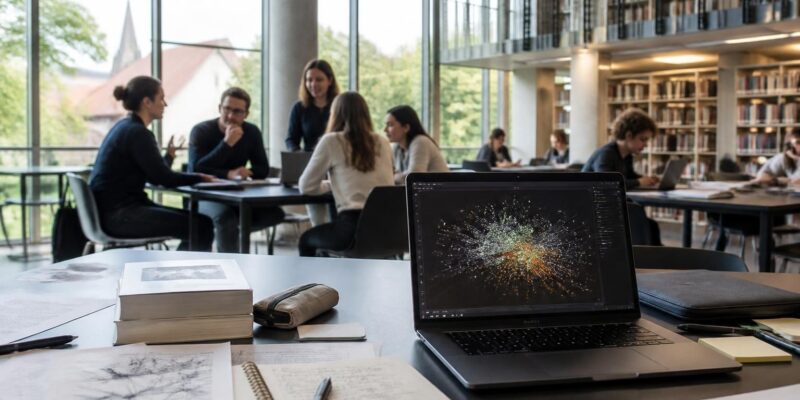
Kaunas University of Technology is marking International Open Access Week with a programme that links scholarly communication to a wider question: how can research become more open, useful and participatory? The university’s library announced a series of events running from 20 to 23 October, with citizen science placed among the week’s central themes.
The programme is taking place at a time when universities are looking beyond the traditional model in which research is produced by specialists and then communicated mainly through academic journals. At KTU, the discussion includes researcher visibility, research data management, publication choices and the practical ways in which communities can participate in research.
A dedicated online session on 21 October, titled “Citizen Science: Fostering Public Engagement in Research”, is presenting examples from KTU projects and introducing the work of the university’s Citizen Science Center. The session is designed for people interested in open science, public participation and stronger links between research and society. It is being held in Lithuanian through Microsoft Teams. ([library.ktu.edu](https://library.ktu.edu/news/citizen-science-fostering-public-engagement-in-research/?utm_source=openai))
From open publications to open participation
Open access is often associated with making research papers available without paywalls. KTU’s programme presents a broader interpretation. It also addresses how researchers can make their work more visible, how research data can be managed responsibly and how findings can be shared in ways that are understandable and useful beyond the university.
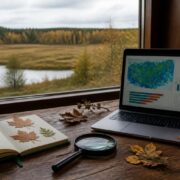
Citizen science extends that approach by involving members of the public in parts of the research process. Depending on the project, participants may help gather observations, classify information, document local conditions or contribute ideas to research design. The value is not limited to the data collected. Public involvement can also help researchers identify questions that matter in everyday life and make scientific work more connected to local experience.
According to the KTU announcement, representatives of the Citizen Science Center are discussing the support and infrastructure available to researchers who want to develop participatory projects. That makes the initiative more than a public lecture: it is also an institutional conversation about the conditions needed to conduct citizen science well.
A practical week for researchers and students
The wider Open Access Week programme is aimed at researchers, academic staff, doctoral candidates and students. It includes sessions on researcher identifiers, choosing an appropriate journal, research ethics and introductory principles of open science. The schedule combines practical guidance with broader reflection on what it costs to create, publish, preserve and disseminate knowledge.
KTU Library says this year’s international theme, “The Cost of Knowledge”, is intended to encourage discussion about the financial, human and environmental dimensions of scholarly communication. The theme also raises a question of access: how can research systems remain sustainable while ensuring that knowledge is available to people who are not part of a university or research institute?
For early-career researchers, these issues have a direct professional dimension. Understanding publication models, persistent researcher identifiers and responsible data management can affect how work is found, evaluated and reused. For the public, more open research can make it easier to follow local scientific activity and participate in projects with a clear social purpose.
Building trust through shared work
Citizen science does not remove the need for expert standards. Projects still require clear research questions, appropriate methods, careful data handling and transparent explanations of how contributions will be used. The KTU programme’s emphasis on support services and research infrastructure reflects that need for organisation and accountability.
At the same time, public participation can broaden the university’s view of who belongs in the research conversation. Schools, community groups, civic organisations and interested individuals may bring knowledge of places and problems that are difficult to capture through conventional academic channels alone.
That combination of openness and structure is the constructive message of KTU’s week: research can become more accessible without becoming less rigorous. By connecting library services, academic training and citizen participation, the university is presenting open science as a working practice rather than a slogan.
The events continue through 23 October. Alongside the public-engagement session, participants can attend training on scholarly publishing, research ethics and the foundations of open science. KTU’s approach gives the week a local focus while placing Kaunas within a wider international discussion about how universities share knowledge and work with society.












Comments