 By
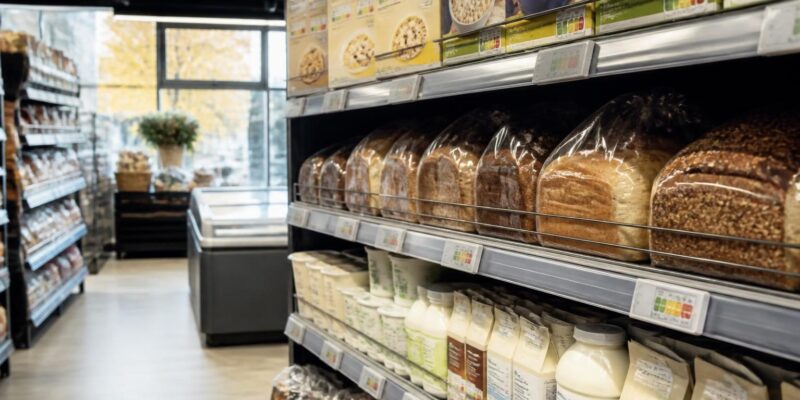
Estonia has taken a further step towards allowing Nutri-Score labels on food packaging, opening a new phase in a discussion about how shoppers understand nutritional information. A draft regulation has been sent for consultation to interested organisations, businesses and ministries. The proposed use of the label would be voluntary and would require national approval.
The development, reported by Estonia’s public broadcaster ERR on October 19, does not mean that Nutri-Score will immediately appear on all food products. Instead, the proposed legal framework would give Estonian manufacturers and retailers the option of using the system if they choose to do so. ([err.ee](https://www.err.ee/1610170567/tootjad-on-toidu-tervislikkuse-varvilise-tahega-tahistamise-suhtes-torksad))
How the system works
Nutri-Score is a front-of-pack label that summarises a product’s overall nutritional composition with a five-step scale from dark green A to dark orange E. The calculation is made per 100 grams or 100 millilitres, allowing shoppers to compare products on a common basis.
The formula gives positive weight to elements such as protein, fibre and the presence of fruit and vegetables. Energy, sugars, salt and saturated fat count in the opposite direction. In the drinks category, certain sweeteners are also included in the calculation. Estonia’s Ministry of Regional Affairs and Agriculture stresses that the label is intended primarily for comparisons between similar foods: bread with bread, cereal with cereal or yoghurt with yoghurt, rather than between unrelated products such as bread and cooking oil. ([agri.ee](https://www.agri.ee/toiduohutus-taime-ja-loomatervis/toiduohutus/nutri-score))
That distinction is important because the system is not designed to decide whether a person’s entire diet is healthy. It is a quick comparison tool for the supermarket shelf. The ministry’s own explanation says Nutri-Score cannot solve nutritional problems by itself, but may make complex information easier to understand and support more informed choices.
Why Estonia is considering the label
Estonia already requires nutrition information on food packaging, but the data can be difficult to interpret when consumers are comparing several products in a short time. The ministry says a national framework would allow Estonian producers to provide an additional, standardised summary alongside the information that is already mandatory.
The ministry has been examining front-of-pack labelling since 2025. Its work has included a review of recent research comparing different systems, as well as studies of how Nutri-Score corresponds with Estonian dietary recommendations and what economic effects voluntary use could have. Nutri-Score is already used in Belgium, France, Germany, Luxembourg, the Netherlands, Spain and Switzerland. ([agri.ee](https://www.agri.ee/toiduohutus-taime-ja-loomatervis/toiduohutus/nutri-score))
The proposal also reflects a broader practical question for Estonian companies selling into European markets. Some products imported from countries using Nutri-Score already carry the label in Estonian shops. A domestic framework could make it easier for local producers to use the same system when targeting consumers at home or exporting to markets where the marking is familiar.
Support and reservations from producers
The consultation is taking place because the system has both supporters and critics. Some producers see value in a common and transparent scale. ERR quoted Leiburi Baltikum production director Anni Talts as saying that a recognised label could help Estonian brands compete in markets where consumers already understand Nutri-Score.
Other food companies argue that a single letter and colour can make nutritional questions look simpler than they are. Producers point out that the score is calculated per 100 grams or 100 millilitres and does not describe portion size, eating frequency, preparation methods or the complete balance of a person’s diet. Certain foods with valuable nutrients may receive a less favourable score because of their salt, sugar, fat or energy content.
Those reservations do not automatically block the proposal. The agriculture ministry says it is considering public-health goals, stakeholder views and possible economic effects. It also makes clear that the state is not planning to make the label compulsory. The practical issue is whether voluntary adoption could nevertheless become commercially influential if retailers, consumers or export markets begin to expect it. ([err.ee](https://www.err.ee/1610170567/tootjad-on-toidu-tervislikkuse-varvilise-tahega-tahistamise-suhtes-torksad))
What shoppers should understand
If the regulation is approved, Nutri-Score would sit alongside Estonia’s existing food information rather than replace it. Consumers would still need to read ingredients, allergy information, expiry dates and the full nutrition declaration. Estonian food authorities say voluntary information must be clear, unambiguous, scientifically supported where necessary and not misleading.
For shoppers, the most useful approach would be to treat the label as a first filter rather than a final verdict. A comparison within one product group may help identify options with less sugar, salt or saturated fat. The label cannot, on its own, determine what belongs in a balanced diet or account for individual nutritional needs.
The next stage is consultation and assessment. Estonia’s current proposal is therefore less a sudden change in the supermarket aisle than an attempt to create a common language for nutritional comparison—one that companies may use voluntarily and consumers may learn to interpret alongside the more detailed information already available.





















Comments