

 By
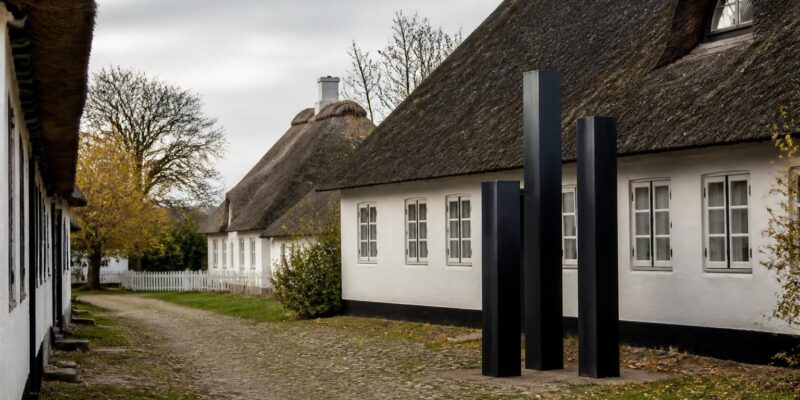
The third Fanø Biennale is entering its final week on Denmark’s Wadden Sea island, offering visitors an art experience spread across the historic village of Sønderho rather than concentrated in a single gallery. The programme continues through Sunday, October 25, with exhibitions, sound works, film, readings and workshops in small venues and local meeting places.
The biennale opened on September 25 and has made contemporary art part of the island’s existing cultural landscape. Its organisers describe the project as rooted in Sønderho’s artistic community, using the village’s buildings, streets and communal spaces as places for encounters with new work. The format gives the event a distinctly local character while allowing visitors to move between different forms of artistic practice.
A village-wide exhibition
According to the official programme, the 2026 edition brings together installations, film, sound art, literature, live performance and activities for younger audiences. Participating artists include Morten Goll, Kah Bee Chow, Daniella Florez, Lasse Toft Eriksen, Szabolcs Fabian, Deniz Kiy and Pernille Abd el Dayem.
The programme is varied in both tone and setting. Visitors may encounter visual art in intimate interiors, listen to readings or sound works, attend discussions and workshops, or experience live music and opera in local venues. Rather than treating the village as a neutral backdrop, the biennale uses Sønderho’s scale and architecture as part of the way the work is presented.
Art reaches the ferry
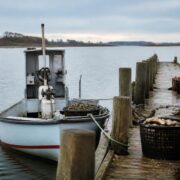
One of the notable additions in 2026 is a new exhibition space aboard the Fanø ferry Grotte. The ferry connects the island with the mainland, giving the biennale a moving and transitional setting as well as extending its geographical reach beyond Sønderho itself.
The ferry project links the practical journey to and from Fanø with the cultural experience of arriving on the island. It also reflects the biennale’s broader approach: contemporary art is not limited to purpose-built cultural institutions but can appear in places associated with travel, everyday life and local identity.
Danish regional tourism information describes the 2026 edition as the third return of the event and confirms that the programme is free to visit. The listings also show the biennale’s final-week schedule running from Wednesday, October 21, through Sunday, October 25, generally from 10am to 4pm.
A cultural event shaped by place
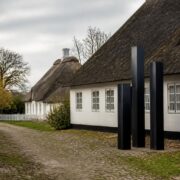
Fanø’s location in the Wadden Sea gives the biennale a setting where landscape, maritime connections and built heritage are closely linked. Sønderho is known for its preserved village environment, and the event’s distributed format encourages visitors to experience the settlement on foot while moving between artistic venues.
This makes the biennale relevant beyond the conventional art-festival audience. The programme combines established contemporary-art formats with accessible elements such as readings, workshops and activities for young people. The result is a cultural event that can be approached as an exhibition, a village walk, a literary programme or a weekend trip.
The organisers have curated the event with Marie Vedel, working with Jens Kæmpe and Sissel Holse. Their stated aim is to connect artistic activity with Fanø’s own creative environment, while bringing artists and audiences into contact with the island’s historic spaces and local networks.
The final weekend
With the biennale closing on October 25, the remaining days provide the final opportunity to see the full 2026 programme, including the new ferry-based presentation. Visitors should check the organisers’ programme before travelling, as individual performances, readings and workshops may have separate times or locations.
For Fanø, the biennale is also a constructive example of how a small destination can broaden its cultural offer without abandoning its character. Instead of building a temporary festival landscape from scratch, the event works with what is already present: a historic village, community venues, ferry connections and an established relationship with the surrounding landscape.










Comments