

 By
By 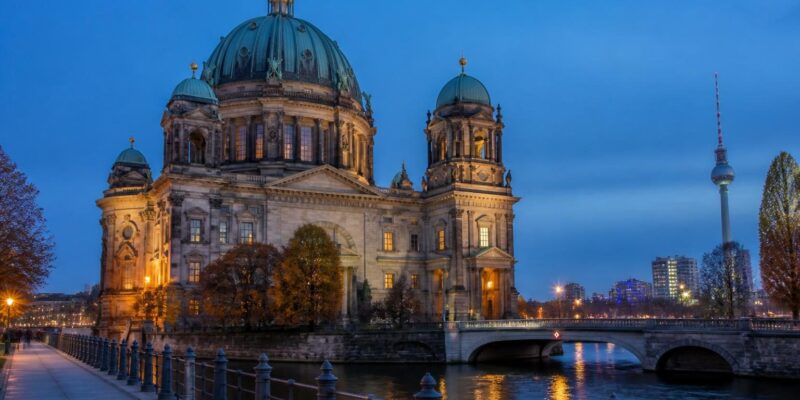
Berlin is preparing for one of its most recognisable autumn tourism events: the 22nd Festival of Lights, which runs from Friday, October 9, through Sunday, October 18, 2026. The announcement, updated by Berlin’s official events service on October 8, gives visitors a clear ten-night window to explore the capital after dark, with many installations scheduled to be visible from 7 p.m. to 11 p.m. daily. ([berlin.de](https://www.berlin.de/events/2097286-2229501-festival-of-lights.html?utm_source=openai))
The festival will bring light and video projections to buildings, monuments, squares and public spaces across Berlin. Its 2026 motto is “Colours of Love”, a theme presented by the organisers as a visual invitation to consider connection, respect and shared urban life. For travellers, the event offers an evening route through familiar landmarks while also directing attention to districts beyond the traditional central sightseeing circuit. ([about.visitberlin.de](https://about.visitberlin.de/en/press/press-releases/ten-nights-40-venues-millions-visitors-berlin-lights-up-again?utm_source=openai))
A ten-night programme across the capital
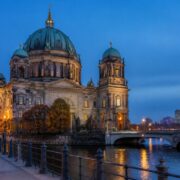
The citywide character is central to the festival’s appeal. Official listings point visitors towards established viewing areas such as Bebelplatz and Potsdamer Platz, while the wider programme includes locations ranging from the Brandenburg Gate and Berlin Cathedral to the Fernsehturm, Gendarmenmarkt, Oberbaum Bridge, Nikolaiviertel, Tempelhofer Feld’s THF Tower and the Olympic Stadium. The exact presentation differs by site, so visitors are encouraged to check the daily programme and location map before setting out. ([berlin.de](https://www.berlin.de/en/events/2097286-2842498-festival-of-lights.en.html?utm_source=openai))
For Berlin, the festival is also a way of turning the city’s architectural variety into a temporary open-air gallery. Historic façades, modern commercial districts, religious buildings and transport-related landmarks become points on an informal walking, cycling or public-transport itinerary. This makes the event suitable not only for dedicated light-art audiences but also for visitors looking for a flexible evening activity between museums, restaurants and neighbourhood walks.
New focus on the interior of Berlin Cathedral
One of the main additions for 2026 is “Beyond the Light”, a format at Berlin Cathedral running from October 9 to 11. According to the official city listing, the centrepiece is a 30-minute 3D video presentation inside the cathedral, accompanied by music and designed to make the building’s interior part of the experience rather than merely a backdrop. Evening access to the cathedral is included in the format, with tickets required for the scheduled presentations. ([berlin.de](https://www.berlin.de/en/events/2097286-2842498-festival-of-lights.en.html?utm_source=openai))
The cathedral will also host “Festival of Lights in Concert” later in the programme. The announced line-up includes electronic and ambient artists, with music and projected light combined inside the historic building. The arrangement reflects a broader trend in cultural tourism: using landmark interiors for carefully staged experiences while encouraging visitors to stay in a district longer rather than moving immediately between isolated attractions. ([berlin.de](https://www.berlin.de/en/events/2097286-2842498-festival-of-lights.en.html?utm_source=openai))
Light art meets Berlin’s club culture
Another new element is the Festival of Lights Club Nights, which extend the programme into selected nightlife venues. VisitBerlin lists events at Maaya, M-Bia and PKH Warehouse, with the opening night scheduled for October 9 at PKH Warehouse. The concept combines projections, electronic music and club culture, offering a late-evening option after the public installations begin to dim. ([visitberlin.de](https://www.visitberlin.de/en/event/festival-lights-club-nights?utm_source=openai))
The club programme is particularly relevant to Berlin’s visitor economy because it links a major cultural event with a sector that is often experienced separately by tourists. Rather than presenting light art as a stand-alone spectacle, the new format encourages visitors to move between public spaces, cultural venues and nightlife settings. It also broadens the festival’s appeal beyond conventional sightseeing groups.
Planning a visit
Most of the outdoor illuminations are free to view, although specific indoor presentations, concerts and stadium events require tickets. The official city guide recommends checking the festival’s current programme because participating locations and schedules can change. Visitors should also allow time between sites: Berlin’s installations are spread across a large urban area, and a route combining two or three districts may be more realistic than trying to see everything in one evening. ([berlin.de](https://www.berlin.de/en/events/2097286-2842498-festival-of-lights.en.html?utm_source=openai))
Guided bus tours, boat trips and other lightseeing formats are being marketed through Berlin’s tourism infrastructure. These options may suit first-time visitors who want an overview without planning their own route, while residents and repeat travellers can use the programme to explore less familiar areas such as Lichtenberg. The district has confirmed a public installation in Rathauspark on the opening night, from 7 p.m. to 11 p.m. ([berlin.de](https://www.berlin.de/ba-lichtenberg/aktuelles/pressemitteilungen/2026/pressemitteilung.1718432.php?utm_source=openai))
Berlin’s Festival of Lights is therefore both a cultural programme and a practical autumn travel proposition. Its temporary installations create a reason to visit after the main summer season, while the distribution of venues supports longer evening itineraries across the capital. For travellers arriving in Berlin this week, the first illuminations begin on October 9 and continue through October 18.

















Comments