

 By
By 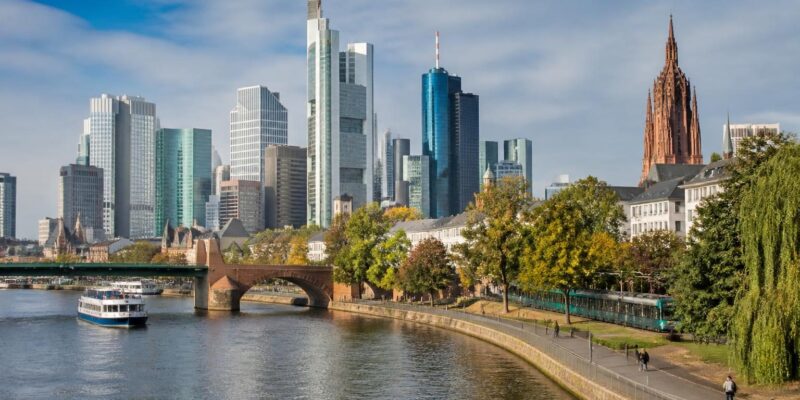
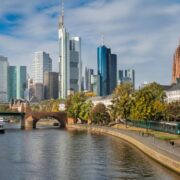
Germany’s tourism sector is gathering in Frankfurt on Wednesday, 23 September 2026, for a conference focused on how sustainability can be made more practical for destinations, hotels, attractions and visitors. The fifth Sustainable Tourism Day is organised by the German National Tourist Board, known in Germany as the Deutsche Zentrale für Tourismus or DZT.
The event is a timely development for travel professionals rather than a public festival. Its importance lies in the way it connects several issues that increasingly shape the visitor experience: how travellers move around destinations, how businesses communicate environmental claims, how communities prepare for climate-related risks and how tourism regions can remain economically viable while reducing pressure on nature and local infrastructure.
From broad promises to usable information
One of the programme’s central themes is sustainability communication. The organisers are discussing how tourism companies and destinations can prepare for the European Union’s EmpCo rules, which introduce clearer requirements for environmental claims made to consumers. For travellers, the practical consequence should be easier-to-understand information about what a hotel, tour, attraction or destination is actually doing.
That matters because sustainability labels and promotional language are now common across the travel market, but they do not always explain what changes in practice. A clearer framework can help visitors compare offers more confidently while encouraging businesses to support claims with measurable actions rather than general wording.
The Frankfurt programme also includes contributions from FAIRWEG, a company working on sustainability communication, and representatives of the tourism sector. The emphasis is not on presenting one universal model for every destination. Instead, the event is designed to examine how different regions and businesses can develop approaches suited to their own circumstances.
Mobility and destination incentives
Transport is another major part of the day. A session on sustainable mobility is being presented by Tourism NRW, the tourism organisation for North Rhine-Westphalia. The subject is especially relevant in Germany, where many visitors combine rail travel with local buses, trams, cycling, walking or car rental.
The programme also examines DestinationPay, an initiative intended to reward more sustainable visitor behaviour. Representatives from Berlin’s tourism organisation and Bremen’s economic development agency are due to discuss early experiences with the concept. In principle, such schemes can link visitor benefits with choices such as public transport, longer stays, off-season travel or participation in locally useful activities.
For destinations, the attraction is twofold. Incentives may help spread visitor demand across different places and periods, while also giving tourism offices a way to connect marketing with local climate and mobility goals. Whether such models work depends on their design, the quality of the underlying data and the availability of realistic alternatives for visitors.
Preparing tourism regions for a changing climate
Climate adaptation is addressed through sessions on risk analysis and resilience management for municipalities and tourism businesses. The focus is on how communities can understand their exposure to climate-related disruption and prepare responses before problems affect residents, visitors or local companies.
This approach is relevant beyond Germany. Tourism destinations often depend on interconnected systems: transport, accommodation, public spaces, water management, cultural venues and outdoor attractions. A disruption in one area can affect the rest of the visitor economy. Planning for resilience therefore involves not only emergency response but also investment decisions, communication and cooperation between public authorities and businesses.
The programme includes a contribution from Risklayer on integrated resilience management, while representatives from the Kreis Lippe region are scheduled to discuss sustainability as part of destination development. The event also looks at the future of hotels, treating accommodation increasingly as part of a wider service ecosystem rather than as an isolated place to sleep.
A working meeting for Germany’s destinations
The DZT describes the Sustainable Tourism Day as a platform for exchange between tourism, business, science and politics. The agenda includes examples from leisure parks, destinations and municipalities, as well as a presentation on the national competition for sustainable tourism destinations.
That mixture gives the event a practical character. Instead of focusing only on long-term targets, the discussion is built around communication rules, mobility, visitor incentives, climate risk, hospitality and destination management. These are areas where policy decisions can quickly influence how a trip is planned and experienced.
The conference is also part of a broader professional calendar for German tourism. Tourism NRW and other sector organisations list the Frankfurt meeting among the country’s current industry events, confirming its place within the national travel sector rather than as a standalone corporate gathering.
For travellers, the immediate result will not be a new attraction or route opening on 23 September. The significance is more gradual: decisions made in meetings like this can shape the information visitors receive, the transport choices available to them and the way German destinations manage growth and climate pressures. In that sense, Frankfurt is hosting a working session about the infrastructure and standards of future travel.















Comments