 By
By 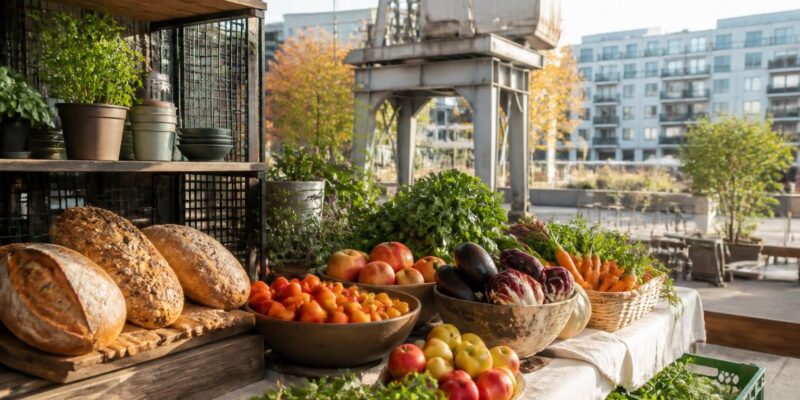
Berlin is preparing for another week in which food is treated not only as a pleasure, but also as a subject for experimentation, conversation and everyday decision-making. Berlin Food Week 2026 will take place from 5 to 11 October at venues across the German capital, with this year’s programme centred on “Longevity” and the relationship between nutrition and a long, healthy life. The organisers describe the festival as a meeting point for chefs, producers, start-ups, restaurants and an interested public.
The event is a constructive example of how a major city can use food culture to connect lifestyle questions with practical innovation. Rather than concentrating on a single cuisine or one large outdoor gathering, Berlin Food Week spreads its programme across restaurants, professional events, tastings, workshops and public-facing showcases. Berlin’s official tourism platform presents the festival as a testing ground for culinary traditions, new products and future-oriented food concepts. ([visitberlin.de](https://www.visitberlin.de/en/event/berlin-food-week-2026?utm_source=openai))
Longevity becomes the programme’s central question
The 2026 focus asks what a healthier and more sustainable food culture could look like in practice. That question covers more than individual diets. It also touches on how ingredients are sourced, how products are made, how much food is wasted and how culinary pleasure can be combined with lower environmental impact.
The festival’s official programme lists the Berlin Food Night as its opening professional event, followed by the House of Food marketplace and a series of culinary encounters. Among the announced programme points are a vegetarian menu at GOLVET, a tasting menu by The Dufte Berlin and a bar event at Vom Einfachen das Gute. These formats give the week a mixture of professional discussion, restaurant culture and direct public participation. ([berlinfoodweek.de](https://www.berlinfoodweek.de/festival/?utm_source=openai))
House of Food returns to Bikini Berlin
The most accessible part of the festival will be the House of Food at Bikini Berlin on 9 and 10 October. According to the organisers, visitors will be able to meet innovative start-ups, specialist producers and established brands, sample products and buy selected goods directly. The marketplace is designed as a discovery space rather than a conventional trade fair, with personal contact between producers and visitors at its centre.
The exhibitor categories point to several of the themes shaping contemporary food culture: fermentation and plant-based alternatives, functional and personalised health products, regionality and biodiversity, food-waste reduction, upcycling, snacks and non-alcoholic drinks. That range reflects a food sector increasingly interested in both pleasure and practical adaptation. The House of Food page also highlights show cooking, tastings and opportunities to speak directly with the people behind the products. ([berlinfoodweek.de](https://www.berlinfoodweek.de/festival/house-of-food/?utm_source=openai))
A new place for alcohol-free enjoyment
Another notable addition is the OkSoberfest, a three-day festival dedicated to non-alcoholic enjoyment at the Kulturbrauerei. Berlin Food Week and visitBerlin describe the format as a programme of tastings, shows and masterclasses focused on alcohol-free beers and other drinks.
The concept fits a broader shift in hospitality: visitors can still take part in a social and festive occasion without making alcohol the centre of the experience. By placing the event within a food festival, the organisers also connect drinks innovation with cooking, restaurant culture and changing consumer habits. It is a lifestyle development rather than a moral campaign, offering more choice for people who want to reduce or avoid alcohol while remaining part of the communal experience. ([visitberlin.de](https://www.visitberlin.de/en/event/berlin-food-week-2026?utm_source=openai))
From trend showcase to public conversation
Berlin Food Week has been held regularly since 2014 and has grown into one of the city’s established culinary events. Berlin.de describes the festival as a platform for professional chefs, home cooks and food enthusiasts, with themes including regional and international cuisine, nutritional awareness, sustainability and consumption.
That combination gives the 2026 edition relevance beyond the restaurant sector. Food choices are part of daily life, and the festival’s format allows visitors to encounter ideas in a relatively informal way: through a tasting, a workshop, a conversation with a producer or a meal prepared by a chef. It also provides a stage for smaller businesses and food entrepreneurs seeking contact with a wider audience.
For Berlin, the timing is fitting. The programme arrives in early October, when the city’s restaurants, markets and cultural venues turn towards the autumn season. The festival’s emphasis on longevity, resource-conscious products, plant-based innovation and alcohol-free options gives the capital’s food scene a forward-looking theme without abandoning the basic appeal of eating together.
What visitors can expect
Events will take place at different locations and may have separate admission arrangements. The House of Food at Bikini Berlin is scheduled for Friday and Saturday, 9 and 10 October, while the wider programme runs through Sunday, 11 October. Visitors are advised to check individual event details, opening hours and accessibility information before attending.
Berlin Food Week 2026 therefore offers two complementary experiences: a public festival for discovering new flavours and products, and a broader discussion about how food can support healthier, more sustainable and more enjoyable urban living.















Comments