 By
By 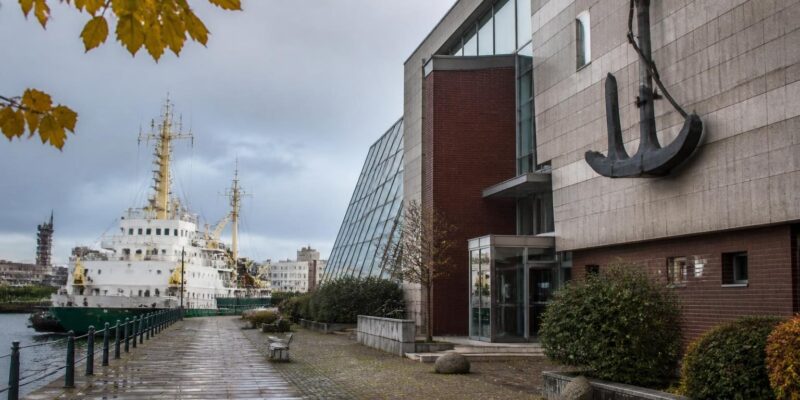
The Museum of the World Ocean in Kaliningrad has opened a new cycle of its inclusive cultural programme “Ships for Unique People”. The season began on 7 October 2026 with the museum event “Hello, Museum!”, according to a post-release published by the institution.
The programme is designed to make the museum’s maritime collections more accessible to children with disabilities. Rather than treating access as a single technical issue, the initiative combines adapted museum routes with educational sessions, concerts and meetings with invited guests. Its central subject is the natural world, especially the ocean and the relationship between people and the marine environment.
A museum visit built around participation
The new cycle gives the museum an opportunity to present its ships, exhibitions and waterfront spaces through formats that can be adjusted to different visitors. The regional tourism information centre describes “Ships for Unique People” as a programme that supports children’s broader understanding of the world, encourages creative development and helps them participate more fully in social life.
That approach places the visitor’s experience at the centre of the activity. A museum visit can include more than looking at displays: it can involve handling ideas, asking questions, listening to music, meeting other people and discovering a subject through several senses. For a maritime museum, the ocean provides a particularly wide field for this kind of work, linking science, history, technology, travel and environmental awareness.
Access across the museum complex
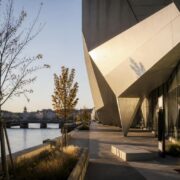
The Museum of the World Ocean’s accessibility information lists a ramp at the main building, an accessible entrance and adapted facilities in the “Water Cube” pavilion. The museum also has a special lift for boarding the research vessel Vityaz, wheelchairs for visitors and a version of its website for people with visual impairments.
The tourism centre notes that the programme is intended for children with different access needs, including visitors with visual or hearing impairments, people who use wheelchairs, people with mobility limitations and people with intellectual disabilities. It also says that museum workshops are accessible to visitors with disabilities, while some ship interiors may require separate arrangements or assistance.
This distinction is important in a complex made up of several buildings, ships and outdoor areas. Accessibility can vary from one object to another, especially in historic or floating structures. Clear information about ramps, lifts, routes and support helps families plan a visit realistically and allows museum staff to prepare suitable formats.
Why the initiative matters for Kaliningrad
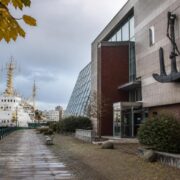
Kaliningrad’s museum landscape is closely connected with the city’s waterfront. The Museum of the World Ocean brings together exhibition halls, historic vessels, educational spaces and a working cultural environment on the Pregolya River. Its collections cover oceanography, navigation, shipbuilding, fishing, communications and the history of exploration.
For families, an inclusive programme can turn that large and sometimes technically demanding environment into a more approachable cultural destination. It can also create a regular point of contact between the museum and local schools, social organisations and families who may not otherwise visit maritime institutions frequently.
The initiative is not presented as a one-off awareness event. The museum’s annual programme lists further activities connected with “Ships for Unique People”, including creative and musical projects for visitors with disabilities later in the year. That continuity matters: repeated visits allow participants to build familiarity with the museum, its staff and its collections.
From adapted access to cultural belonging
Inclusive museum work is often measured first through physical access, but its longer-term value is cultural. When visitors can return, recognise spaces and take part in activities alongside other members of the public, the museum becomes more than a place to see objects. It becomes part of everyday community life.
The October launch also fits the museum’s wider educational role. Its programme includes lectures, family activities and science-oriented events, offering several ways to approach the ocean and the history of research. “Ships for Unique People” adds another important dimension: the chance to experience those subjects through carefully adapted participation rather than through distance or passive observation.
Details about future sessions, registration and access arrangements are available from the Museum of the World Ocean. Families are advised to check the conditions for individual museum objects in advance, particularly when a visit includes historic vessels.











Comments