

 By
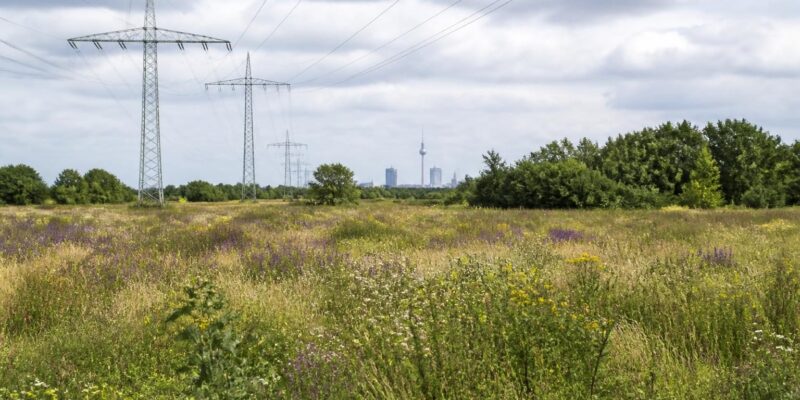
A three-day environmental conference in Berlin is concluding on Thursday, November 5, with a field excursion examining how renewable-energy infrastructure can be developed alongside stronger protection for ecosystems and species.
Wingspan 2026 has brought conservationists, scientists, electricity-grid operators, renewable-energy developers and public-sector representatives together under the theme “From Partnerships to Practice: Accelerating Nature-Positive Energy Infrastructure”. The conference began on November 3 at Atelier Gardens in Berlin and combines technical discussion with examples of measures intended to reduce the ecological impact of energy projects.
Energy expansion and nature protection in one debate
The central premise of the meeting is that the expansion of renewable energy and the protection of biodiversity should not be treated as entirely separate policy tracks. Electricity networks and wind-energy sites require land, construction and long-term maintenance, while birds, bats and other species may be affected by the placement and operation of infrastructure.
Rather than presenting the issue as a choice between climate action and conservation, the organisers describe the conference as a platform for identifying practical solutions that can serve both objectives. The programme includes panel discussions, scientific presentations, poster sessions, networking and a vendor fair featuring mitigation and nature-inclusive approaches.
The event is organised by the Renewables Grid Initiative and TB Raab GmbH. According to the European Climate, Infrastructure and Environment Executive Agency, the 2026 edition places particular emphasis on ecosystem and species conservation along electricity grids and in onshore wind energy.
From research to infrastructure decisions
One useful feature of the conference is its focus on implementation. Environmental goals are often established at the level of strategies and planning documents, but their success depends on decisions made during route selection, construction, operation and maintenance.
That makes cooperation between different professional groups especially important. Conservation specialists can identify sensitive habitats and species; scientists can assess the effectiveness of mitigation measures; grid operators and developers can explain technical and logistical constraints; and public authorities can connect individual projects with wider planning requirements.
The conference framework also includes work linked to the LIFE-funded projects LIFE SAFELINES4BIRDS, LIFE EUROKITE and LIFE EUROBUSTARD. Their involvement reflects the practical challenge of reducing risks to birds and other wildlife while electricity networks and renewable generation continue to expand.
A field excursion closes the programme
The final day, November 5, is dedicated to a field excursion near Berlin. The organisers say the visit will present best-practice approaches to nature protection in action. This format gives participants an opportunity to examine how ecological considerations can be incorporated into real landscapes rather than discussed only through presentations.
Field-based learning can be particularly valuable for infrastructure planning, because the effects of a project are shaped by local conditions. Landscape structure, seasonal wildlife movements, existing land use and maintenance practices can all influence whether a measure works as intended.
Why the discussion matters beyond Berlin
Germany is continuing to expand renewable-energy capacity and modernise its electricity network. That transition creates a long-term need for planning methods that are technically reliable while also attentive to landscapes and habitats.
The Wingspan conference does not announce a single new national policy or a new infrastructure project. Its significance lies instead in bringing several groups into the same professional conversation and in highlighting approaches that can be tested, evaluated and improved.
For cities, regions and network operators, that cooperation may help turn environmental protection from a late-stage constraint into an element of project design from the beginning. For conservation organisations, it creates a direct forum for discussing how ecological knowledge can influence infrastructure choices.
As the Berlin meeting ends, its most constructive message is straightforward: the energy transition will require more than new generation capacity. It will also require better coordination between climate objectives, biodiversity protection and the people responsible for building and managing the systems that connect them.
















Comments