 By
By 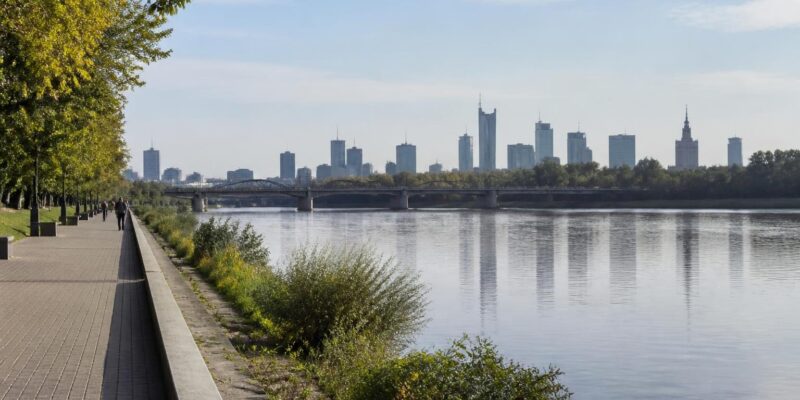
A new conversation about the Vistula
Warsaw is hosting the first international conference United by Rivers: Flow, Friction, Future on 3–4 September 2026, placing the future of urban rivers at the intersection of tourism, climate adaptation and everyday city life. The meeting is taking place at the Copernicus Science Centre and is organised as an EU Local Dialogue connected with the European Committee of the Regions.
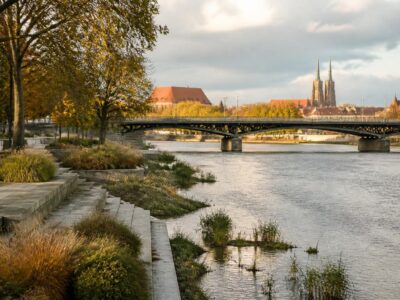
The event is timely for a capital whose river has become increasingly visible in its public life. Warsaw’s Vistula waterfront combines beaches, walking routes, natural habitats, cultural activity and seasonal recreation. The conference asks how such spaces can be developed without reducing the river to a backdrop for construction or commercial tourism.
According to the European Committee of the Regions, the programme brings together local authorities, experts, residents and river communities. Its central question is practical: how can cities balance environmental protection and climate resilience with urban development, public access, recreation and sustainable tourism? ([cor.europa.eu](https://www.cor.europa.eu/en/plenaries-events/united-rivers-flow-friction-future-conference))
From a Polish river network to an international exchange
The first day, held on Thursday, is dedicated to Polish cities along the Vistula. Sessions examine cooperation between municipalities, the promotion of Warsaw’s riverfront as a visitor attraction, and the possibility of creating a shared Vistula tourism product linking towns and cities along the river.
The agenda also looks beyond conventional destination marketing. A panel on the Vistula’s role in sport, recreation and tourism is followed by a discussion of traditional wooden boats, inland navigation heritage and the relationship between cultural preservation and future river use. These themes connect travel with local identity: visitors may arrive for a waterfront walk or boat trip, but the quality of the experience depends on the river’s ecological condition and the communities that live beside it.
The Warsaw Convention Bureau says the conference will include participants from Poland, Europe and other parts of the world. The second day features examples and perspectives from cities including Riga, Düsseldorf, Zaragoza, Turin, London, Paris, Chicago and Seoul. ([warsawconvention.pl](https://warsawconvention.pl/project/warsaw-to-host-a-debate-on-the-future-of-river-cities/))
Tourism as part of river management
Friday’s international session focuses on rivers as everyday urban spaces. Speakers are discussing how cities can respond to climate risks, social needs and development pressures while remaining accountable to residents. Other sessions address river restoration, renaturalisation, urban regeneration and the practical difficulties of turning river strategies into projects on the ground.
One of the day’s clearest links to travel is a dedicated panel on balancing river-tourism development with environmental sustainability. The discussion is expected to consider how visitor activity can strengthen local economies while preserving ecosystems and the quality of urban river landscapes. That approach is broader than simply adding attractions: it treats tourism as one element of a long-term public-space and environmental policy.
For Warsaw, the subject also reflects the city’s existing efforts to make the Vistula more accessible. The municipal tourism platform presents the river as a place for recreation, education, nature observation and cultural events, including activities around the Kamień Pavilion and the Vistula District. The emphasis is on varied, largely public-facing ways of experiencing the river rather than a single flagship attraction. ([go2warsaw.pl](https://go2warsaw.pl/en/drop-everything-and-head-to-the-vistula/?utm_source=openai))
A declaration for future cooperation
The conference is scheduled to conclude with the signing of the United by Rivers Declaration. Organisers describe the document as a foundation for future partnerships and joint initiatives among river cities. Its importance will depend on what follows, but the format gives the meeting a constructive outcome beyond two days of discussion.
For visitors, the immediate result is not a new transport route or a newly opened museum. Instead, Warsaw is presenting its river as a living urban system—one where recreation, heritage, biodiversity and tourism need to be planned together. That perspective may prove increasingly valuable for destinations across Europe, particularly as cities seek attractive public spaces while adapting to changing environmental conditions.
The conference therefore offers a useful model of destination development: start with the natural asset, involve the people who use it, and build tourism around the long-term health of the place. In Warsaw, that conversation is taking place beside one of Poland’s defining rivers.









Comments