 By
By 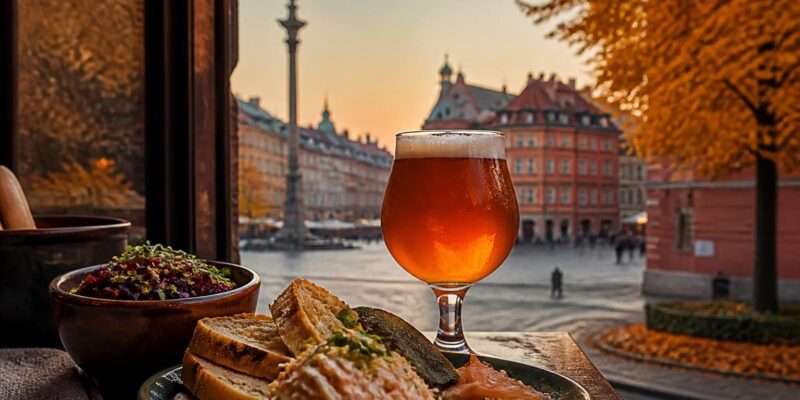
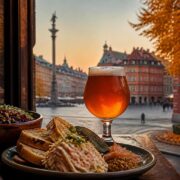
Warsaw is hosting the 22nd edition of the Warsaw Beer Festival from 15 to 17 October 2026, giving visitors a concentrated introduction to Poland’s independent brewing scene alongside food, music and practical tasting sessions. The event is taking place at the Legia Warsaw Municipal Stadium on Łazienkowska Street, close to the Vistula and several of the capital’s established visitor districts. ([warsawbeerfestival.com](https://warsawbeerfestival.com/?utm_source=openai))
For travellers, the festival offers a distinctly urban way to experience contemporary Polish food culture. Rather than being organised as a single tasting room, it brings together breweries, cider makers, mead producers, food vendors, brewers and specialist guides. The official programme lists hundreds of new and limited drinks, street-food stands, meetings with producers, workshops and live music. A substantial non-alcoholic beer selection is also advertised, broadening the event beyond conventional beer tourism. ([warsawbeerfestival.com](https://warsawbeerfestival.com/?utm_source=openai))
A national brewing scene in one Warsaw venue
The festival’s value for visitors lies partly in its variety. Poland’s craft-beer sector is difficult to understand through one regional product or style: breweries across the country work with different ingredients, brewing traditions and approaches to fermentation. Bringing them together in Warsaw allows visitors to compare those differences without travelling between multiple towns and taprooms.
The programme also places emphasis on explanation. Guided tours are designed to help first-time visitors navigate the festival, while tasting sessions and masterclasses focus on particular brewing traditions, ingredients and production methods. Sessions listed for 16 October include a masterclass devoted to Belgian lambic, as well as presentations involving brewers from Canada, Ireland and Sweden. These international contributions give the event a wider European dimension while keeping Warsaw as its meeting point. ([warsawbeerfestival.com](https://warsawbeerfestival.com/?utm_source=openai))
That combination is useful for visitors who may not identify as specialist beer enthusiasts. A guided introduction can turn a large festival into a manageable itinerary: begin with a selection of Polish producers, pause for food, attend one educational session and then explore the wider programme at a slower pace. The festival’s organisers also offer tours without tastings, making it possible to focus on the brewing landscape and venue rather than alcohol consumption.
Food, music and a flexible autumn itinerary
The event is open on Friday 16 October from 14:00 to midnight and on Saturday 17 October from 12:00 to midnight. Tickets are available for individual days as well as a three-day pass, giving visitors flexibility to fit the festival around museums, neighbourhood walks or other weekend plans in Warsaw. ([warsawbeerfestival.com](https://warsawbeerfestival.com/?utm_source=openai))
The surrounding area makes the festival relatively easy to combine with a broader city visit. Legia Stadium is south of Warsaw’s historic centre, within reach of the riverside, Łazienki Park and public transport connections. A visitor could therefore treat the festival as an evening food-and-culture stop rather than a stand-alone destination. The city’s official tourism calendar lists the event as part of Warsaw’s October programme. ([go2warsaw.pl](https://go2warsaw.pl/en/events/21-warszawski-festiwal-piwa-213-667/?utm_source=openai))
Street food is central to the format, with the organisers promising a range of vendors intended to complement the drinks programme. The result is closer to a temporary food district than a conventional trade fair: visitors can move between tastings, producer conversations, workshops and informal entertainment. Live performances and evening programming are scheduled across the three days, adding a social element without changing the event’s focus on craft production. ([warsawbeerfestival.com](https://warsawbeerfestival.com/?utm_source=openai))
Why the event matters for city travel
Warsaw’s festival calendar has increasingly made room for experiences built around local makers and specialised food culture. The beer festival fits that pattern by connecting a national network of small and independent producers with a large metropolitan audience. It also presents the capital as a gateway to Poland’s wider culinary geography: visitors can sample products from different parts of the country and use the event as a starting point for future regional trips.
Its timing is another advantage. Mid-October brings shorter days and cooler evenings, conditions that favour indoor cultural programmes while still allowing visitors to explore Warsaw during daylight. The festival’s stadium setting provides a practical, weather-resistant venue, while the timetable supports both short visits and a full weekend itinerary.
For anyone planning a visit on 16 or 17 October, the most useful approach is to check the current programme before arrival, reserve limited-capacity workshops where necessary and allow time for food and non-alcoholic options as well as tastings. The 22nd Warsaw Beer Festival is ultimately less about one drink than about meeting the people, techniques and local creativity behind Poland’s rapidly diversifying craft-food scene.















Comments