
 By
By 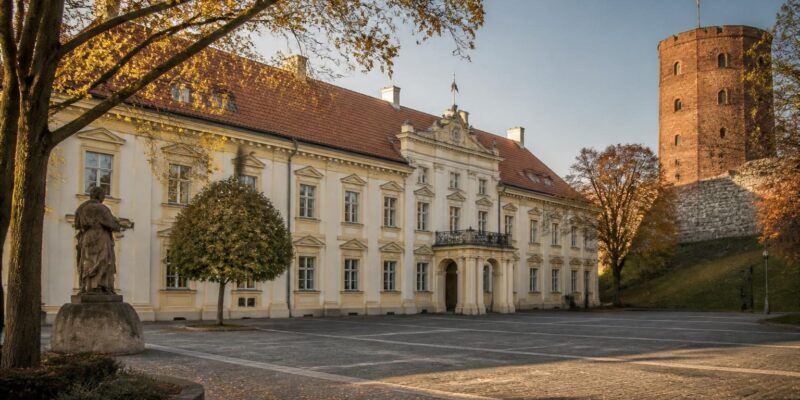
The National Museum of Lithuania is turning the last Sunday of September into a nationwide invitation to explore history and culture. On 27 September 2026, visitors will be admitted free of charge to the museum’s branches in Vilnius, Palanga, Ožkabaliai and Kudirkos Naumiestis, according to an announcement published on 25 September.
The initiative brings together a broad range of exhibitions rather than focusing on a single anniversary or collection. The programme moves from archaeology and the history of the Grand Duchy of Lithuania to high technology, book art, textile work and contemporary audiovisual installations. It also gives visitors a final opportunity to see several temporary exhibitions before they close.
A museum network rather than a single venue
In Vilnius, the museum’s House of Histories offers access to an ethnographic storage exhibition presenting objects connected with Lithuanian everyday life in earlier centuries. The same site is also showing “Trajectory of the Future: The History of Lithuania’s High-Tech Sector”, an exhibition that links scientific achievement with the country’s longer history. Its presentation includes themes ranging from biotechnology and lasers to space research, as well as an area devoted to Lithuanian video games.
At Gediminas Castle Tower, the new “Frequency of Freedom” exposition considers Lithuania’s recurring experiences of resistance, responsibility and collective action. The museum presents these subjects not simply as a chronological sequence, but as questions about how communities respond to historical change. From the hill, visitors can also see Davide Rivalta’s bronze sculpture “Wolf” and the city below.
Other Vilnius branches add different perspectives. The Castellan’s House presents “Understanding Lithuania”, a permanent exhibition organised around six themes, including creativity, beliefs, global connections and historical turning points. At the Old Arsenal, the archaeology exhibition “Reusable” examines how earlier communities repaired, adapted and repurposed objects—an approach that gives the idea of sustainability a long historical background.
Final chances for book and archaeology exhibitions
Sunday is also the closing day for “The Unknown Jonas Basanavičius: The Lithuanian Indiana Jones” at the House of Signatories. Created by archaeology master’s students from Vilnius University, the exhibition looks at Basanavičius not only as a national revival figure, but also as an archaeologist and anthropologist whose interests extended into the study of ancient burial sites.
At the Kazys Varnelis House-Museum, two book-related exhibitions are reaching their final day. “Book Dragon. A Fantastic Story About the Beauty of Books” introduces visitors to bookmaking through interactive elements, including a printing press. “Book Art: The Most Beautiful Books of Lithuania and the Czech Republic” brings together award-winning titles from recent Lithuanian and Czech competitions. The museum is also offering free guided tours devoted to the optical art of Kazys Varnelis, although advance registration is required.
The city’s official cultural-events calendar separately lists the two book exhibitions as running until 27 September, reinforcing the museum’s notice about the final opportunity to see them. The combination of free entry and closing-day programming gives the Sunday a practical appeal for both regular museum-goers and visitors who have not yet encountered the exhibitions.
Culture beyond the capital
The free-access programme extends beyond Vilnius. In Palanga, the Jonas Šliūpas Museum is presenting tapestries and paintings by Marija Švažienė, alongside a sensory exhibition about Lithuanian partisan history designed for both blind and sighted visitors. The display uses reconstructed objects that visitors can touch, try on or wear.
At the Jonas Basanavičius birthplace in Ožkabaliai, the museum is connecting biography and contemporary art. The audiovisual installation “Es humanus” combines textiles, moving projections and music, while other exhibitions examine Basanavičius as a cultural organiser, scholar and physician. Outdoor displays, a film pavilion and a playroom for younger visitors broaden the site beyond a conventional house museum.
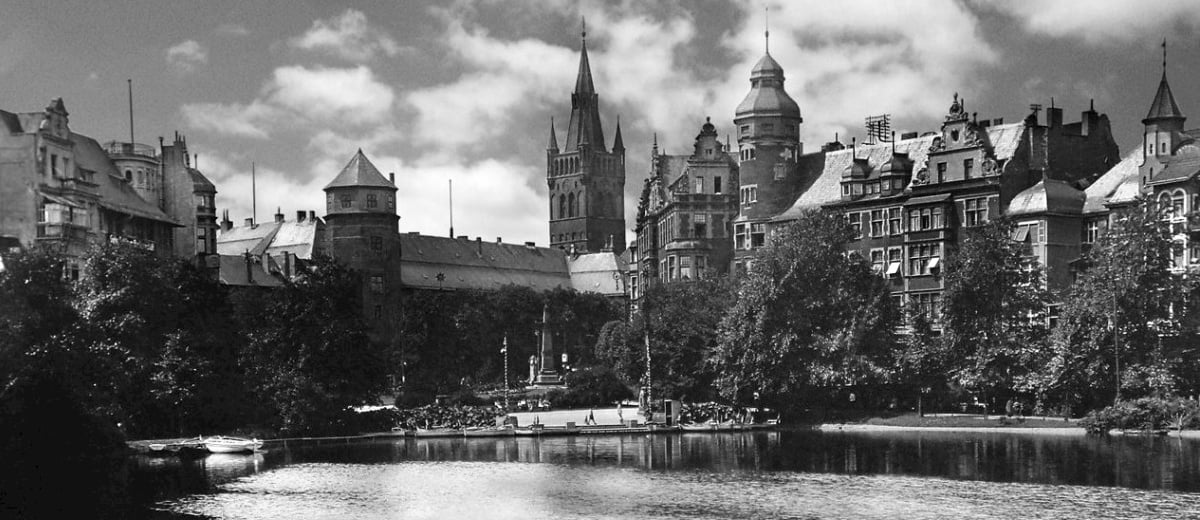
In Kudirkos Naumiestis, visitors can explore the vanished town of Schirwindt through household objects, tools and other historical materials. A guided town walk at 1 p.m. is intended to connect the exhibition with the local urban landscape, including interwar modernist architecture and the overlapping histories of two neighbouring towns.
By opening four locations without an admission fee, the National Museum of Lithuania is presenting culture as a network of places and experiences rather than a single central attraction. The Sunday programme combines permanent displays, temporary exhibitions, guided activities and family-oriented elements, offering a low-cost way to move between national history, local memory and contemporary artistic interpretation.









Comments