 By
By 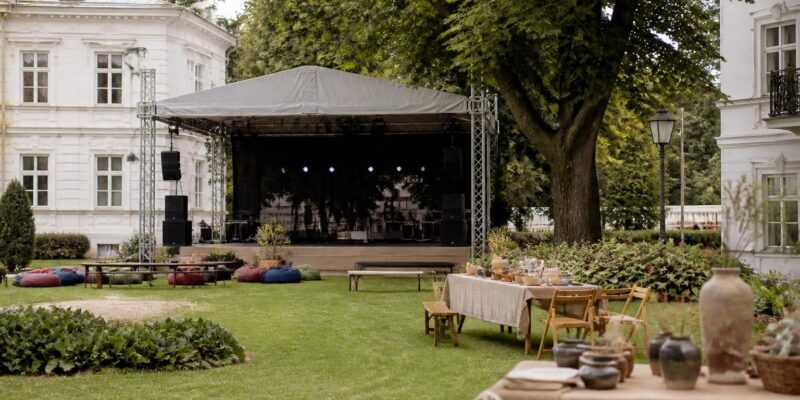
Kaunas is hosting the ninth edition of Kultūrų sodas, a festival devoted to the cultural diversity of Lithuania and to the histories of communities that have helped shape the city. The programme began on 2 September and reaches its main public gathering on Saturday, 12 September, with a concert and educational fair in the garden of the Historical Presidential Palace of the Republic of Lithuania in Kaunas. ([istorineprezidentura.lt](https://istorineprezidentura.lt/naujienos/kulturu-sodas-2026/?utm_source=openai))
The festival is organised by the Kaunas Various Nations Cultural Centre, with the Historical Presidential Palace as its principal partner. Its programme combines public events with a series of talks and guided visits, offering a city-wide introduction to traditions that are often encountered separately through community organisations, religious buildings or specialist heritage institutions. ([istorineprezidentura.lt](https://istorineprezidentura.lt/naujienos/kulturu-sodas-2026/?utm_source=openai))
A festival built around encounters
Rather than presenting cultural diversity as a single stage performance, Kultūrų sodas has structured its programme around encounters with places, stories and everyday traditions. The September schedule has included themed walks on German cultural and industrial heritage in Kaunas, the city’s multicultural history and the presence of Tatars, Roma, Karaites, Old Believers, Evangelical Lutherans and Jewish communities.
Other sessions have invited visitors to learn about the history of Kaunas’ mosque and choral synagogue. A programme item devoted to Karaite culture has focused on sound and taste, while another has explored the city’s Old Believer heritage. The organisers have also scheduled a thematic excursion examining Kaunas and ancient Egypt, presenting cultural connections that may be less familiar to the general public. ([istorineprezidentura.lt](https://istorineprezidentura.lt/naujienos/kulturu-sodas-2026/?utm_source=openai))
This format gives the festival an educational dimension. Visitors are not simply asked to watch a performance; they are encouraged to place music, food, architecture and community memory within the longer history of the city. In that sense, the event connects cultural participation with local heritage interpretation.
The main gathering in the Presidential Palace garden
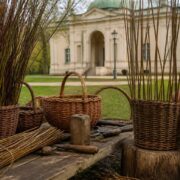
The festival’s central public event is scheduled for 12 September at 13:00 in the garden of the Historical Presidential Palace. Organisers describe the programme as a celebratory concert accompanied by an educational fair and creative activities. The event is free and open to the public, according to the festival’s organising institutions. ([istorineprezidentura.lt](https://istorineprezidentura.lt/naujienos/kulturu-sodas-2026/?utm_source=openai))
The open-air setting is significant. The garden provides a civic backdrop rather than a specialist cultural venue, allowing the festival to bring community performance, informal learning and public conversation into a familiar central Kaunas location. It also reflects the organisers’ stated aim of strengthening intercultural links and respect among people of different nationalities. ([154kulturos.lt](https://154kulturos.lt/?utm_source=openai))
The programme includes representatives of several Lithuanian ethnic communities, as well as international cultural participation. The organising centre has highlighted the appearance of the Colombian dance group Colombia Tierra Querida, adding a wider international element to a festival primarily focused on the cultural landscape of Lithuania. ([154kulturos.lt](https://154kulturos.lt/?utm_source=openai))
From heritage to contemporary city life
Kultūrų sodas is taking place in a city whose identity has long been shaped by different religious, linguistic and cultural communities. By placing those histories alongside music, dance, workshops and guided tours, the festival presents heritage as something active rather than merely archival.
That approach also makes the programme accessible to residents who may not normally visit a museum or attend a specialist lecture. A walk through a historic neighbourhood, a conversation about community traditions or a practical creative workshop can become an informal entry point into the wider cultural history of Kaunas.
For the city, the festival offers a constructive model of cultural programming: local communities are not treated only as subjects of exhibition, but as participants and interpreters of their own traditions. The result is a programme that links public space, education and performance while inviting audiences to see Kaunas through more than one cultural perspective.





Comments