

 By
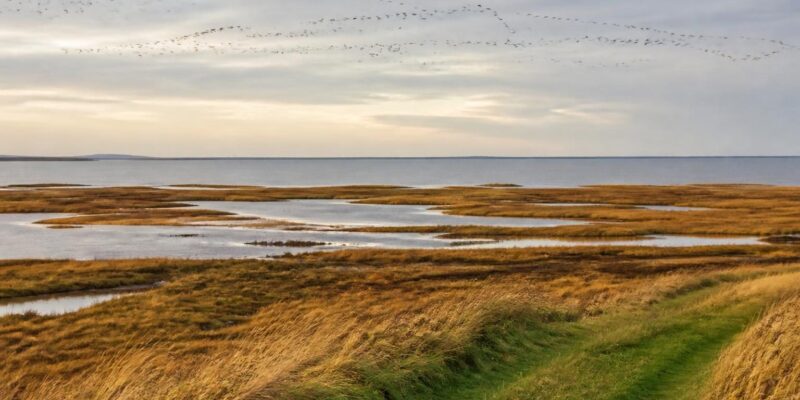
South Jutland is placing its autumn landscape and regional food culture at the centre of a new seasonal tourism programme running from 16 to 25 October 2026. The campaign, presented through Denmark’s national tourism platform and the regional VisitSønderjylland destination organisation, invites visitors to explore the Wadden Sea, the Tønder Marshes, the coast and the area’s historic towns during the school autumn break.
The programme is not built around one large festival. Instead, it brings together a range of outdoor, culinary and family-oriented experiences under the heading “Autumn in Sønderjylland”. The approach reflects a broader shift in seasonal tourism: encouraging visitors to stay longer, travel outside the main summer period and connect natural attractions with local businesses and everyday regional life.
Nature at the centre of the offer
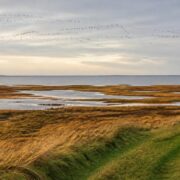
The Wadden Sea is the main geographical focus. The Danish tourism listing points visitors towards the UNESCO-listed tidal landscape, where autumn brings changing light, migrating birds and opportunities to experience the marshes and coastline on foot. The Tønder Marshes are also promoted as a location for observing “Black Sun”, the name commonly used for the large starling formations that can appear over the wetlands during migration season.
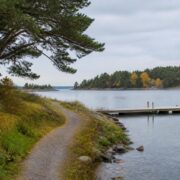
VisitSønderjylland’s autumn guide expands the range of suggested activities. It highlights walking routes through coastal, marsh and forest landscapes, seal-watching trips timed around low tide, and visits to Rømø, a barrier island known for its broad beaches and access to the Wadden Sea National Park. These activities give the region a travel proposition that depends less on warm weather and more on seasonal change, wildlife and open space.
The timing is significant for the region’s tourism economy. October is outside Denmark’s main summer holiday period, but the school autumn break creates a natural opportunity for short family trips. A programme centred on walking, wildlife and local food also allows destinations to promote experiences that can continue in cooler or changeable weather.
Local food and the oyster season
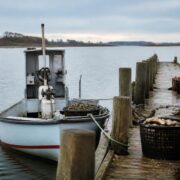
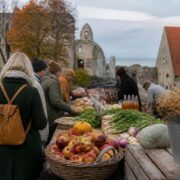
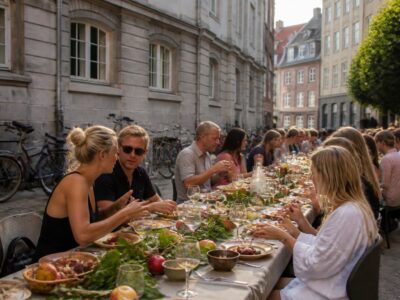
Food is another major element of the campaign. Visitors are encouraged to discover South Jutland’s local flavours, including opportunities to collect oysters in the Wadden Sea area. The region’s coastal identity is closely connected with shellfish, marshland agriculture and small-scale food experiences, making the autumn season a useful bridge between landscape tourism and regional gastronomy.
The tourism material also points to cafés, wellness facilities, family attractions and indoor activities. That combination is practical rather than spectacular: it gives visitors alternatives when wind or rain limits time outdoors, while supporting a wider range of local operators than a programme based only on nature excursions.
For international visitors, the campaign offers a compact itinerary. A short stay could combine a walk on Rømø, a guided wildlife or tidal-flat experience, a visit to the historic town of Tønder, and a meal based on seasonal regional produce. Sønderborg and other towns in the eastern part of South Jutland add museums, cultural sites and family activities to the coastal offer.
A regional approach to autumn travel
The programme also shows how a destination can package a large and varied area without presenting it as a single-ticket event. VisitSønderjylland’s event calendar allows travellers to filter activities by location, date and category, while its autumn guide groups nature, culture, food and accommodation ideas into one seasonal theme.
That structure may be particularly useful for visitors who want flexibility. Rather than following a fixed schedule, travellers can choose between outdoor activities, heritage visits, family attractions or wellness depending on the weather and the interests of their group. The result is a slower form of travel that encourages exploration across several communities instead of concentrating demand in one central attraction.
South Jutland’s autumn programme runs through 25 October, giving visitors several days beyond the opening weekend to plan a trip. Its emphasis is constructive and low-key: use the shoulder season to experience the Wadden Sea, discover regional food and enjoy the landscape at a time when the coast and marshes take on a distinctly different character from summer.













Comments