 By
By 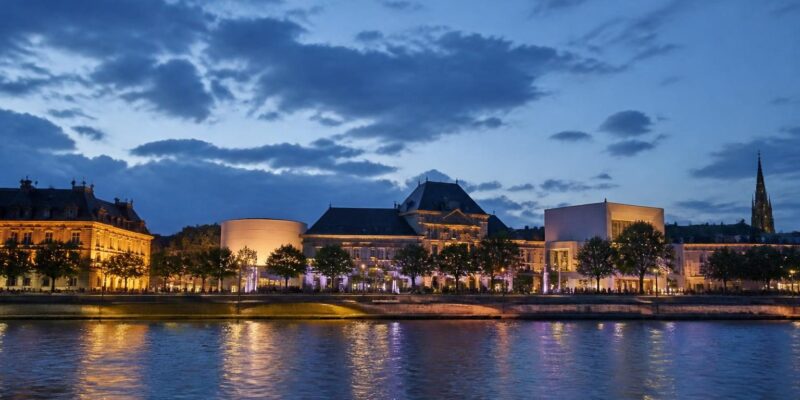
Frankfurt’s Museumsuferfest is turning the banks of the Main into an extended cultural promenade this weekend, bringing museums, music venues, creative projects and food-led public activities together from Friday, 28 August, to Sunday, 30 August 2026. The annual celebration is centred on the city’s Museum Embankment, but its programme reaches well beyond conventional gallery visits.
The festival’s 2026 edition includes more than 500 individual events, according to the City of Frankfurt, with participating institutions offering guided tours, workshops, readings, concerts and special access to exhibitions. More than two dozen museums and art institutions are taking part, giving visitors an opportunity to move between different parts of the city’s cultural landscape in a single weekend. ([frankfurt.de](https://frankfurt.de/de-de/aktuelle-meldung/meldungen/museumsuferfest-2026/?utm_source=openai))
A city district designed for cultural discovery
The format makes the Museumsuferfest distinctive: instead of concentrating activity inside one venue, it links a sequence of museums and open-air spaces along the river. Twelve stages are hosting music and entertainment, while additional areas are dedicated to families, books, art and choral or organ music. The result is less a single show than a temporary cultural route through central Frankfurt.
The official festival programme highlights live bands, DJs, emerging artists, hands-on activities and museum events continuing into the evening. It also includes an Antiquarian Book Mile and an Art Meadow, extending the festival’s focus from established collections to independent cultural participation and informal public meeting places. ([museumsuferfest.de](https://www.museumsuferfest.de/en/programme/All?utm_source=openai))
Frankfurt’s music history takes a visible role
One of this year’s notable themes is the city’s music history. The Batschkapp music club, a long-standing Frankfurt venue, is marking its 50th anniversary with its own stage and live performances. The city says the anniversary recognises the club’s contribution to musical variety and cultural exchange since its founding in 1976.
That anniversary gives the festival a local historical thread: alongside museum collections and formal cultural institutions, the programme acknowledges the clubs, stages and community spaces that have shaped Frankfurt’s contemporary identity. It also allows visitors to encounter the city’s cultural history through performance rather than only through objects or archives.
Museums as active public spaces
Individual institutions are adding their own formats to the weekend. The Städel Museum is offering tours for different age groups, workshops for children and access to its collections of Old Masters, modern art and contemporary art, alongside temporary exhibitions. Its river-facing location also makes it part of the wider festival route rather than a separate destination.
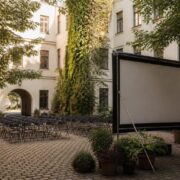
The Historical Museum Frankfurt is combining open exhibitions with guided tours and a courtyard programme that includes local food and music partners. Other participating venues are presenting specialist collections, talks, demonstrations and cultural activities designed to encourage visitors to stay longer and explore more than one institution.
Admission is organised through a Museumsuferfest button, while the Historical Museum notes that visitors under 18 can enter free of charge. The arrangement is intended to make the festival flexible: visitors can choose a few museums, follow a particular theme or simply walk along the river and join activities as they find them. ([historisches-museum-frankfurt.de](https://historisches-museum-frankfurt.de/de/ueber-das-museum/museumsuferfest?utm_source=openai))
A weekend built around participation
The festival’s appeal lies partly in its mixture of planned and spontaneous experiences. A visitor may begin with a curator-led tour, continue to an outdoor concert, stop at a design or book stall and finish the evening at one of the riverside stages. Families are included through creative workshops and practical activities, while specialist audiences can choose from exhibitions, lectures and collection-based programming.
For Frankfurt, the event also functions as a public introduction to its cultural infrastructure. The Museum Embankment is already one of the city’s most concentrated museum districts; during the festival, the institutions become more visible as a connected civic resource. The city describes the celebration as one of Europe’s major cultural festivals, while the festival organisation presents it as a weekend combining art, music and social exchange.
With its 2026 programme running through Sunday, the Museumsuferfest offers a constructive picture of urban culture: museums are not treated as isolated buildings, but as parts of a shared public landscape along the Main.










Comments