 By
By 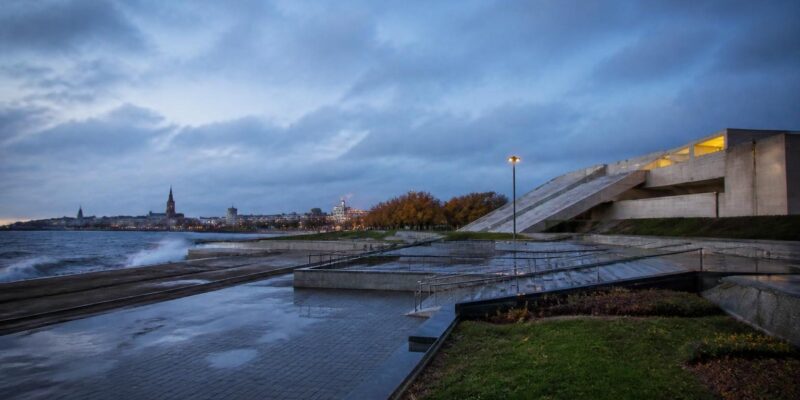
A city-wide festival in motion
Tallinn’s contemporary dance calendar is reaching its most active point of the autumn as the Sõltumatu Tantsu Festival continues through October 17. The 2026 edition is using several of the capital’s cultural and public spaces, giving visitors a chance to experience choreography not only in a conventional theatre but also in locations connected with the city’s industrial, coastal and creative identities.
Organised by Sõltumatu Tantsu Lava, the festival began on October 8 and is centred on contemporary choreography, international exchange and the idea of physical togetherness. The programme brings artists from Estonia, Sweden, Finland, Germany, Greece, Iceland, Japan and Latvia to Tallinn for performances, talks, workshops and informal meetings.
For travellers, the timing offers a useful autumn city-break option: a compact programme of performances can be combined with Tallinn’s Old Town, Telliskivi creative district, Kadriorg and the waterfront in a single visit. The organisers describe the festival as an invitation to experience dance through bodies, sound, space and collective presence rather than as a purely seated cultural event.
From Linnahall to Telliskivi
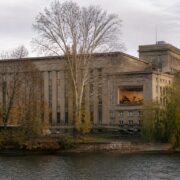
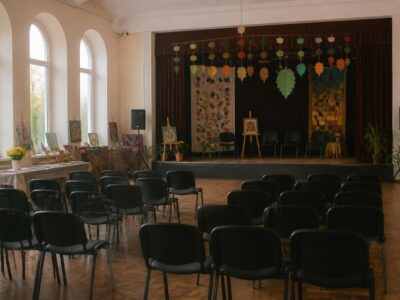
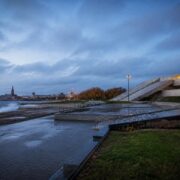
The festival’s locations are part of its character. Events are scheduled at Sõltumatu Tantsu Lava in Telliskivi, at Von Krahl Theatre, in spaces around Linnahall and at other Tallinn venues. The programme also refers to experiences at Kai Art Center, Paavli Kultuurivabrik and Meriton Spa, extending the festival beyond the traditional stage.
On Thursday, October 15, the schedule includes a morning class at TantsuRUUM, an evening presentation of Waterkind and a curators’ tour connected with Land Before Time at Linnahall, followed by Choreography+ at Sõltumatu Tantsu Lava. The latter brings together Estonian choreographers Anumai Raska, Britt Kõrsmaa and Elle Viies.
The schedule continues on Friday with Finnish choreographer Elina Pirinen’s Ghosts of Rosegarden at Von Krahl Theatre. The final weekend includes a Choreocafe, additional performances and a work by the Latvian-Estonian duo Rūta Ronja Pakalne and Laura Gorodko.
An international programme with a local base
The festival’s artistic programme connects Tallinn with several strands of contemporary European choreography. Swedish-German choreographer Jefta van Dinther’s Unearth explores the relationship between the human body, other forms of life and the surrounding world. Greek artist Sofia Mavragani examines vulnerability and collective strength, while Finnish choreographer Elina Pirinen approaches ritual, transformation and women’s creative agency.
Other works bring together artists from Sweden, Iceland, Japan, Latvia and Estonia. The result is not a single stylistic statement but a broad survey of how contemporary dance can work with sound, memory, social space and physical interaction.
That variety is also reflected in the festival’s supporting programme. Artist talks, workshops and discussions at the Choreocafe create opportunities for audiences to meet performers and consider the ideas behind the works. Several events are marked as family-friendly or accessible without a language barrier, making the programme approachable for international visitors who may not speak Estonian.
A practical autumn invitation
Tallinn is particularly suited to this kind of cultural weekend because its central districts are close together and well connected by public transport. Visitors can move from the Telliskivi area to the waterfront and the city centre without planning a long-distance journey between venues. The festival also adds a contemporary layer to a city better known internationally for its medieval Old Town and digital reputation.
The organisers have placed tickets and the detailed schedule online, with performances continuing until October 17. Visit Tallinn’s official event calendar lists the festival alongside other autumn attractions, confirming it as one of the city’s active cultural programmes during the second half of October.
For visitors looking for a more participatory alternative to a conventional concert or exhibition, the Sõltumatu Tantsu Festival offers a distinctive way to read Tallinn: through movement, architecture, sound and the changing relationship between people and public space.














Comments