

 By
By 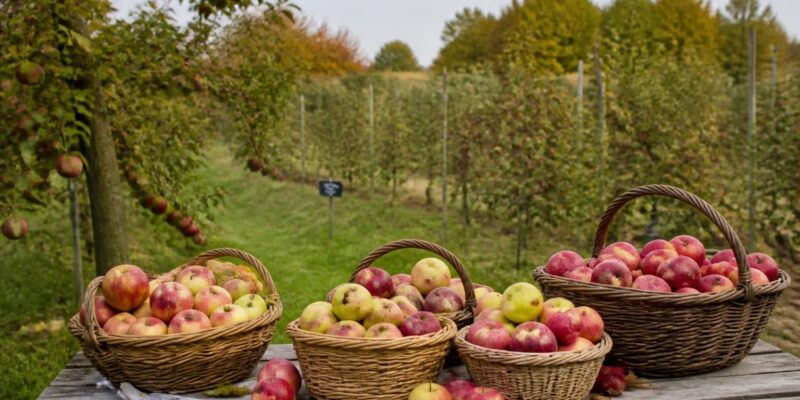
A harvest festival with a research-garden setting
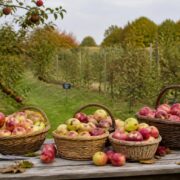
Dobele will turn its horticultural heritage into a public celebration on Saturday, 3 October, when the town’s Apple Festival opens at the garden of the Horticulture Institute. The event is designed around a simple seasonal idea: bringing together the fruit grown in Latvian orchards, the people who cultivate it and the knowledge that helps those orchards develop.
The festival will run from 10:00 to 15:00 and admission will be free. Dobele municipality lists the event in its official calendar, while the town’s tourism service has published the detailed programme. The timing places the gathering at the heart of Latvia’s autumn harvest period, when apples move from gardens and commercial orchards into kitchens, markets and preserves.
More than 100 varieties on display
The central attraction will be an exhibition of more than 100 apple varieties. Visitors will be able to taste selected fruit and speak with researchers during consultations at the institute’s garden. That combination gives the festival a practical dimension: it is not only a celebration of familiar autumn flavours, but also an opportunity to compare varieties and learn more about cultivation.
For home gardeners, such an exhibition can make the country’s apple diversity more visible. The difference between varieties is expressed not only in colour and appearance, but also in acidity, sweetness, aroma, storage qualities and suitability for baking or juice. A public tasting offers a direct way to explore those distinctions without separating food culture from agricultural knowledge.
Local producers bring the harvest to the market
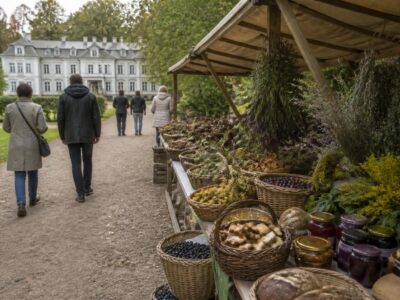
A seasonal harvest and craft market will run alongside the exhibition. Organisers say local home producers and artisans will offer their goods, while the “Taste the Autumn” station will give the day a stronger food-and-lifestyle focus. The market format is especially suited to a festival built around apples: it allows visitors to encounter the fruit as fresh produce, an ingredient and part of a wider regional food economy.
The event also includes the presentation of the “Apple Order”, a Dobele distinction associated with contributions to Latvia’s fruit-growing sector. A local report published ahead of the festival said that researcher Regīna Rancāne would receive the honour in 2026. The recognition adds a professional and civic element to a programme otherwise aimed at a broad public.
A family programme around a local crop
Dobele’s organisers are presenting the festival as a day for different generations. Children’s activities, a sports programme called “Apple Jampadracis” and a performance by the Liepāja Puppet Theatre are scheduled alongside the tastings and market. The programme also includes an awards moment connected with the “Get to Know Your Neighbours in Zemgale” initiative and a competition celebrating apple flavours.
The afternoon will conclude with a concert by Chris Noah and his accompanying band. By placing music and children’s activities alongside agricultural consultations, the organisers are making the orchard a social space rather than treating it only as a production site.
Why the event matters beyond one Saturday
Small food festivals can serve several purposes at once. They give producers a direct meeting point with consumers, help visitors discover regional products and offer towns a way to connect tourism with local identity. In Dobele’s case, the research-garden setting makes that connection particularly clear: the same place can introduce visitors to new flavours, explain how fruit is cultivated and provide a setting for community life.
The festival also offers a useful reminder that food tourism does not have to depend on large-scale attractions. A local crop, an open garden, a growers’ market and a public programme can create a distinctive autumn destination. For visitors travelling through Zemgale, the Apple Festival provides a timely reason to experience Dobele through its orchards and food traditions.








Comments