

 By
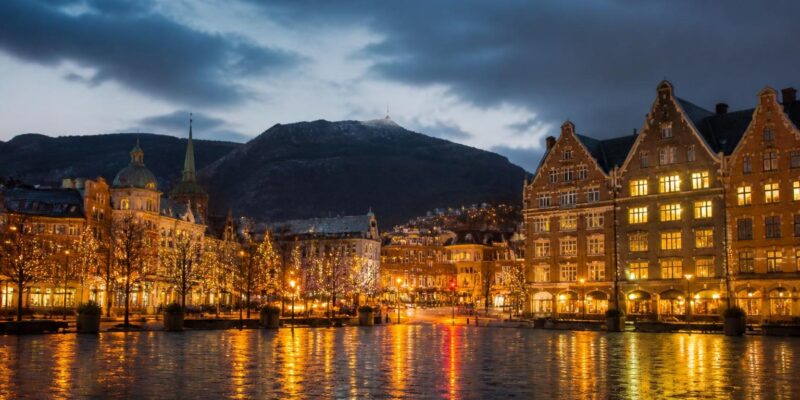
Bergen’s Christmas season moves into its main public phase on Friday, November 20, when the city’s Christmas Market opens at Festplassen in the centre of Norway’s west-coast capital. The market will run until December 22, giving visitors and residents a month-long opportunity to combine seasonal shopping and food with Bergen’s established cultural and urban attractions.
The opening is a timely travel development for a city whose appeal is often associated with summer fjord trips. In late autumn, the focus shifts towards a more compact experience: a central market, short walks through the historic city, indoor museums, cafés and the annual Pepperkakebyen, or Gingerbread City. Visit Bergen describes the market as one of the key dates in the city’s 2026 Christmas programme. ([en.visitbergen.com](https://en.visitbergen.com/whats-on/christmas-in-bergen?utm_source=openai))
A market built around local producers and central access
The market is located at Festplassen, beside Lille Lungegårdsvann and close to Bergen’s main railway station, Byparken light-rail stop and the central shopping streets. The organiser says the 2026 edition will bring more than 90 stalls, bars and attractions together in the square. Visitors can expect handmade gifts, food and drink, seasonal decorations and a Ferris wheel, while covered and heated areas offer places to pause in colder weather.
Local producers and craftspeople are part of the market’s identity, alongside exhibitors from elsewhere in Norway and abroad. That mix gives the event a practical role in the city’s visitor economy: it is not only a leisure attraction, but also a shop window for small food, design and craft businesses during one of the busiest retail periods of the year. ([en.visitbergen.com](https://en.visitbergen.com/whats-on/bergen-christmas-market-p3708833?utm_source=openai))
Entry to the market is free. Opening hours are listed as noon to 9 p.m. from Monday to Friday and 10 a.m. to 9 p.m. on Saturdays and Sundays. The Ferris wheel and some other attractions require separate payment. Travellers arriving by train or light rail can reach the market without needing a car, while most of central Bergen’s major visitor sites are within walking distance.
From a market visit to a wider Bergen itinerary
The market is part of a broader seasonal programme rather than a stand-alone attraction. Bergen’s Gingerbread City opened on November 14 and will continue until January 10, 2027. The exhibition is made from edible architectural models created by residents and community groups, and has become one of the city’s recognisable winter traditions. Visit Bergen presents it as the world’s largest exhibition of its kind, although the most useful point for travellers is its role as an indoor, family-friendly stop during the darker months.
A visitor can therefore build a simple day around the city centre: begin with the market, continue to the Gingerbread City, walk through the UNESCO-listed Bryggen area and finish with dinner in one of Bergen’s restaurants. Museums, galleries and cafés provide alternatives when the weather is wet, a familiar consideration in a city known for its rainfall. The market’s central position makes this kind of itinerary possible without long transfers.
Visit Bergen’s Christmas guide also lists guided walks beginning on November 21. These tours connect the market with Bryggen, older streets and the Gingerbread City, offering an organised option for visitors who want local historical context as well as seasonal shopping. ([en.visitbergen.com](https://en.visitbergen.com/whats-on/christmas-in-bergen?utm_source=openai))
A seasonal event with a local rhythm
The opening date places Bergen at the beginning of Scandinavia’s wider Christmas-market season. Unlike a short festival concentrated into one weekend, the market is scheduled to remain open for 33 days, allowing travel to be spread across weekdays and weekends. That longer run supports a more flexible approach for visitors combining Bergen with a wider Norwegian journey.
The event also illustrates how Nordic cities use familiar seasonal traditions to extend the visitor calendar beyond the main summer period. Bergen’s winter offer is not based on a single large spectacle. Instead, it brings together small-scale commerce, food, public-space lighting, cultural venues and walkable heritage. For travellers, the result is a city break that can be planned around atmosphere and local discovery rather than a tightly timed attraction.
With the market opening on November 20, Bergen’s central squares and streets now enter their main pre-Christmas phase. The combination of free access, public transport connections and nearby cultural sites makes the event a straightforward addition to a western Norway itinerary, whether the visit is focused on shopping, food, architecture or a quieter seasonal city experience.





















Comments