 By
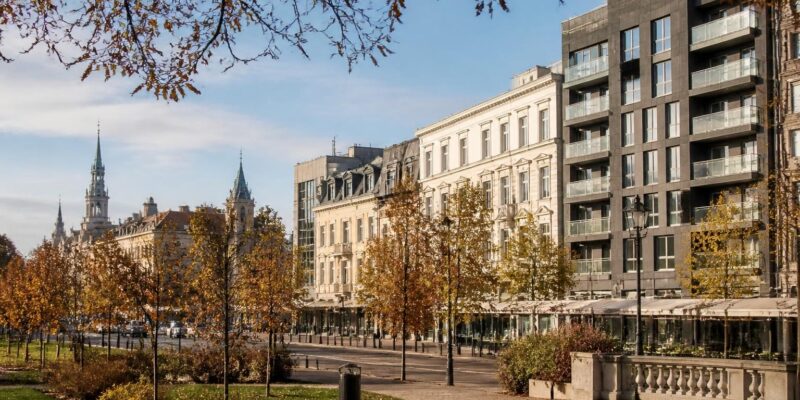
Riga is hosting a new regional discussion on how housing, hospitality and urban life are changing across the Baltic states. The Baltic Living & Hospitality Symposium takes place on Tuesday, 17 November 2026, at Grand Hotel Kempinski Riga, bringing together real-estate advisers, developers, investors, operators, lenders and public-sector representatives.
The event is organised by Latvian business publication Dienas Bizness in cooperation with CPB Connecting Property and Business, a Baltic-focused real-estate advisory firm. Organisers have presented the symposium as a forum for examining both long-term rental housing and shorter-stay accommodation, alongside the links between tourism, investment and city development. ([db.lv](https://db.lv/db-konferences/baltic-living-and-hospitality-symposium?utm_source=openai))
From ownership to more flexible forms of living
The central question is how cities can respond to residents and visitors who increasingly need more flexible forms of accommodation. That includes students, young professionals, families, internationally mobile workers, project-based employees and older people looking for professionally managed housing.
For Riga, the subject is relevant beyond the property market. The quality, location and management of housing affect how people move through the city, where they spend time and whether neighbourhoods remain active throughout the year. Well-planned rental developments can also support public transport use, local services and the reuse of underused buildings, although the symposium itself is a business and professional forum rather than a municipal decision-making body.
The programme places rental housing within a wider Central European and Nordic context. A market review is scheduled to examine residential investment fundamentals, while another session compares short- and long-term stays in the Baltic capitals. The organisers say the purpose is to understand which markets are performing now and which may have stronger long-term potential.
Management and the practical life of buildings
One of the more practical parts of the programme focuses on property management. Speakers are expected to discuss maintenance, operating costs, digital platforms, customer relations, predictive maintenance and smart-building systems.
That emphasis matters because the success of a housing or hospitality project depends on more than construction. Buildings must be maintained, shared spaces must work, and services must be reliable for residents and guests. Digital tools can help operators monitor energy use, coordinate repairs and improve communication, but they do not replace sound planning or accountable management.
The programme also brings together people from residential property, hotel operations, serviced apartments and facility management. Their meeting reflects a growing overlap between these sectors: some buildings combine permanent homes with short-term accommodation, while other projects offer hotel-style services to longer-term residents.
Riga as a meeting point
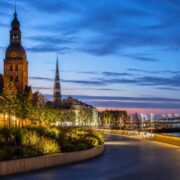
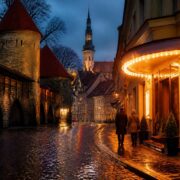
The choice of Riga gives the discussion a clear urban setting. The symposium is being held in the city centre during the week of the Staro Rīga light festival, when public spaces, façades and parks become part of a wider cultural programme. It is also scheduled immediately before Latvia’s national day, giving visiting participants an opportunity to experience the capital during one of its busiest November periods.
The event is designed for both in-person and online participation. According to the published programme, sessions include market analysis, panel discussions and case studies involving residential management, hospitality operations and investment. Participants include representatives of international hotel groups, advisory firms, property companies and public institutions. ([db.lv](https://db.lv/db-konferences/baltic-living-and-hospitality-symposium?utm_source=openai))
For the wider city, the value of such a meeting lies less in a single announcement than in the exchange of approaches. Baltic capitals share several challenges: attracting investment, creating suitable rental homes, maintaining historic building stock, strengthening year-round tourism and ensuring that new development fits existing neighbourhoods.
Questions beyond investment
The symposium’s focus on growth also raises questions that extend beyond financial performance. New housing supply can improve choice, but affordability depends on rents, wages, transport connections and the availability of public services. Tourism can bring activity to city centres, but successful development must also consider residents’ quality of life and the pressure placed on infrastructure.
Those issues are likely to remain important as Riga competes for visitors, companies and skilled workers. A balanced urban model will need a mixture of housing types, accessible public spaces, efficient services and connections between the centre and surrounding districts.
The 17 November symposium therefore offers a timely snapshot of a sector in transition. It does not decide Riga’s housing policy, but it creates a platform where market participants and public-sector representatives can compare experiences and discuss how future projects might serve residents, visitors and the city economy at the same time.










Comments