
 By
By 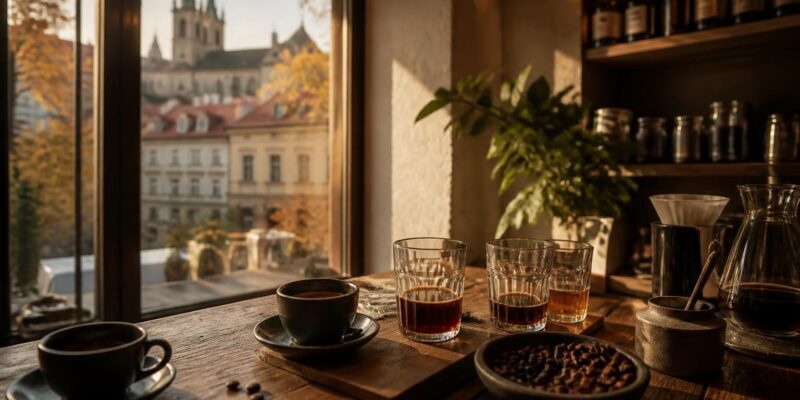
Vilnius is marking International Coffee Day on Thursday, October 1, with a small but deliberately experimental event built around tasting, curiosity and conversation rather than a conventional coffee promotion.
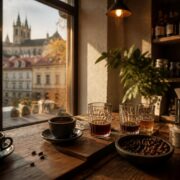
The Coffee Enthusiasts Association, together with Kavos Reikalai café in the Paupys district, is hosting a free pop-up from 5 to 7 p.m. The organisers describe it as an opportunity to experience coffee “differently”: not only as a drink, but also as a flavour, a sensory exercise and a social activity. The event listing confirms the date, time, location and free admission.
A coffee evening built around the senses
The programme is designed for visitors who may be interested in coffee without considering themselves specialists. According to the association’s event information, guests will be invited to sample different flavours, take part in sensory experiments and try unexpected coffee pairings. Games and short challenges will encourage participants to identify tastes and consider how their senses shape the experience of a cup of coffee.
That approach places the event closer to public food education than to a traditional product launch. The association says the evening will explore flavours that people may not normally notice in coffee, while also demonstrating how aroma, taste and expectation influence perception.
The format is intentionally informal. No specialist qualification is required, and the organisers present the event as an open invitation to Vilnius residents and visitors interested in learning, tasting or simply spending part of the evening in the city’s coffee community.
From café gathering to a broader coffee programme
The October 1 pop-up also provides a preview of a wider programme planned for later in the month. The Coffee Enthusiasts Association is due to create a dedicated coffee-culture space at Taste Vilnius 2026, the food and hospitality exhibition taking place at the LITEXPO exhibition centre from October 15 to 17.
At the exhibition, the association plans to combine professional and public-facing activities, including discussions, coffee tastings, cuppings and workshops. Its stated aim is to make contemporary coffee culture accessible beyond the professional café sector, giving visitors practical ideas for brewing at home while introducing them to people working in Lithuania’s coffee industry.
The association’s presence at Taste Vilnius reflects the growing variety of formats through which coffee is presented in the country: as a craft, a hospitality product, a subject for sensory learning and a meeting point for small businesses and enthusiasts. The October 1 event offers a more intimate version of that same idea.
Vilnius as a meeting place for food culture
For the city, the pop-up fits a broader pattern of food-related events that combine social life with informal education. Rather than centring on a large festival or a competition, the evening uses a café setting and a limited time window to create a more approachable experience.
It also highlights the role of independent venues and professional associations in developing food culture. Kavos Reikalai is providing the location, while the Coffee Enthusiasts Association is bringing together the tasting concept, educational elements and wider community network. The partnership gives the event a local focus while connecting it to the national coffee sector.
Visitors can attend without charge at Kavos Reikalai, Aukštaičių Street 12, Vilnius, between 5 and 7 p.m. The organisers have not presented the gathering as a formal conference or trade event. Instead, it is framed as an accessible evening for discovering new flavours and meeting others who are interested in coffee.
In practical terms, the event is a modest entry in Vilnius’s autumn calendar. Its significance lies less in scale than in format: it treats an everyday drink as a subject for shared experimentation and public learning. For anyone looking for a low-key food and lifestyle activity in the capital on October 1, the pop-up offers a timely way to take part in Lithuania’s evolving coffee culture.






Comments