
 By
By 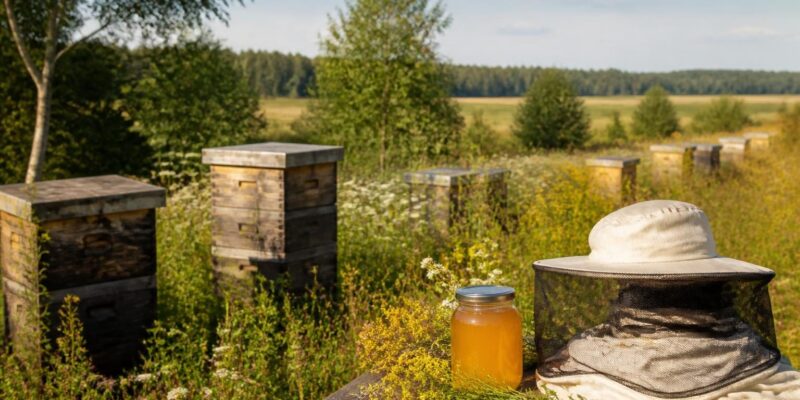
Latvia’s annual Honey Day at the Apiary began on Saturday, August 22, opening beekeeping farms around the country to visitors who want to experience honey production at its source. The programme runs through September 13, with visits arranged directly with participating beekeepers.
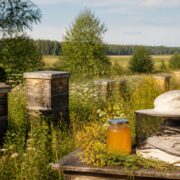
The initiative offers a distinctly Latvian form of late-summer food tourism: instead of presenting honey only as a finished product on a market stall, it places visitors inside the landscape where it is made. Guests can see apiaries, taste different types of honey and learn how beekeepers work with their colonies throughout the season.
A national invitation to taste the landscape
The Latvian beekeepers’ association, which organises the programme, says participating farms have prepared their own activities. Some focus on tasting; others offer an introduction to everyday apiary work, demonstrations connected with honey extraction or a closer look at other products such as pollen, bee bread and honey-based blends.
The official Latvia Travel listing describes the 2026 programme as involving 30 beekeeping farms across Latvia. A separate sector announcement refers to 29 participating farms, so the practical number may vary as individual listings are updated. The central offer is consistent: visitors choose a farm through the programme map and make an appointment in advance.
That booking system is important because apiaries are working agricultural sites rather than conventional museums. A planned visit allows each beekeeper to set suitable times, explain safety requirements and tailor the experience for families, small groups or school-age visitors.
From a spoonful of honey to the work behind it
For visitors, the most immediate attraction is flavour. Honey reflects the plants available to bees, the season and the surrounding terrain, meaning that two jars produced in different parts of Latvia can have noticeably different aromas, colours and textures. A tasting can therefore become a small lesson in local geography, from flowering meadows and gardens to woodland edges and agricultural fields.
The programme also presents beekeeping as a skilled form of rural enterprise. Producing honey involves managing colonies, monitoring their health, choosing suitable locations, protecting them from weather and ensuring that the final product is handled and labelled properly. Meeting a beekeeper gives consumers an opportunity to ask practical questions that rarely arise during an ordinary supermarket purchase.
Several farms taking part are family businesses or small rural enterprises. Welcoming visitors can help them build direct relationships with customers and explain the value of products beyond standard honey. Depending on the farm, guests may find beeswax goods, pollen, propolis, flavoured honey, gift packs or other locally made products.
Why bees matter beyond the jar
The organisers frame Honey Day not only as a tasting event but also as a public-awareness initiative. The programme highlights the role of honey bees in pollination and the wider importance of pollinating insects for biodiversity.
That message gives the event a broader dimension. Visitors are encouraged to see an apiary as part of a living environment rather than an isolated production site. Flowering plants, hedgerows, orchards, gardens and uncultivated strips all contribute to the resources available to bees and other insects. A visit can therefore connect an everyday food such as honey with questions about land use, seasonal flowering and the health of rural ecosystems.
The association also uses the programme to promote understanding of honey and other bee products, including how they are obtained and how consumers can recognise quality. In this sense, the event links food literacy with agricultural knowledge: tasting is the entry point, while the longer story concerns labour, nature and local production.
Planning a visit
Honey Day is designed for individual visitors, families, groups of friends and school groups. Because visits must be booked in advance, travellers should first consult the official 2026 map, select a suitable apiary and contact the beekeeper listed for that location. Opening times and available activities may differ from farm to farm.
The format also makes the programme suitable for a day trip outside Riga. A visit can be combined with a walk, a local market, a small museum or another rural attraction, creating a slower itinerary centred on regional food rather than a single large festival site.
At a time when many food experiences are built around restaurants and organised tastings, Latvia’s Honey Day offers a more grounded alternative. It asks visitors to follow the product backwards—from the breakfast table to the jar, from the jar to the hive and from the hive to the flowering landscape that makes the harvest possible.






Comments