 By
By 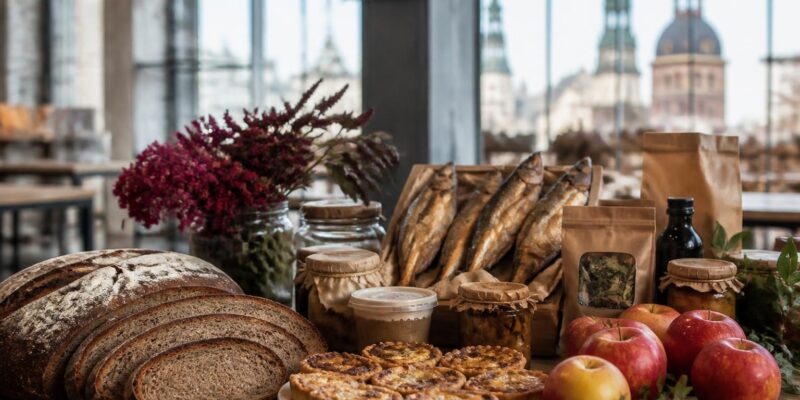
Riga is becoming a meeting point for Latvia’s regional food culture on Saturday, September 19, as Hanzas perons hosts the annual Novadu Ražas svētki, or Regional Harvest Festival. The free event brings together more than 50 food producers, small-scale makers and caterers from across the country for a day focused on local ingredients, traditional products and practical cooking knowledge.
The festival is organised by the Novada Garša initiative and the Latvian Rural Advisory and Training Centre, with support from the Ministry of Agriculture. Organisers describe the gathering as an opportunity for residents and visitors to meet the people behind Latvia’s regional products, taste their work and buy directly from producers. The programme runs from 10:00 to 16:00 at Hanzas perons on Hanzas iela.
A national food map in one Riga venue
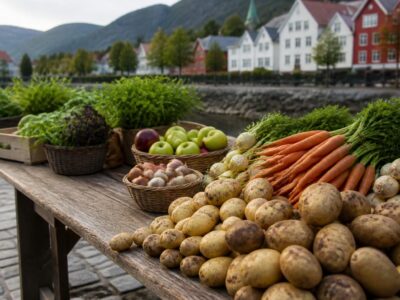
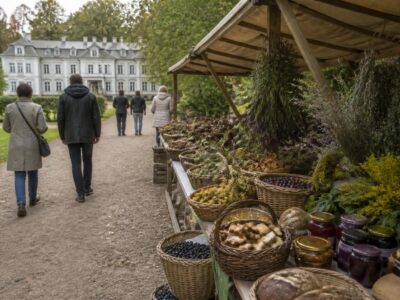
The event’s central idea is straightforward: bring the flavours of Latvia’s regions into one accessible urban setting. Producers from Kurzeme, Vidzeme, Zemgale and Latgale are expected to present food and drink associated with their local traditions, alongside newer products developed by small businesses and home-based producers.
That combination gives the festival a broader role than a standard market. Visitors can compare regional approaches to ingredients, preservation and baking while also learning how small producers are adapting familiar recipes for contemporary customers. The organisers say the market will include both traditional specialities and newer discoveries from the 2026 quality competition.
Among the products highlighted in the programme are sklandrausis, lamprey and other regional delicacies carrying national or European quality recognition. Such labels are intended to help consumers identify products with a documented regional origin and production history. At the festival, however, the labels are presented alongside direct conversations with producers, allowing visitors to connect formal quality schemes with the people and places behind them.
Workshops turn tasting into participation
Food education is one of the festival’s main features. The programme includes hands-on masterclasses designed to show how Latvian ingredients can be used in an everyday kitchen. One session explores the relationship between vegetables and pastry, including a practical dessert demonstration with a chef. Another focuses on sklandrausis, a traditional Latvian pastry, and invites participants to prepare their own version.
The organisers are also planning a small cooks’ school for children. Its aim is to introduce younger visitors to the pleasure of preparing food in a safe and creative setting. For families, this makes the event more than a shopping trip: children can encounter local ingredients directly, while adults can gather ideas for cooking with seasonal produce at home.
Workshop places are limited, and the organisers advise visitors to register at the venue early in the day. The festival itself is free, which lowers the barrier for people who may want to sample the programme without committing to a paid culinary course.
Recognition for small producers
The closing part of the day will focus on the Novada Garša 2026 food-quality competition. The awards ceremony is scheduled for 15:00, when the organisers will present gold, silver and bronze distinctions to producers whose products performed best in expert evaluations.
This year’s competition attracted 225 products from 106 Latvian food producers and home-based makers, according to the Novada Garša organisers. Products were assessed through blind tastings involving food technologists, industry experts and professional chefs, with attention to taste, texture, appearance and technical execution.
For small producers, the competition offers a route to visibility beyond their immediate region. A medal can provide a clear quality signal to consumers, retailers and hospitality businesses, while the festival gives award participants a physical place to explain their methods and tell the story of their products.
Food, music and a sense of season
The harvest theme will also be reflected in the atmosphere. The folk ensemble Dārdaru muzikanti is scheduled to provide live music and dancing, while singers Mārtiņš Jātnieks and Mārtiņš Kanters are listed among the performers. The programme also includes family activities, demonstrations and opportunities to meet makers throughout the day.
The festival arrives at a useful moment in Latvia’s annual food calendar. September is when gardens, farms and forests offer a wide range of produce, but it is also the point at which many households begin thinking about preserving, baking and storing food for the colder months. A market built around those seasonal habits can connect urban consumers with rural production without turning the event into a purely nostalgic display.
Hanzas perons, a former railway warehouse now used as a cultural venue, provides an adaptable setting for that meeting between food, commerce and public life. On September 19, the building will temporarily function as a national tasting room: a place where regional producers can sell, demonstrate and compete, and where Riga residents can encounter the diversity of Latvia’s food landscape in a single afternoon.
With free admission, a children’s programme, practical workshops and the 15:00 awards ceremony, Novadu Ražas svētki offer a constructive snapshot of Latvia’s small-producer economy at the start of autumn.








Comments