 By
A doorway into Arctic and Antarctic research
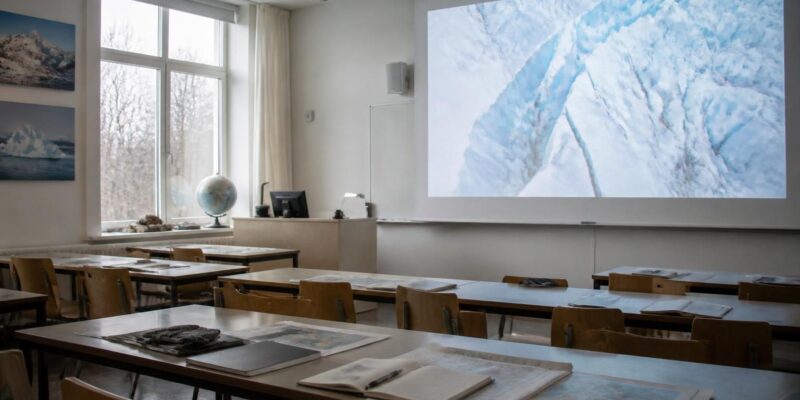
Estonia is preparing to introduce a broader academic audience to polar science, with a one-day information event in Tartu designed for researchers and students from many different fields. The meeting, announced by Tallinn University of Technology on 20 November, will take place on 26 November at the University of Tartu’s Oecologicum building and will also be available online.
The programme is aimed not only at established polar specialists. Scientists, doctoral students and students from different disciplines are invited to learn how their existing expertise might be applied to research in the Arctic and Antarctic. That open approach is central to the event: polar studies increasingly draw on environmental science, engineering, data analysis, technology, social science and the humanities.
From specialist field to shared research opportunity
According to TalTech, the information day will present international research networks, access to polar research infrastructure and current priorities in Arctic and Antarctic science. Estonian researchers will also share experiences of working in polar research and discuss the practical challenges involved.
The event is being coordinated with the aim of making opportunities more visible to people who may not previously have considered polar research part of their professional path. Professor Maarja Kruusmaa of TalTech is expected to explain how new technologies can help researchers investigate glaciers. Other presentations will focus on Arctic terrestrial ecosystems, aerosols, the seabed and research carried out in Svalbard.
That range of subjects gives the event a wider significance than a conventional academic seminar. It presents polar research as a platform where different forms of knowledge can meet. A researcher working with sensors, modelling, marine systems, ecology or cultural questions may all find a route into the same international field, even without a traditional polar-science background.
Building capacity through information
One of the practical questions behind the meeting is how researchers can find their way into international projects. Polar research often depends on shared facilities, international field programmes and competitive funding calls. For smaller research communities, knowing where those opportunities exist can be as important as having a strong research idea.
TalTech’s announcement highlights European Union and international support for polar research. Kruusmaa’s own experience is presented as an example of how researchers can combine an existing academic specialism with polar work, including through European funding and time spent at a Norwegian polar station.
The message is therefore not that every participant should become a field scientist. Rather, the event will show how different skills can contribute to a larger research effort. Technology can improve the observation of glaciers; atmospheric research can clarify the movement of aerosols; seabed studies can expand understanding of marine environments; and data specialists can help turn observations into usable evidence.
Tartu as a meeting point
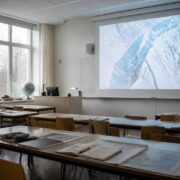
Holding the information day in Tartu places the discussion within one of Estonia’s main university and research centres. The Oecologicum, where the event will be held, provides a natural setting for conversations that cross disciplinary boundaries. The online option also allows people outside Tartu to follow the programme, making the initiative more accessible to researchers and students across Estonia.
The sessions are planned in Estonian or English according to the audience’s preference. That detail reflects the event’s two purposes: to strengthen local awareness of polar research and to connect Estonian participants with international academic networks.
For students and early-career researchers, such an introduction can be valuable even when it does not lead immediately to a project. It can clarify which institutions operate research infrastructure, what kinds of expertise are sought and how international collaboration is organised. For established researchers, it may offer a starting point for new partnerships outside their usual field.
A constructive view of Estonia’s research role
Estonia’s polar research community is small compared with that of the largest northern research countries, but information-sharing can help make its expertise more visible and better connected. The 26 November event is a modest but practical step: it turns a specialised subject into an open invitation and encourages researchers to consider how their existing knowledge might contribute.
In that sense, the information day is not only about distant ice, glaciers or polar seas. It is also about how a research system grows—through networks, shared infrastructure, accessible information and opportunities for people from different backgrounds to work together.








Comments