

 By
Public consultation continues after Kurzeme meetings
Latvia’s assessment of the planned ELWIND offshore wind farm has moved into its next stage after public meetings in Ventspils, Pāvilosta and Ziras. The meetings, held from November 4 to 6, brought together about 170 residents, municipal representatives and other interested participants, according to the Latvian Investment and Development Agency (LIAA).
The consultation remains open in writing until November 13, giving coastal communities several more days to submit questions, proposals and objections to the State Environmental Service. The process concerns the Latvian part of ELWIND, a joint Latvian-Estonian offshore wind project planned for the Baltic Sea. ([liaa.gov.lv](https://www.liaa.gov.lv/en/article/initial-public-consultations-elwind-offshore-wind-park-have-concluded-focus-impact-baltic-sea-and-benefits-coast?utm_source=openai))
The development is still at an early assessment stage. The final number of turbines, their precise layout and the technical design of the connection to the electricity grid have not yet been decided. Instead, researchers and project representatives are collecting the evidence needed before later decisions can be made.
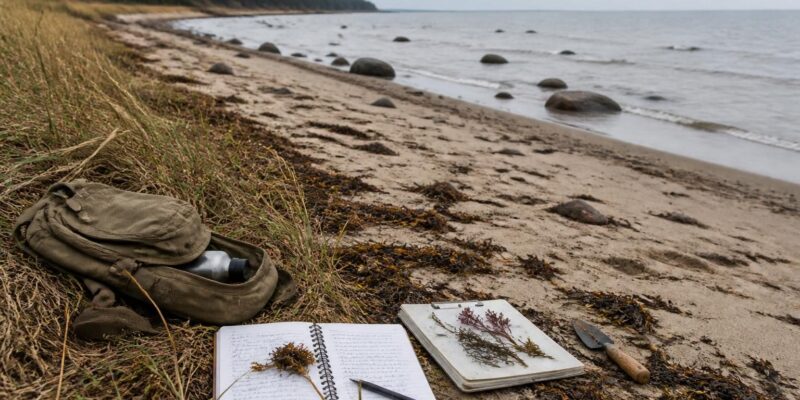
Research is being used to establish an environmental baseline
More than 20 environmental and technical studies are being carried out under the project. They cover subjects including seabed geology, marine biodiversity, water quality, meteorological conditions and grid connection options. Some of the studies require observations across several seasons, because marine conditions and wildlife patterns vary during the year.
At the public meetings, residents were particularly interested in the possible effects on fish, birds, marine mammals and the coastal landscape. They also asked about the eventual removal of turbines, the construction of onshore cable corridors and the economic benefits that might reach local municipalities and households.
LIAA says the studies will have value beyond the individual project. More detailed information about the Baltic Sea’s geology, biodiversity and environmental condition could contribute to future research and planning in a part of the sea where comparable investigations have been limited. ([liaa.gov.lv](https://www.liaa.gov.lv/en/article/initial-public-consultations-elwind-offshore-wind-park-have-concluded-focus-impact-baltic-sea-and-benefits-coast?utm_source=openai))
A project located farther offshore
The Latvian study area lies between Liepāja and Ventspils, approximately 22 to 30 kilometres from the coast. According to the project information, the area was moved more than seven kilometres farther offshore in 2025. The change was intended to reduce potential risks to biodiversity, avoid overlap with a possible future marine protected area and lessen the visual effect from land.
Those potential advantages still require detailed assessment. The environmental impact assessment will examine baseline conditions, forecast possible changes, compare alternatives and identify measures that could prevent or reduce adverse effects. Monitoring requirements for the construction and operating phases will also be considered.
The Ministry of Economics’ consultation notice places the Latvian project capacity at approximately 500 to 1,000 megawatts, with the possible development area in the Baltic Sea off the Kurzeme coast. The wider ELWIND project, combining the Latvian and Estonian sections, is planned at up to 2 gigawatts. ([em.gov.lv](https://www.em.gov.lv/lv/jaunums/pazinojums-par-sakotnejo-sabiedrisko-apspriesanu-atkrastes-veja-parka-elwind-un-ta-saistitas-infrastrukturas-buvnieciba?utm_source=openai))
Local benefits remain part of the discussion
Public discussions have not been limited to environmental questions. Residents and municipalities have also asked how the project could affect local infrastructure, landowners, fisheries and coastal development.
Under the current framework described by LIAA, a wind-power producer would make an annual community-development payment of €2,500 per megawatt of installed nominal capacity. If the Latvian section ultimately reaches between 500 and 1,000 megawatts, the indicative annual amount would be approximately €1.25 million to €2.5 million. The precise figure and distribution would depend on the final capacity, location, legal framework and project design.
LIAA stresses that these figures are indicative rather than guaranteed. The project’s technical solutions and environmental impacts must be assessed before specific benefits can be confirmed. That cautious approach is also why the consultation process remains open while the studies continue.
How to take part
Written proposals concerning the planned activity may be submitted to the State Environmental Service until November 13, 2026, by email or post. The received questions and proposals will be compiled and forwarded for assessment. Substantive suggestions may be considered in the further environmental review and in the preparation of the environmental-impact documentation. ([liaa.gov.lv](https://www.liaa.gov.lv/en/article/initial-public-consultations-elwind-offshore-wind-park-have-concluded-focus-impact-baltic-sea-and-benefits-coast?utm_source=openai))
The next major steps will depend on the research findings, the environmental assessment and later decisions about project design. For Latvia’s coastal communities, the current stage offers an opportunity to place local knowledge alongside scientific monitoring before any final development choices are made.












Comments