
 By
A new working platform for Estonia’s maritime heritage
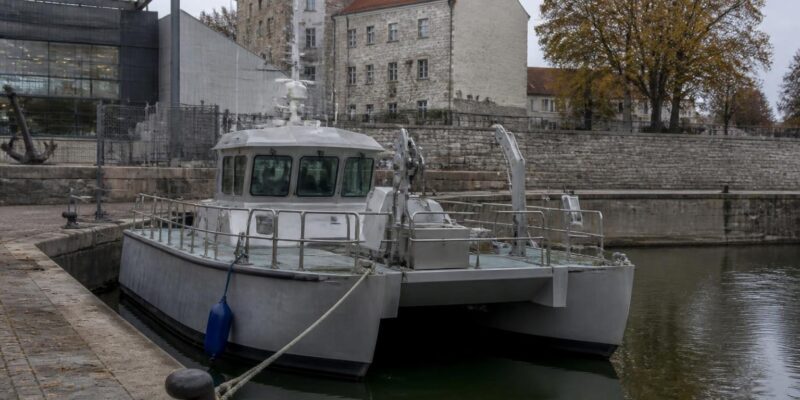
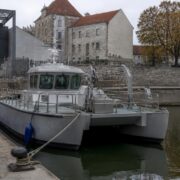
The Estonian Maritime Museum is preparing to return to the water with a purpose-built research vessel designed for underwater archaeology. The Tallinn-based museum signed a contract on Tuesday, 3 November 2026, with Latvian shipbuilder Invessel to build a new aluminium catamaran, according to reporting by ERR and a procurement summary describing the vessel’s technical requirements.
The vessel is expected to cost approximately €1 million and to be completed in 2028. The museum’s board member Urmas Dresen said the project is being financed from the museum’s own budget rather than through a separate aid programme. The order marks the first time the museum has commissioned a vessel specifically for its own research needs.
The project gives the institution a new operational base for work that has been part of its identity for decades. The museum says its underwater archaeological activities will reach their 50th anniversary in 2028, the same year in which the new vessel is scheduled to enter service.
Designed around fieldwork
The planned ship will be up to 11.9 metres long and up to 5.2 metres wide, according to the public procurement documentation. Its principal role will be underwater archaeological research in Estonian maritime areas, with a minimum intended service life of 20 years.
The procurement requirements call for an aluminium catamaran capable of carrying at least 12 people and a payload of at least 2,700 kilograms. The vessel is also being designed for Estonian conditions, including significant wave heights of up to two metres, winds of up to Beaufort force six and limited operation in fixed ice up to three centimetres thick.
A broad working deck at the stern will provide space for diving-related tasks. The vessel is also expected to have a crane, accommodation, a wheelhouse, a galley, sanitary facilities, engine rooms and forward and aft storage areas. In practical terms, that combination should allow museum specialists to spend longer periods at research sites while transporting equipment and recovered material in a more controlled way.
Replacing an ageing museum workboat
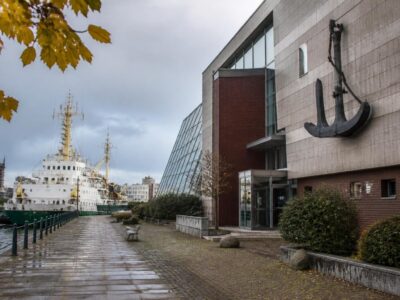
The museum’s earlier research vessel, Mare, has been displayed at the Lennusadam seaplane harbour since 2018 after serving the institution for many years. Its retirement as an active research platform created a gap between the museum’s collection work on land and the field research needed to document Estonia’s maritime past.
The new catamaran is intended to close that gap. Unlike a historic vessel preserved primarily as an exhibit, it will be commissioned as a practical working platform. Its layout and carrying capacity are being specified around the needs of underwater archaeology rather than adapted from another type of boat.
That distinction matters because archaeological work at sea combines several tasks: locating sites, recording their position, examining objects in context, supporting divers and bringing material ashore for conservation and study. A dedicated vessel can also make research planning more predictable, especially when several specialists and technical systems need to work together in a limited space.
A Latvian-built vessel for Estonian waters
Construction will take place in Latvia, creating a small but concrete example of cross-border cooperation in the Baltic maritime sector. The procurement documentation leaves room for technical details to be refined during the contracting process, but the central brief is clear: the ship must be robust enough for local sea conditions and flexible enough for archaeological fieldwork.
Once construction is complete, the museum plans to organise a public competition to choose the vessel’s name. That step would give the wider public a role in presenting a ship that is intended not only to serve specialists but also to strengthen the museum’s connection with Estonia’s coastal history.
Why the project matters beyond the museum
For Tallinn, the order links a cultural institution with the practical infrastructure of research. The museum’s work can help document shipwrecks, harbour sites, submerged objects and other traces of maritime life that are not visible from the shore. In turn, better field capacity can support exhibitions, collections, publications and educational programmes for visitors.
The vessel also represents a long-term investment. With a planned service life of at least two decades, it is intended to support several generations of researchers rather than a single project cycle. The museum’s decision to fund the ship from its own budget suggests that underwater archaeology is being treated as a continuing institutional responsibility.
When the catamaran is delivered in 2028, the Estonian Maritime Museum will have a modern tool for exploring the country’s underwater cultural landscape. The project combines heritage preservation with shipbuilding, research logistics and public education—an appropriately maritime undertaking for an institution based at Tallinn’s harbour.


















Comments