
 By
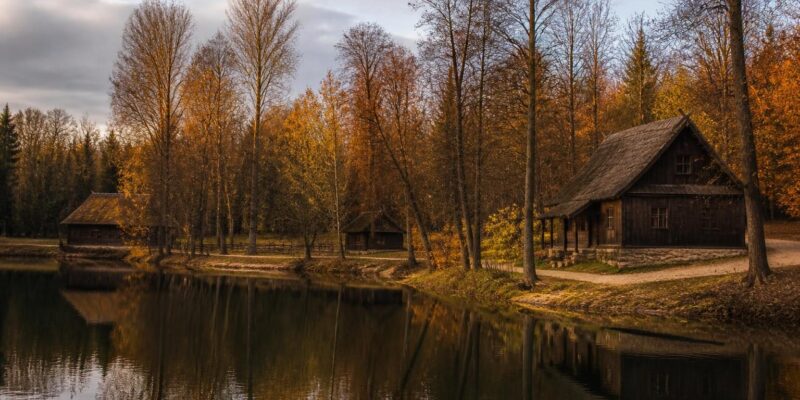
Riga has added a distinctly Latvian experience to its late-autumn visitor calendar: the “Veļi” light trail at the Latvian Ethnographic Open-Air Museum. Running from 29 October to 8 November 2026, the evening programme uses more than 20 light, sound and projection installations to interpret the traditional period known as Veļu laiks, when Latvian communities remembered ancestors and reflected on the changing season. ([lebm.gov.lv](https://www.lebm.gov.lv/lv/notikums/velu-laika-gaismas-taka?utm_source=openai))
The event is a constructive example of how cultural heritage can be made accessible without turning it into a static display. Instead of presenting folklore only through labels or daytime tours, the museum is using its historic buildings, paths and wooded landscape as a setting for an after-dark walk. For visitors, that creates a travel experience combining architecture, landscape and cultural interpretation in one of Riga’s quieter seasons.
A seasonal story told through the museum landscape
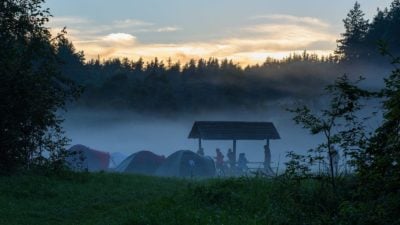
The trail takes place at the museum’s Riga site on Brīvdabas iela 21, near Lake Ķīšezers. It is open each evening from 18:30 to 21:00 during the programme period. The museum says the installations are designed to introduce visitors to the mythic world of the Latvian peasant household and to explain beliefs and customs associated with Veļu laiks. ([lebm.gov.lv](https://www.lebm.gov.lv/lv/notikums/velu-laika-gaismas-taka?utm_source=openai))
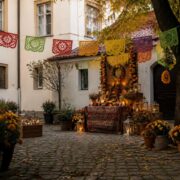
Veļu laiks is traditionally associated with the autumn period after the harvest, when families remembered the dead and considered the relationship between generations, nature and the seasonal cycle. The concept is neither a conventional Halloween attraction nor a historical re-enactment. Its emphasis is on atmosphere, memory and Latvian folklore, with the museum’s rural buildings providing the physical context.
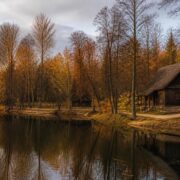
That setting matters. The open-air museum brings together historic structures from different Latvian regions, allowing visitors to encounter vernacular architecture as part of the story rather than as a separate museum object. In the evening, familiar details—wooden walls, farmyards, paths and trees—become part of a carefully lit route.
Why the programme matters for autumn travel
Riga’s autumn offer is often associated with restaurants, concerts and indoor cultural venues. The “Veļi” trail broadens that offer by giving visitors a reason to spend an evening outdoors while still engaging with a substantial cultural programme. The city’s tourism service presents it as one of the season’s notable experiences, alongside Riga Restaurant Week, Riga Music Week and the later Staro Rīga light festival. ([liveriga.com](https://www.liveriga.com/en/visit/what-to-do/things-to-do-in-riga-this-autumn?utm_source=openai))
For short-break travellers, the timing is practical. The trail runs across the first days of November, before Riga’s Independence Day programme and the Staro Rīga festival take over the city’s public spaces from 15 to 18 November. That gives visitors a chance to combine a museum evening with Old Riga, the central market, restaurants and the city’s wider autumn cultural calendar.
The event also supports a broader shift in cultural tourism: destinations are increasingly looking for experiences that distribute visitors beyond the most familiar central attractions. The museum is outside the Old Town, and its large grounds offer a different perspective on Riga—one connected to regional building traditions, rural life and the city’s relationship with its surrounding landscape.
Planning an evening visit
The trail is an outdoor experience, so visitors should plan for late-autumn conditions. Warm clothing and weather-resistant footwear are sensible choices, particularly because parts of the route pass through grassed or unpaved areas. The museum and tourism listings advise visitors to check ticket information and practical conditions before travelling. ([lebm.gov.lv](https://www.lebm.gov.lv/lv/notikums/velu-laika-gaismas-taka?utm_source=openai))
- Dates: 29 October–8 November 2026.
- Opening hours: 18:30–21:00.
- Location: Latvian Ethnographic Open-Air Museum, Brīvdabas iela 21, Riga.
- Format: More than 20 light, sound and projection installations along an outdoor route.
- Theme: Latvian folklore, mythology and Veļu laiks traditions.
The programme follows an earlier edition that received recognition at Latvia’s national events forum, including awards for its lighting and scenography. The museum’s current presentation describes the 2026 trail as a continuation of that cultural and visual approach rather than as a wholly new attraction. ([lebm.gov.lv](https://www.lebm.gov.lv/lv/notikums/velu-laika-gaismas-taka?utm_source=openai))
Heritage with a contemporary visual language
“Veļi” demonstrates how a museum can connect historical knowledge with contemporary visitor expectations. Projection, sound and lighting are familiar tools in modern cultural tourism, but here they are being used to interpret local traditions rather than to create a generic spectacle. The result is a programme rooted in place: the landscape, buildings and seasonal customs are all specifically Latvian.
For Riga, the trail is also a timely reminder that cultural travel does not have to depend on peak-season weather. Autumn’s darkness becomes part of the experience, while the museum’s heritage collection gives the event depth beyond its visual appeal. Visitors arriving in the capital between late October and early November can therefore encounter Latvia through a slower, more reflective form of evening tourism.















Comments