

 By
By 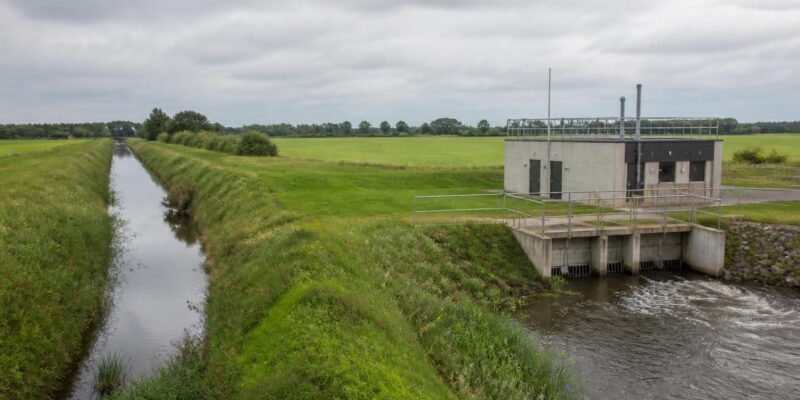
Latvia has completed a nationwide programme to restore and modernise 22 state drainage-system sites, strengthening infrastructure intended to reduce flood risks in rural areas. The Ministry of Agriculture announced the completion on September 7, 2026, after the final works were carried out in August.
The programme combined physical improvements to pumping stations, protective dams and a canal with the purchase of mobile equipment that can be moved to locations where it is needed most. The ministry said the work was designed to improve the resilience of Latvia’s state drainage network and protect residents, property, farmland, forests, roads and electricity infrastructure from inundation.
What has been completed
The completed package includes nine pumping stations, 12 protective dams and one canal. Together, the upgraded protective dams extend for 66.3 kilometres, while the restored canal covers 11.3 kilometres. The programme also included the rehabilitation of a state-significance watercourse measuring 4.5 kilometres, according to the ministry’s project summary.
Latvia has additionally acquired nine high-capacity mobile pumps and eight generators. All of the mobile units are mounted on trailers, allowing them to be transported and deployed comparatively quickly when local pumping capacity is insufficient or electricity supplies are interrupted.
The equipment is being stored in several parts of the country, including Talsi, Dienvidkurzeme, Jelgava, Ropaži, Preiļi, Valmiera and Madona municipalities, as well as in Riga and Ogre. The distribution is intended to give authorities access to equipment across Latvia rather than concentrating the response capacity in a single location.
Investment in climate adaptation
The total investment is reported at €31.3 million. Of this, €26 million came from the European Union’s Recovery and Resilience Facility and €5.3 million from Latvia’s national co-financing. The programme forms part of Latvia’s climate-change adaptation and flood-risk reduction investments under the recovery plan.
Government project information says the completed measures are expected to benefit more than 10,500 people and their properties in rural areas. The work covers municipalities in different parts of Latvia, including Dienvidkurzeme, Talsi, Ventspils, Mārupe, Ropaži, Jelgava, Ogre, Jēkabpils, Rēzekne, Līvāni and Madona.
The location list reflects the practical nature of the programme. Flood-protection infrastructure is not limited to one major river or one urban centre: it supports agricultural land, forestry areas, transport links and settlements that depend on functioning drainage systems. The EU funds portal describes the wider investment as part of Latvia’s Recovery and Resilience Plan component on climate change and environmental sustainability.
Why drainage infrastructure matters
Drainage systems play a dual role in Latvia’s countryside. They remove excess water from fields and inhabited areas, while pumping stations and dams help regulate water levels during periods of heavy rainfall or high groundwater. When this infrastructure is maintained and modernised, it can reduce the likelihood that water will damage roads, fields, homes and other assets.
The programme also illustrates how climate adaptation often takes the form of practical, distributed improvements rather than a single landmark construction project. A repaired dam, upgraded pump or mobile generator may appear modest in isolation, but a network of such measures can improve the ability of local and national authorities to manage water across several regions.
According to the Ministry of Agriculture, the new mobile pumps and generators are intended to support rapid action during high-water situations and power disruptions. The ministry linked the equipment to the need for reliable operation of pumping stations when weather conditions place additional pressure on drainage systems.
A completed milestone
The announcement comes as Latvia reports the completion of the final recovery-plan targets connected with the programme. The projects were implemented by Zemkopības ministrijas nekustamie īpašumi, the state company responsible for the relevant infrastructure, with support from the Ministry of Agriculture and European recovery funding.
For Latvia, the result is a completed national infrastructure package with clear local benefits: stronger drainage assets, better distributed emergency equipment and improved preparedness for water-management challenges. It is a practical environmental story centred on resilience, maintenance and the protection of rural communities.




















Comments