 By
By 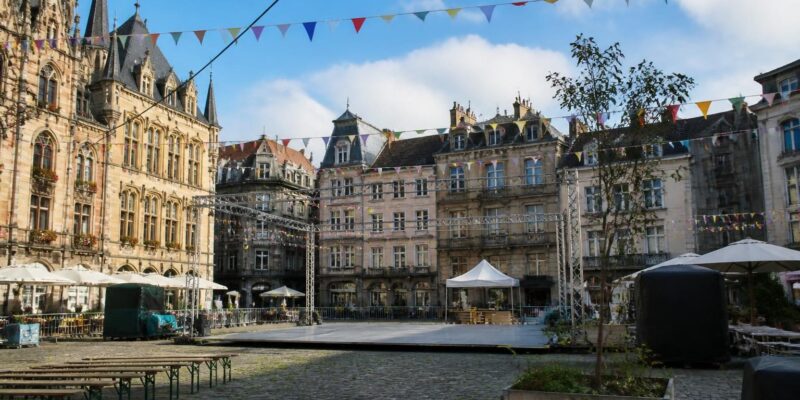
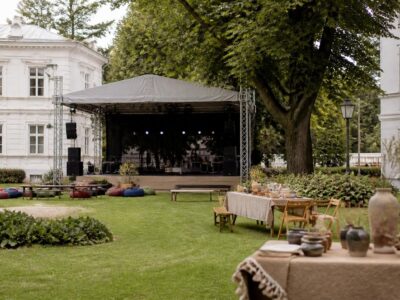
Dortmund’s city centre has become an open-air stage again this weekend as the MICRO!FESTIVAL returns on 7 and 8 August. Organised by the city’s cultural office, the free event brings international street theatre, contemporary performance, new circus, acrobatics and live music to several central locations.
The festival’s return is itself the main development. After moving to a biennial format, MICRO!FESTIVAL is back with a programme designed to make the city centre a shared public space rather than simply a route between shops, offices and transport hubs. The event is open to the public and does not require an admission ticket.
A city centre programme built for public space
According to the programme published by the City of Dortmund, this year’s edition includes 39 concerts and theatre performances by 29 artists and groups from 15 countries. The organisers describe the programme as a combination of international street theatre, global sounds and contemporary performance, presented under the principle of “free and outdoors”.
The format is deliberately broad. Audiences can encounter musical performances alongside physical theatre, circus disciplines, dance and site-specific acts. Rather than concentrating the programme inside one concert hall or theatre, the festival uses the urban centre as its setting. That allows visitors to experience individual performances while moving through the city, and it creates the possibility of audiences gathering around acts they may not have planned to see.
The city’s event listing identifies the Dortmund inner city as the venue and confirms that the festival is free of charge. The programme runs on Friday, 7 August, and Saturday, 8 August, with different starting times throughout the two days.
International connections without a formal barrier
For Dortmund, the festival offers a cultural programme with a distinctly international profile but a low threshold for participation. Visitors do not need to buy a ticket, reserve a seat or already know the participating artists. The open-air setting also makes the event accessible to people who may be visiting the city centre for other reasons and decide to stop when a performance begins.
That quality is important to the festival’s civic character. Public cultural events can create encounters between residents, visitors and performers without requiring audiences to share the same age, background or previous knowledge. In this case, the combination of music, movement, humour, physical skill and visual performance provides several ways into the programme.
The event also reflects the changing role of city centres. Dortmund, like many European cities, is seeking ways to keep central districts active beyond shopping and routine business. A free festival can bring people into streets and squares for reasons that are social and cultural. It can encourage visitors to spend time in places they might otherwise cross quickly, while giving local businesses and public spaces an additional weekend audience.
From biennial pause to renewed presence
The 2026 edition follows a change to a two-year cycle. The organisers’ announcement described the return as a renewed presentation of international music, street theatre and contemporary performance in the heart of Dortmund. The decision to continue with a biennial rhythm gives the festival a different place in the city’s calendar: it becomes a periodic cultural marker rather than an annual background event.
Its scale remains intentionally focused on the centre. The city has announced a programme of 39 concerts and performances rather than a single headline attraction. This gives the weekend a route-like quality, with audiences able to move between different venues and forms of performance.
For international readers, MICRO!FESTIVAL is also a useful example of how cultural policy can operate through public access. Its central idea is not a new building or a major permanent installation, but the temporary transformation of familiar urban spaces. Streets and squares become places for artistic exchange, and the city centre becomes a meeting point for local audiences and international performers.
What visitors can expect
The festival continues through Saturday, 8 August, in Dortmund’s inner city. The city’s calendar lists the event as free and outdoors, while the programme announcement highlights street theatre, global sounds, new circus, acrobatics and concerts. Visitors should consult the official programme for individual performance times and locations, as the schedule uses several starting times across the two-day event.
With its international line-up and open format, MICRO!FESTIVAL offers Dortmund a constructive cultural story for the end of summer: a city centre temporarily reshaped by performance, with access kept free and the programme designed for audiences who may arrive by choice, by chance or simply while passing through.







Comments