

 By
By 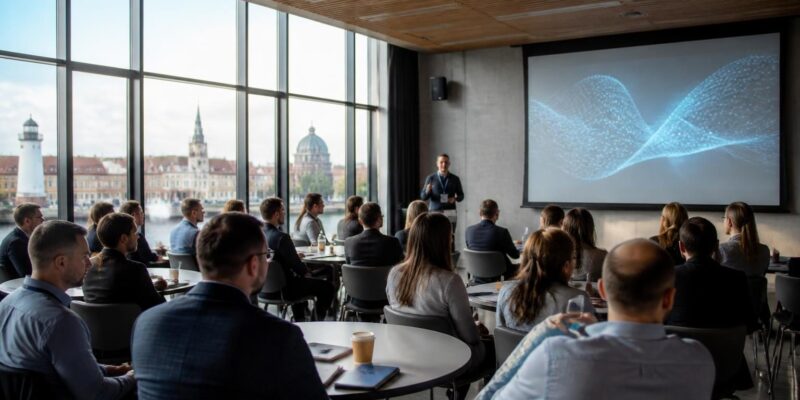
A professional meeting focused on the changing digital market
Kaliningrad is hosting Baltic Digital Days 2026 on 7–8 August, a two-day conference devoted to internet marketing, search technologies and the practical use of digital tools in business. The main programme is scheduled for Saturday, 8 August, following an opening day of informal networking and professional meetings in the coastal town of Yantarny.
The event is organised as the 14th edition of a conference that has been held annually since 2013. Its programme reflects a market in transition: alongside established subjects such as search-engine optimisation, traffic and performance marketing, the organisers have placed artificial intelligence, generative search and the management of in-house teams among the central themes.
For Kaliningrad, the conference offers a neutral example of the region’s role as a meeting place for professional communities working in the online economy. Rather than presenting a single product or sector, Baltic Digital Days is structured around practical cases, specialist presentations and discussion between agencies, technology companies, entrepreneurs and marketing departments.
Eight parallel sections for specialists and business leaders
According to the organiser’s programme information, the business day includes eight parallel sections. They cover SEO, traffic, AI and GEO, agency management, in-house marketing, investment and a panel discussion on the state of the market. GEO refers to the growing effort to make company information visible in answers produced by generative artificial-intelligence systems, rather than only in conventional search results.
The conference’s official preview says speakers will examine how artificial intelligence is changing search and promotion, how companies measure the impact of digital activity and how teams can connect online work with wider business goals. The emphasis is therefore less on abstract forecasts than on examples of campaigns, experiments and management decisions.
From search rankings to AI-generated answers
One of the more distinctive features of the 2026 programme is its attention to the way people increasingly discover information through AI-based answers and recommendations. This raises practical questions for businesses: which sources are used by automated systems, how brands are represented, how visibility can be measured and how organisations can maintain accurate public information.
These questions are relevant beyond marketing agencies. They affect tourism organisations, cultural institutions, educational projects, technology companies and small businesses that depend on online discovery. A local conference that brings these subjects together can provide a useful setting for comparing approaches and explaining technical changes in accessible professional language.
A two-part format combining contacts and formal sessions
The first day, Friday, 7 August, is planned as a networking programme in Yantarny on the Baltic coast. The second day moves to the Stein Fort area near Kaliningrad for the main presentations, themed sections and panel discussion. The organiser describes the format as a combination of professional exchange and concentrated learning, allowing participants to meet before the formal sessions begin.
Such a structure is common at specialist conferences, but it also gives the event a distinct regional character. The coastal setting is part of the meeting’s identity, while the main programme places the discussion within a purpose-built historical venue rather than a conventional corporate office.
Why the event matters locally
Digital skills have become relevant to almost every part of the regional economy. Businesses need to understand changing search behaviour, public institutions need to communicate clearly online, and entrepreneurs increasingly rely on digital platforms to reach customers beyond their immediate location. Conferences such as Baltic Digital Days create a temporary classroom for those practical challenges.
The event is not a university course or a public technology festival. It is a professional conference with paid participation and a specialist audience. Its constructive value lies in the exchange of working methods: participants can compare tools, question speakers, discuss management problems and take ideas back to their own organisations.
With its 8 August programme, Kaliningrad becomes a venue for a conversation about how online communication, artificial intelligence and business practice are being reshaped in 2026. The subject is technical, but its consequences are increasingly part of everyday economic and civic life.



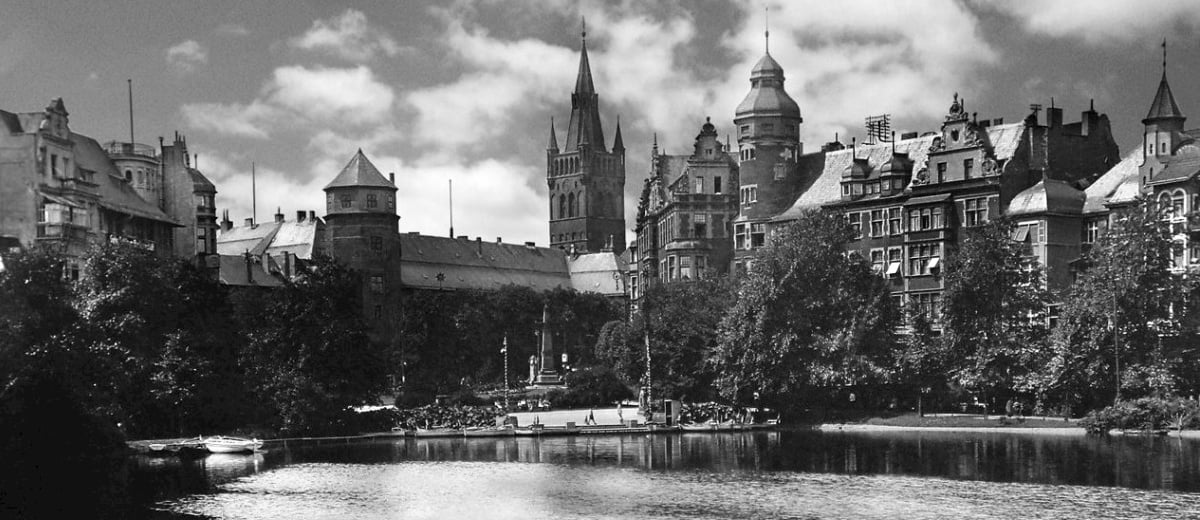
:quality(70)/cloudfront-us-east-1.images.arcpublishing.com/mco/VQX4QS3VYBE7JNOY3GDKO477PU.jpg "Kaliningrad is on the center of a dispute between Russia and Lithuania")










Comments