 By
By 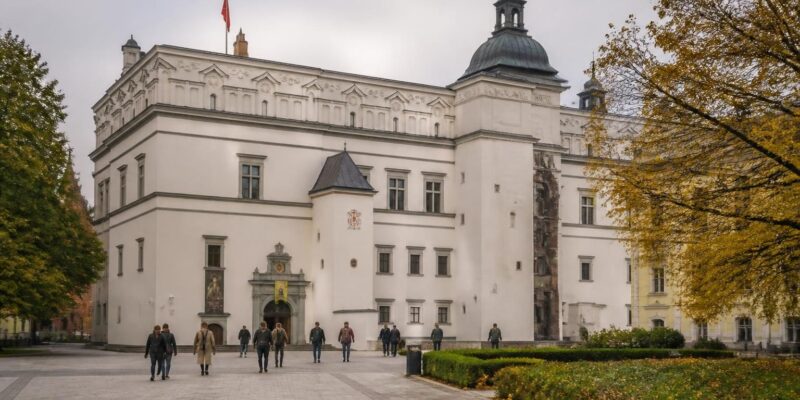
Vilnius is this week hosting one of Europe’s largest gatherings for museum professionals, with the NEMO European Museum Conference taking place from 11 to 13 October 2026. The event has brought nearly 300 museum, heritage and technology specialists to the Lithuanian capital for a discussion framed around a deliberately human question: how should museums respond to a rapidly changing digital world without losing their role as places of memory, trust and shared experience?
The conference, titled “Human after all – Museums in the wake of AI”, began on Sunday and continues through Tuesday. It is being organised by the Network of European Museum Organisations, the Lithuanian Museums Association and the National Museum of Lithuania. According to the Lithuanian National Museum, participants from more than 30 countries are taking part.
A European conversation hosted in Vilnius
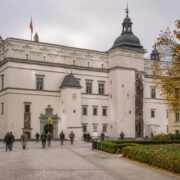
The choice of Vilnius gives the conference a setting that combines a UNESCO-listed historic centre with a broad network of national, university and contemporary museums. The main venue is the Palace of the Grand Dukes of Lithuania, while the programme also uses the Old Arsenal and several museums across the city.
The conference’s cultural programme includes visits and guided tours connected with Vilnius’s historic architecture, university heritage and museum collections. The organisers have presented the city not simply as a backdrop, but as part of the professional exchange: a place where historic institutions, newer cultural spaces and public-facing museums operate within a walkable urban environment.
For Lithuania’s museum sector, hosting the event offers an opportunity to present its work to an international professional audience. The National Museum of Lithuania has said that the conference should strengthen the visibility of Lithuanian museums in Europe and create space for direct cooperation among museum specialists.
From technology to public trust
Artificial intelligence is present throughout the programme, but the conference is not framed as a technology showcase. Its central concern is how museums can use new tools while protecting professional judgement, cultural stewardship and meaningful relationships with audiences.
Sessions examine subjects including AI strategy, institutional change, future audiences, digital literacy and ethical questions surrounding automated systems. The programme also addresses how museums can help visitors assess information critically at a time when synthetic images, text and audio are becoming easier to produce.
One Monday session, “Museums as civic actors in the wake of AI”, considers the role cultural institutions can play in strengthening trust, participation and social cohesion. The discussion links the museum’s traditional work with collections and interpretation to a wider public responsibility: helping people navigate complexity without surrendering curiosity or independent thought.
Practical ideas for a changing sector
The organisers have combined strategic discussions with hands-on workshops and smaller working sessions. The format is intended to move beyond general predictions about artificial intelligence and toward questions that museum teams are already facing: how to develop responsible policies, how to prepare staff for new forms of work, and how to preserve the human value of encounters with objects, places and stories.
Cybersecurity also appears in the programme as an institutional preparedness issue. In this context, it is discussed alongside governance, ethics and organisational resilience rather than as a matter of political confrontation. The emphasis is on helping cultural organisations understand changing risks and build practical capacity while continuing to serve the public.
The conference also creates a channel for younger museum professionals in the Baltic region. NEMO previously offered travel and conference grants for early-career specialists from Estonia, Latvia, Lithuania and Poland, supporting wider participation in the European museum conversation.
Why the discussion matters beyond museums
Museums are often described as custodians of the past, but the Vilnius conference treats them as active institutions shaping how societies understand the present. Their collections provide evidence and context; their exhibitions influence how audiences encounter unfamiliar ideas; and their public programmes can create space for dialogue across generations and communities.
That makes the question of artificial intelligence a cultural one as much as a technical one. Automated tools may assist with cataloguing, translation, accessibility, research and audience engagement, but they do not remove the need for curatorial responsibility or human interpretation. The conference’s underlying argument is that technological change makes those responsibilities more visible.
As the event continues in Vilnius on 12 October, its most constructive contribution may be the opportunity to compare experiences across institutions and countries. Rather than presenting a single model for the museum of the future, NEMO is giving professionals a forum to test ideas, identify common challenges and keep people at the centre of cultural work.
















Comments