
 By
A major autumn meeting point for Estonia’s makers
Tallinn is preparing to welcome one of Estonia’s most distinctive autumn cultural events: the St Martin’s Fair, known locally as Mardilaat. The three-day fair will take place at Unibet Arena from Thursday, 5 November, to Saturday, 7 November 2026. Organised by the Estonian Folk Art and Craft Union, the event combines a national handicraft market with demonstrations, workshops, folk music, book presentations and food.
This year’s edition is also the fair’s 30th anniversary. For travellers, that makes Mardilaat more than a shopping opportunity. It is a compact introduction to the techniques, materials and regional traditions that continue to shape Estonia’s cultural identity, while also showing how contemporary makers are adapting inherited skills for modern audiences.
Craft as a reason to visit Tallinn in November
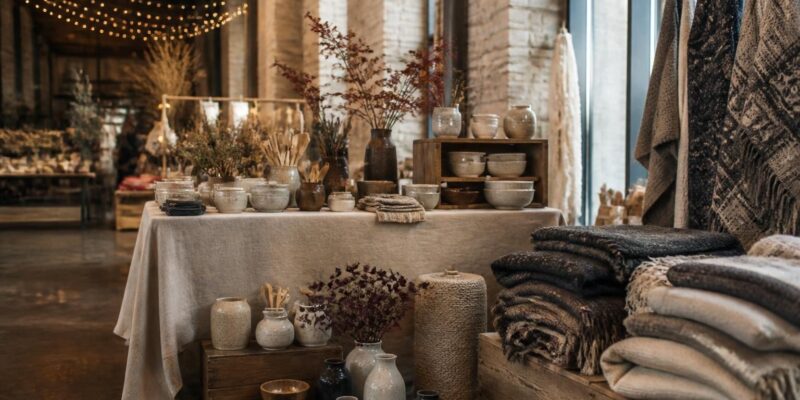
November is often associated with Tallinn’s museums, historic Old Town and concert programme, but the fair adds a more hands-on dimension to the city’s visitor offer. Master craftspeople will present and sell their work, while visitors can explore textiles, woodwork, ceramics, jewellery and other forms of Estonian design and folk art.
The Estonian Folk Art and Craft Union describes the fair as the country’s largest handicraft and folkloristic lifestyle event. Visit Estonia lists it among Tallinn’s principal November attractions and highlights its workshops for both experienced craft enthusiasts and beginners, as well as activities for children. Traditional Estonian food and folk music are also part of the programme.
That combination gives the event a useful role in cultural tourism. Visitors can meet producers directly, learn how an object was made and connect purchases with the places and traditions behind them. The format also gives regional makers an opportunity to bring local practices to the capital, where they can be encountered by residents, domestic visitors and international travellers in one venue.
From traditional skills to new formats
The 2026 theme is “Oma ja armas käsitöö”, translated as “Our own and beloved handicrafts”. The programme presents craft as both heritage and a living creative field. Alongside demonstrations and introductions to individual makers, the fair includes presentations of new products and craft-related books.
Friday evening will offer a particularly contemporary interpretation of the event. The fair’s “Craft Night” will include a yarn rave, combining knitting and crochet with a DJ-led atmosphere and dancing. Folk music will remain central, with the programme also featuring the traditional band Trifoor and performances involving fiddle, bagpipes, kannel and other instruments.
The organisers’ detailed schedule includes daily introductions to craftspeople and regional craft presentations. The programme may still be adjusted, but the structure is clear: Mardilaat is designed as an active public event rather than a static sales exhibition.
Practical information for visitors
Unibet Arena is located at Paldiski maantee 104B in Tallinn’s Haabersti district, close to Rocca al Mare. The organiser states that the venue can be reached by car and public transport. The fair is open on Thursday from noon to 7 p.m., on Friday from 10 a.m. to 9 p.m., and on Saturday from 10 a.m. to 7 p.m. There is no fair on Sunday.
Day tickets cost €9, with a €6 reduced price for pensioners and students. Admission is free for visitors aged 19 and under, according to the organiser’s visitor information. Tickets are sold through Piletilevi, while the official fair website carries the programme and visitor details.
For international visitors, the event can fit easily into a short Tallinn stay. It is close to the city’s western museum and shopping district and can be combined with a walk through the Old Town, a visit to the Estonian Open Air Museum or an evening in the capital’s restaurants and theatres.
A visible link between heritage and everyday life
Mardilaat’s strongest appeal is its directness. Estonia’s craft traditions are not presented solely as museum objects, but as skills practised by working makers and shared through conversation, demonstration and participation. That makes the fair relevant to visitors looking for a cultural experience rooted in place rather than a generic seasonal market.
As Tallinn enters the darker part of the year, the event also offers a warm indoor gathering built around materials, food, music and making. Its 30th anniversary provides a natural moment to look back at the endurance of Estonian handicrafts, while the workshops and newer formats point towards their continued evolution.















Comments