

 By
By 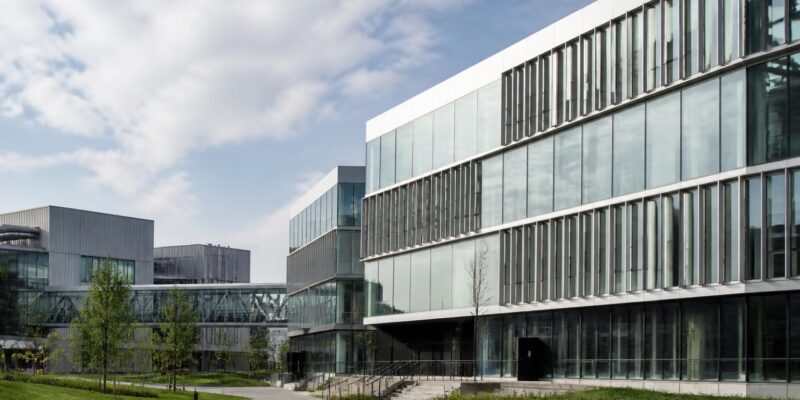
Staticus Group is preparing a €31.5 million expansion in Vilnius that will combine automated façade manufacturing, product testing and engineering development. The project, known as Campus Staticus, was granted large-scale investment project status by Lithuania’s Ministry of the Economy and Innovation on 8 September 2026.
The investment is expected to create at least 24 highly qualified jobs and bring more production activity in-house. Staticus says the new facility will manufacture aluminium and glass façade systems, including windows, doors, glazed opening elements and sliding structures. It will also introduce a hybrid timber-aluminium façade product that the company has not previously manufactured in Lithuania.
The announcement places the project within a broader shift in Lithuanian manufacturing towards automation, digital production and higher-value exports. Invest Lithuania described the expansion as an example of a Lithuanian-owned engineering company increasing the share of value created domestically rather than relying on subcontractors abroad.
A factory with an integrated laboratory
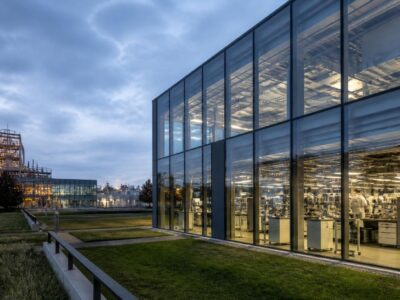
Campus Staticus is planned for the Metalo Street district, where the company already operates its headquarters and production base. The project is designed as a combined production and research environment rather than simply an additional factory floor.
Its planned components include an automated production facility, robotised process solutions, an integrated enterprise resource planning system and a façade testing laboratory. Products will be assessed on site against international CWCT, EN and AAMA standards covering performance criteria such as air, water, wind load and impact resistance.
This testing capacity is intended to support technically demanding projects in markets where façade systems must meet strict performance requirements. Staticus says the new roles will include specialists and engineers working in façade testing, structural modelling, automation, robotics, research and development, digital twins, building information modelling and information technology.
From subcontracting to more domestic production
One of the project’s stated aims is to manufacture in Lithuania products that Staticus has so far sourced from external suppliers. The company expects this to increase local added value and give its engineering teams greater control over design, testing and production.
At least 90% of the planned output is expected to be exported. Staticus identifies the United Kingdom, Scandinavia and Central Europe as its main markets, reflecting the company’s existing international business model. The group has offices in seven countries and employs more than 600 people, according to its project announcement.
The expansion could therefore have an impact beyond the number of direct jobs. By linking production with testing, software systems and research, the project is designed to support more complex orders and help the company compete for large buildings such as hospitals, data centres and other technically demanding facilities.
Timber, aluminium and lower-carbon construction
Campus Staticus will also include production of hybrid unitised timber-aluminium façade elements. The company says combining engineered timber with aluminium can reduce embodied carbon by up to 70% compared with relevant conventional solutions, although the actual result will depend on the design, materials and full life-cycle assessment of each project.
The approach reflects growing demand for building-envelope products that address both performance and environmental requirements. Façades must protect buildings from weather and heat loss while also meeting increasingly detailed expectations on material use, durability and carbon emissions.
Staticus has linked the planned facility to its wider development of digital construction and sustainable façade technologies. The project’s architectural vision was developed by Danish practice Schmidt Hammer Lassen Architects.
Construction scheduled to begin this month
Work on the project is scheduled to begin in September 2026, with completion planned for 2031. The long timetable reflects the scale of the planned facility and the integration of production, laboratory and engineering functions.
For Vilnius, the project adds another example of investment in specialised manufacturing rather than only service-sector growth. It also builds on the city’s existing concentration of engineering, information technology and research talent, which Staticus cited as one reason for expanding at its current site.
The development is not a guarantee that every expected benefit will materialise: construction schedules, hiring and export performance can change as the project progresses. But the decision marks a concrete commitment to expand advanced manufacturing capacity in Lithuania and to connect local engineering skills with international construction markets.












Comments