 By
By 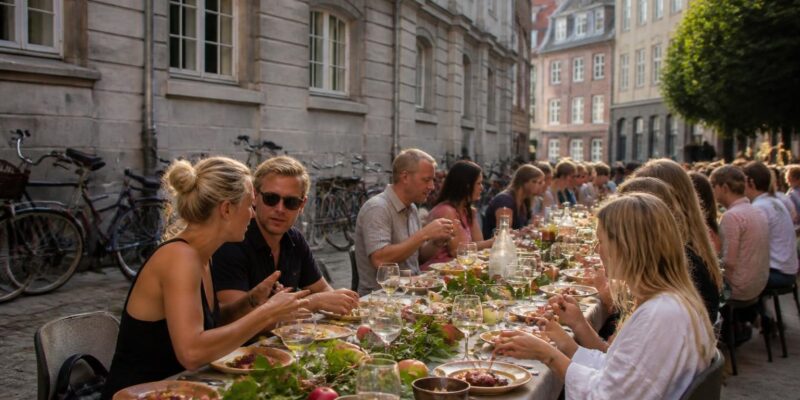
Copenhagen has turned its culinary culture into a citywide travel invitation. Copenhagen Cooking, the Danish capital’s annual food festival, began on Friday, August 21, and continues through Sunday, August 30, with a programme designed to move visitors beyond the conventional restaurant visit.
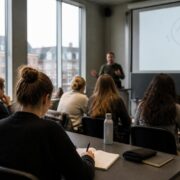
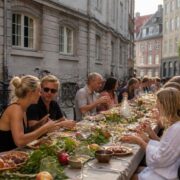
The festival brings together restaurants, chefs, producers, cultural institutions and food enthusiasts in a loose network of events. According to the organisers, the 2026 programme includes more than 100 experiences, ranging from communal dinners and workshops to tastings, talks, masterclasses and special restaurant events. The city’s official visitor service describes the festival as a ten-day celebration spread across Copenhagen rather than a single venue.
A festival built around the city
That open structure is central to the event’s appeal for travellers. There is no single route through Copenhagen Cooking. Visitors can choose experiences by neighbourhood, date, price or format, creating an itinerary that may combine a long-table meal, a visit to a market, a hands-on workshop and an evening event at a restaurant.
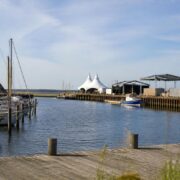
The programme reaches from Frederiksberg and Vesterbro to other districts of the capital. Some events are held indoors, while others take place in gardens, on streets, beside the water or in temporary festival settings. Many are available in English or require no particular language, making the festival accessible to international visitors as well as local residents.
This citywide format also gives the event a distinctly Copenhagen character. Rather than presenting Danish food as a fixed menu, it connects gastronomy with urban life: cycling between neighbourhoods, eating at shared tables, meeting producers and exploring parts of the city that may not appear on a conventional sightseeing itinerary.
The apple takes centre stage
For the first time, Copenhagen Cooking has chosen a fruit as its annual focus. The 2026 programme places the apple at the centre of the festival, inviting participating restaurants and food businesses to explore its varieties, flavours, colours and different culinary uses.
The emphasis is deliberately broad. Apples may appear in desserts, drinks, savoury dishes or more experimental preparations. The theme offers a simple entry point for visitors while also encouraging chefs and producers to examine a familiar ingredient in greater depth.
For a late-summer trip, the apple theme fits the season. It connects the festival to harvest traditions and to the wider Nordic interest in local, seasonal ingredients without turning the programme into a formal conference about food policy. Visitors can encounter the ingredient through a tasting, a dinner or a workshop, depending on how much time they want to spend.
Istria joins the programme
The festival’s international feature for 2026 is Istria, the Croatian peninsula selected as its friendship region. Special events bring Istrian ingredients, wines and culinary traditions into contact with Copenhagen’s restaurants and food community.
The partnership gives the programme a Mediterranean dimension while keeping the emphasis on exchange. Events listed by the organisers include Istrian-themed dinners and collaborations in which local hosts interpret the region’s food culture. For visitors, that creates an opportunity to experience two culinary landscapes in one city: Denmark’s Nordic traditions alongside the olive oil, wine and coastal influences associated with Istria.
Such cross-cultural programming also reflects the way Copenhagen Cooking has developed. The festival is not limited to promoting established restaurants. It uses temporary collaborations and shared events to create encounters between chefs, producers, cultural organisations and the public.
Kødbyen becomes a public food destination
One of the most accessible parts of the programme will be the festival site at Flæsketorvet in Kødbyen, Copenhagen’s Meatpacking District. The site is scheduled to run from Friday, August 28, to Sunday, August 30.
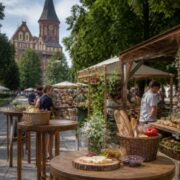
Entry to the festival area is free, although individual activities may require tickets. The organisers describe a programme of market stalls, tastings, chef presentations, workshops, talks and food-focused entertainment. Smørrebrødets Dag, dedicated to Denmark’s open-faced sandwich tradition, is among the featured activities.
The Kødbyen setting makes the final weekend particularly suitable for travellers who want an informal introduction to Danish food culture. It is possible to drop in without committing to a full evening, then continue through Vesterbro’s surrounding restaurants, galleries and public spaces. Visitors who prefer a more structured experience can reserve one of the ticketed tastings or meals.
How to approach the festival
Copenhagen Cooking rewards planning, but not necessarily a rigid schedule. Several events have limited capacity, and the festival advises visitors to use its online programme to filter by date, district, price and type of experience.
- Choose a neighbourhood and combine food with a walk or cycle ride.
- Check whether an event is in English or language-neutral before booking.
- Reserve early for communal dinners, workshops and special restaurant menus.
- Leave room for free or informal events, especially at the Kødbyen festival site.
The festival is also a useful reminder that Copenhagen’s food identity is not confined to high-end dining. Its programme includes accessible public activities, family-oriented experiences, casual tastings and shared meals alongside more specialised events.
With the 2026 edition now under way, the Danish capital is offering a constructive and distinctly local way to travel: not simply seeing Copenhagen, but eating through it. Between August 21 and 30, the city’s restaurants, streets, markets and gathering places become parts of one extended table.









Comments