 By
By 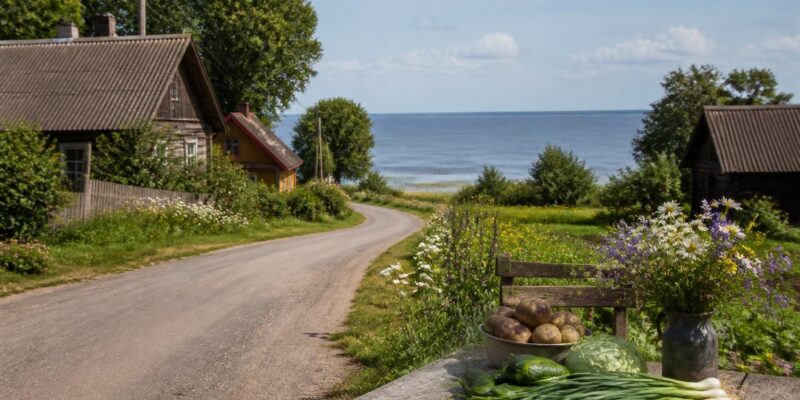
Estonia’s Peipsi region is preparing for one of the country’s most distinctive food tourism weekends: Peipsi Food Street 175 km, a two-day route of temporary restaurants, community cafés and local producers running from Vasknarva in the north to Setomaa in the south.
The event will take place on Saturday and Sunday, 15–16 August 2026. Organisers expect 40 pop-up restaurants to open along the 175-kilometre route, giving visitors a chance to travel through the landscape of Lake Peipus while tasting food connected to the area’s farms, forests, wetlands and fishing communities.
A food route rather than a single festival site
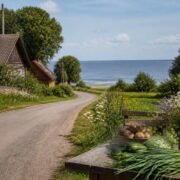
Unlike a conventional food festival concentrated in one square or exhibition ground, Peipsi Food Street is spread across villages and rural communities. The route follows the eastern side of Estonia and reaches inland toward Setomaa, making the journey itself part of the experience.
According to the event information published by Visit Estonia, the participating venues will serve both traditional and modern dishes based on regional ingredients. The organisers describe Peipsi food as produce from the lake, forests, fields, bogs and marshes surrounding the region. That broad definition reflects the area’s mixed food culture, where fishing, gardening, foraging and small-scale farming have long existed alongside one another.
The Tartu and South Estonia cultural events portal lists the opening hours as 11:00–21:00 on 15 August and 11:00–17:00 on 16 August. Admission to the overall event is free, although visitors pay individually for meals and products at the participating locations.
Local ingredients, regional stories
Fish from Lake Peipus is expected to play an important role, with the event information highlighting preparations including fried, salted, grilled, marinated and smoked fish. Fish dumplings, soups and pies are also part of the regional repertoire.
Other menus may draw on game, meat, vegetables, mushrooms and garden produce. Wild mushrooms are traditionally used in soups, pastries, salads and dumplings, while local cooks are also encouraged to reinterpret familiar ingredients in less expected forms. Previous descriptions of the event have mentioned desserts and ice cream made with ingredients such as cucumber or chanterelles, showing how the festival combines household traditions with culinary experimentation.
The emphasis, however, is not only on novelty. The event’s appeal lies in the variety of places where food is served: home-based cafés, small restaurants, village venues and community-run kitchens. Visitors can therefore encounter the region through personal hospitality as well as through the dishes themselves.
Supporting rural tourism
Peipsi Food Street also functions as a decentralised tourism initiative. Rather than asking visitors to remain in one destination, it encourages them to move between settlements, discover lesser-known roads and spend time in places that are often outside Estonia’s main tourist circuits.
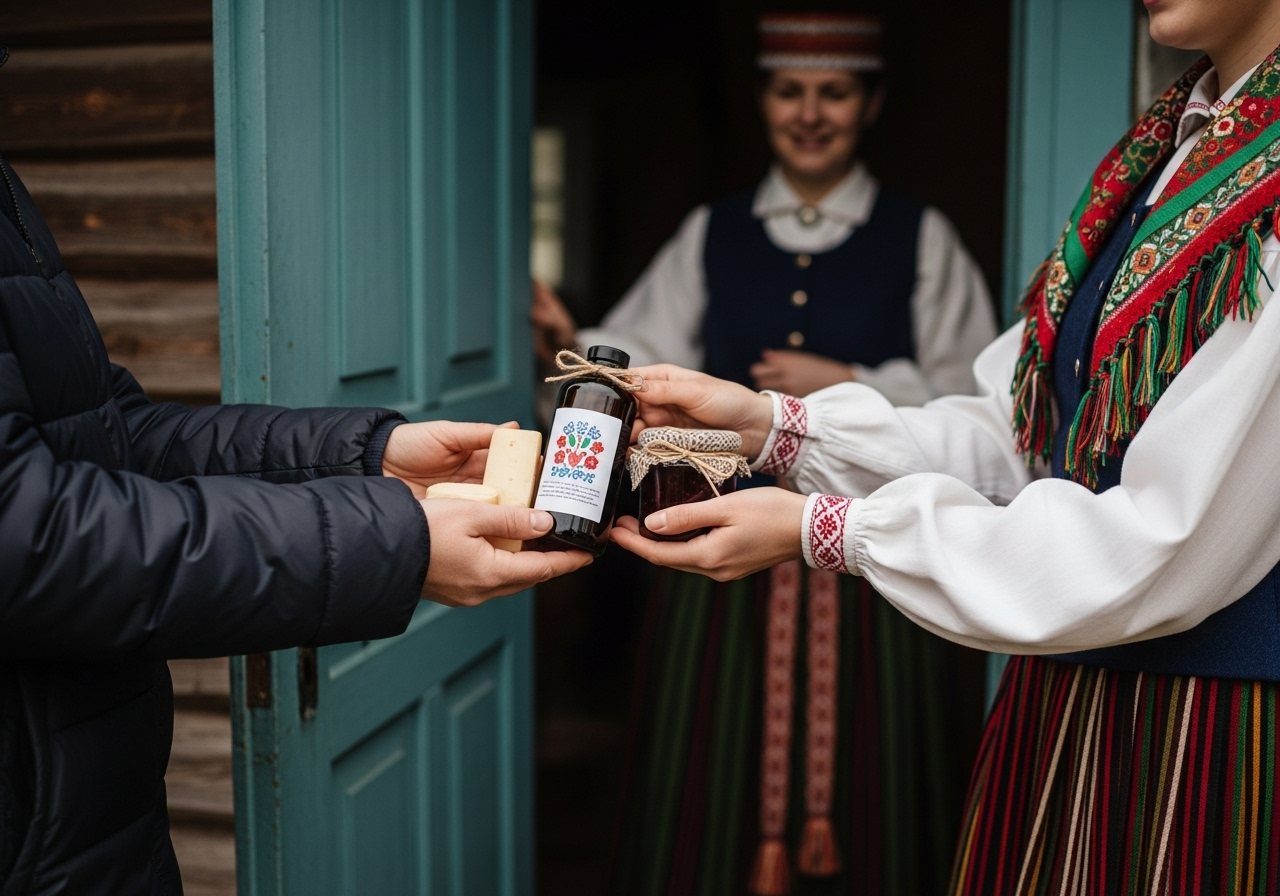
For the communities taking part, the weekend offers a way to present local products, stories and skills directly to visitors. The event information points to cultural programmes, performances and exhibitions alongside food sales. A map and itinerary for the participating venues were scheduled to be made available during the summer, allowing visitors to plan a route around their interests and available time.
The format can be especially attractive for travellers seeking a slower alternative to city tourism. A single day might combine a meal beside the lake with a visit to a farm shop, a village exhibition or a short walk through fields and woodland. The long route also makes it possible to return to the region later and explore a different section.
A meeting point for different food traditions
The Peipsi area is known for its layered cultural landscape. Communities around the lake have developed distinct culinary habits shaped by local geography, seasonal work and different historical traditions. The food street presents that diversity without turning it into a single standardised menu.
That makes the event relevant beyond gastronomy. It offers a practical way to connect food with place: onions with garden cultivation, fish with the lake, mushrooms with the forest and preserved foods with the need to make seasonal produce last through the year. The result is a regional portrait assembled from many small kitchens rather than one central stage.
Peipsi Food Street 175 km will run from Vasknarva to Setomaa on 15–16 August 2026. Visitors are advised to check the official event information and route map before travelling, as opening times and individual menus are set by the participating venues.














Comments