

 By
By 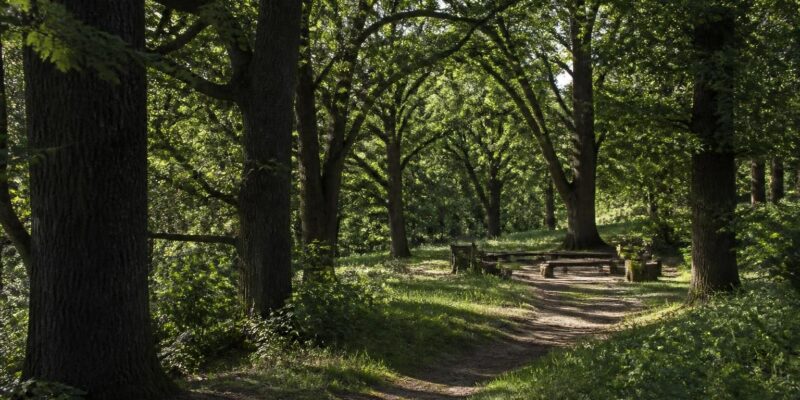
A festival built around the life of a city woodland
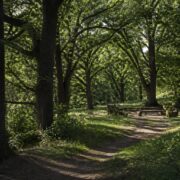
Kaunas is preparing a new community festival that places urban nature at the centre of a cultural programme. Drevės will take place on Thursday, 13 August, from 5pm in the Small Oak Grove, a wooded area connected with the city’s larger Ąžuolynas landscape.
The event is designed as a meeting point for cultural organisations, environmental educators and local residents. Rather than treating the grove as a backdrop for a conventional concert, the programme uses the site itself as a subject: visitors will be invited to listen to the woodland, learn about local species and explore how nature, history and neighbourhood life overlap in one of Kaunas’s best-known green areas.
Kaunas Municipality announced the festival on 16 July, while the Ąžuolynas Library has published the event details and programme information. The announcement describes participation by more than ten cultural organisations and community groups. ([kaunas.lt](https://www.kaunas.lt/2026/07/16/kviecia-bendruomenes-festivalis-dreves/?utm_source=openai))
From plant walks to urban biodiversity
The educational programme will introduce visitors to plants growing in the oak grove and offer a guided walk through the area. The Kaunas Tadas Ivanauskas Museum of Zoology is due to present local wildlife, while the Kaunas Zoo and the organisation Gražinkime Kauną will contribute activities linked to the natural environment.
One of the festival’s notable themes is the relationship between old trees and the species that depend on them. Organisers have highlighted the hermit beetle, or Osmoderma eremita, a rare and protected beetle associated with veteran trees and tree hollows. The species is also recognised as one of the important natural values of Ąžuolynas. The municipality has previously documented the grove’s old oaks and the fungi and insects that live in or around them. ([kaunas.lt](https://www.kaunas.lt/2026/07/16/kviecia-bendruomenes-festivalis-dreves/?utm_source=openai))
This gives Drevės a practical environmental focus without turning the event into a formal conference. The format is accessible to families, residents and visitors who may encounter biodiversity through a walk, museum display or conversation rather than through a specialist lecture.
Culture as a way of reading the landscape
The festival also brings together institutions whose usual work ranges from cinema and museums to music and neighbourhood organising. The Kaunas City Museum will discuss the historical character of the area, while the Galaunių House-Museum, Kaunas Romuva Cinema Centre, the Žaliakalnis community and the Jiesia Scout unit are listed among the participating partners.
The organisers describe the programme as an invitation to look at the city through nature, culture, alternative music and community. That combination reflects the way Ąžuolynas functions in everyday life: it is a place for walking and recreation, but also a landmark within Kaunas’s urban identity.
The musical programme will include experimental sound selections by the community radio station estakada99, a project by sound artist Marius Paulikas, and performances by the alternative rock group Eketė and the electronic and guitar post-punk group Orai. The intention is to make the grove audible as well as visible, with sound projects responding to the atmosphere of the site.
Why Ąžuolynas matters to Kaunas
Ąžuolynas is widely described by Kaunas’s tourism and municipal sources as Europe’s largest oak grove within an urban area. The protected landscape covers roughly 84 hectares and includes about 770 oaks, many of them mature trees. ([visit.kaunas.lt](https://visit.kaunas.lt/en/see-and-do/sights/nature/oak-grove-azuolynas/pdf?utm_source=openai))
Its importance is both ecological and civic. The grove provides habitat for plants, fungi, birds and insects while remaining embedded in the daily geography of the city. It is also part of the wider Žaliakalnis area, where urban development, cultural institutions and green spaces meet.
Drevės therefore offers a modest but useful model of environmental communication. It does not separate nature from city life or present biodiversity as something found only beyond urban boundaries. Instead, it asks visitors to pay attention to an existing landscape and to the communities, organisations and species that share it.
Practical information
- What: Drevės, a city nature and community festival
- When: Thursday, 13 August 2026, from 5pm
- Where: Small Oak Grove, Radastų Street 2, Kaunas
- Programme: nature walks, local biodiversity education, museum activities, community projects, sound art and live music











Comments