

 By
By 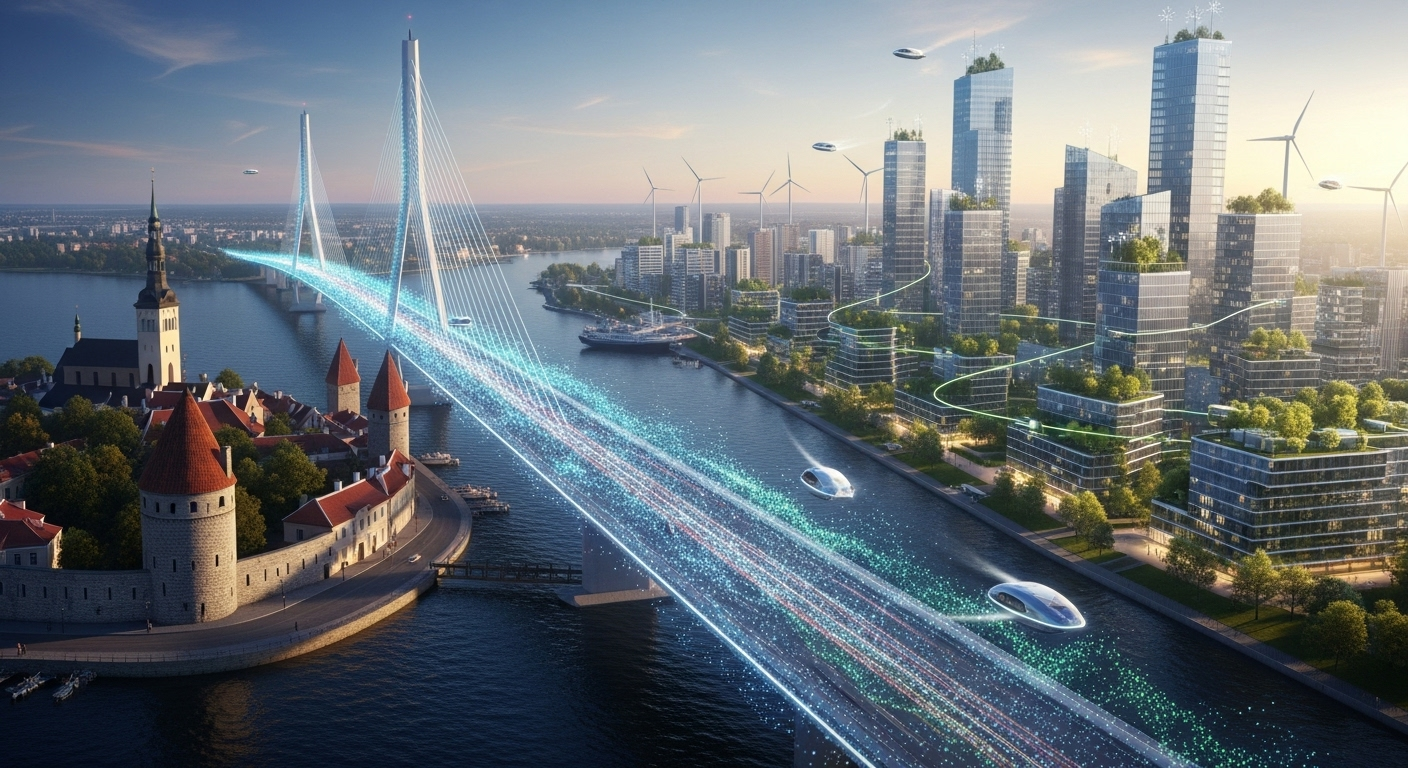
When one thinks of the Baltic states, the mind often wanders to images of medieval cobblestone streets in Tallinn, the Art Nouveau elegance of Riga, or the Baroque grandeur of Vilnius. For decades, this was their brand: historic, cultural, resilient. But to see them only through this lens is to miss one of the most compelling stories of the 21st century. This is no longer just a region of recovered history; it is a living laboratory for the future.
I have watched this transformation for years, not as a distant observer but as a chronicler of its pulse. What I’ve witnessed is something profound: the quiet fusion of two of our era’s greatest forces—the digital revolution and the green transition. The Baltics did not simply go digital; they used their newfound digital sovereignty as the foundational blueprint for an ambitious green renaissance. They are proving that for a small nation, being nimble, tech-savvy, and digitally unified isn’t just an economic strategy—it’s the ultimate tool for sustainable survival and global leadership.
The Digital State of Mind: An Indispensable Foundation
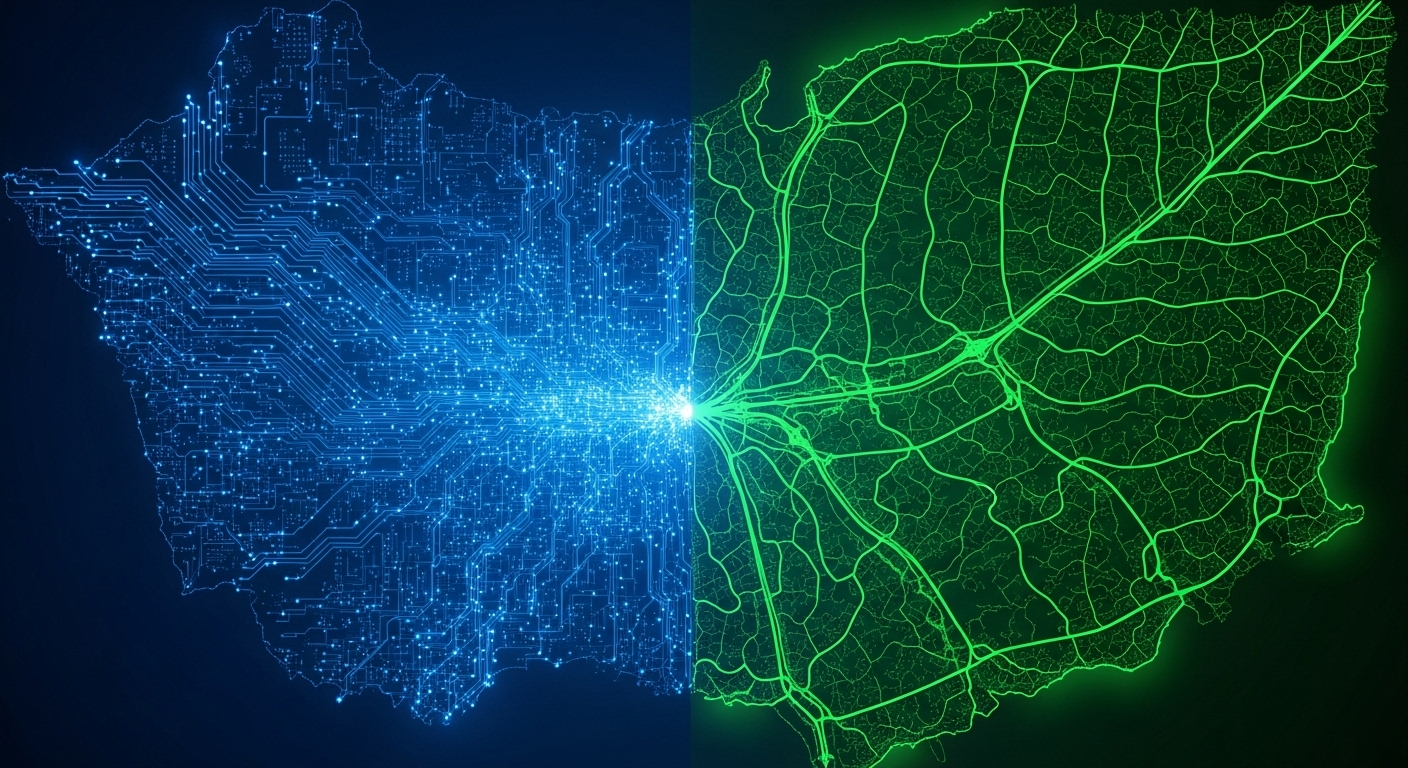
To understand their green ambitions, one must first appreciate the digital bedrock upon which they are built. This is not about apps or gadgets; it’s a fundamental rewiring of the relationship between citizen, state, and economy. Estonia pioneered the world’s first truly digital society, where 99% of government services are online. This isn’t just for convenience. This digital infrastructure—built on principles of transparency and security with technologies like blockchain—created a data-literate population and a government that could implement complex, nationwide policies with breathtaking speed.
Meanwhile, Lithuania methodically carved out a niche as Europe’s premier FinTech hub, attracting over 250 companies. This fostered an ecosystem that understands risk, regulation, and the flow of capital—all essential for financing the green transition. In Latvia, the focus on smart-city solutions in Riga, from intelligent traffic systems to energy-efficient buildings, turned the urban landscape into a testbed for sustainable technologies.
This digital-first culture did more than streamline bureaucracy; it cultivated a national mindset comfortable with disruption and rapid adaptation. When the climate crisis demanded a radical pivot, the Baltics didn’t have to build a new machine; they just had to give the existing one a new, green purpose.
A Green Renaissance, Powered by Code

This is where the story truly becomes revolutionary. The region is leveraging its digital acumen to tackle environmental challenges in ways that larger nations can only dream of.
In Lithuania, the ambition to become an energy-independent green hub is palpable. The country is not just building offshore wind farms in the Baltic Sea; it’s planning smart grids that use AI and FinTech-inspired models to manage energy distribution efficiently. Green bonds are financed through slick digital platforms, democratizing investment in renewables. Here, the digital ledger that secures a financial transaction is the same conceptual tool used to track carbon credits or guarantee the origin of green energy.
Latvia, a country where forests cover over half the territory, is transforming its traditional timber industry into a model of smart forestry. Drones and IoT sensors monitor forest health, prevent illegal logging, and optimize sustainable harvesting. In Riga, data from smart meters isn’t just used for billing; it’s fed into urban planning algorithms to identify energy-inefficient buildings and target retrofitting programs. It’s a pragmatic, data-driven approach to conservation.
Estonia is taking its e-governance prowess and pointing it toward the environment. Imagine a system where environmental impact assessments for new constructions are processed digitally in weeks, not years; where pollution data is tracked in real-time and is accessible to every citizen; and where the famed e-Residency program is used to attract “green tech” startups from around the globe, offering them a frictionless, digital environment to innovate. This is already happening.
The Small State Paradox: Agility Over Scale

From my vantage point, the most fascinating element is what I call the “Small State Paradox.” In a world where scale is often equated with power, the Baltics have turned their size into their greatest asset. A nationwide policy change that would take years of bureaucratic wrangling in Germany or France can be debated, legislated, and implemented here in a matter of months.
This agility is a superpower in the climate race. When every government has access to the same climate science, the winners will be those who can act on it the fastest. The digital cohesion of the Baltic states means there is less friction between policy-making and real-world execution. An update to the national digital ID system can be rolled out overnight; a new regulation for renewable energy can be integrated into the system with equal speed. They are, in essence, small, agile vessels able to change course instantly while the supertankers of the global economy are still struggling to turn the wheel.
This isn’t a story about three small countries on the periphery of Europe. It’s a glimpse into the future of governance, where digital infrastructure and environmental ambition are one and the same. The Baltic states have composed a new symphony, where the crisp, clean notes of digital code harmonize with the deep, resonant chord of a sustainable future. And the world would be wise to listen.
Infographic: The Baltic Green-Digital Nexus
The Baltic Green-Digital Nexus
How Lithuania, Latvia, and Estonia are leveraging digital leadership to pioneer a sustainable future.
Part 1: The Digital Foundation
Estonia’s E-Governance
Estonia’s comprehensive digital society creates the bedrock for rapid, nationwide policy implementation.
Lithuania’s FinTech ecosystem provides the financial innovation necessary to fund the green transition.
Latvia’s focus on smart infrastructure and connectivity makes its cities testbeds for green technologies.
Part 2: The Green Transition, Powered by Code
Renewable Energy Share (% of Gross Final Energy Consumption)
While starting from different points, all three nations are aggressively pursuing renewable energy, with Latvia already a European leader primarily due to its hydropower resources.
Green-Tech Investment Growth (Millions EUR)
Investment in Baltic green-tech startups is showing exponential growth, fueled by a mature digital ecosystem and strong policy support.
Flagship Green-Digital Initiatives
🇱🇹 Lithuania
Leveraging its FinTech hub to launch digital green bonds and develop AI-powered smart grids for its future offshore wind farms.
🇱🇻 Latvia
Deploying IoT sensors and drones for sustainable “smart forestry” and using big data for energy-efficient urban planning in Riga.
🇪🇪 Estonia
Using its e-governance platform for real-time environmental monitoring and attracting global cleantech startups via its e-Residency program.
Part 3: The Small State Advantage
Agility Over Scale
The Baltic states’ compact size and digital cohesion allow for rapid policy implementation. A nationwide digital service update or new green regulation can be deployed in months, not years, creating a key advantage in the fast-paced climate race.
Global Competitiveness (2024 Rankings)
High rankings in digital and business indices demonstrate the solid foundation upon which their green ambitions are built.
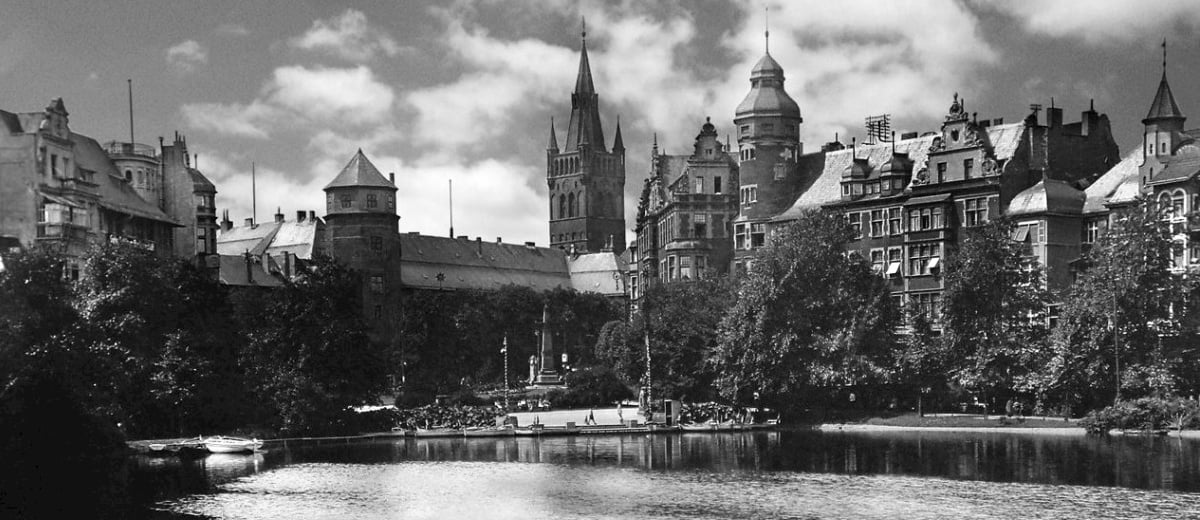
Photos: Associative images by “Sagittarius Studio”
















Comments