 By
By 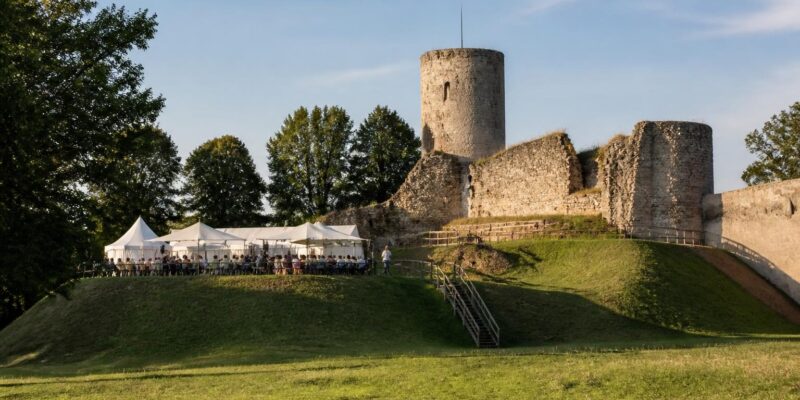
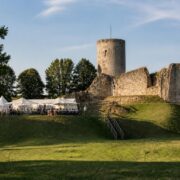
Paide’s historic Castle Hill becomes the centre of Estonia’s civic and cultural life on Friday, August 7, as the 2026 Opinion Festival opens for a two-day programme of public discussions, workshops and community activities. The festival continues through Saturday, August 8, offering an open setting for people to listen, ask questions and exchange ideas on issues connected with everyday life and Estonia’s future.
The event is one of the country’s best-established discussion festivals. Organisers describe it as Estonia’s largest platform for public debate, while the municipality of Paide identifies it as a major annual event for the town and the wider Järva region. The 2026 festival is being held under the broad theme of dialogue: the organisers emphasise the ability and willingness to address differences through conversation rather than confrontation. ([arvamusfestival.ee](https://arvamusfestival.ee/?utm_source=openai))
A public meeting place in a small town
Unlike a conventional conference held in a single auditorium, the Opinion Festival spreads across Paide Castle Hill and its surrounding areas. Visitors move between discussion spaces, outdoor stages and activity zones, creating a format that combines public affairs with the atmosphere of a summer town festival.
The programme is designed for a wide audience rather than a specialist professional group. The official festival description lists entrepreneurs, politicians, researchers, civil-society representatives, cultural figures and members of the public among those who meet in Paide. The event’s organisers say that more than 9,000 people gather over the two festival days, making the occasion significant both as a national meeting point and as a local cultural event. ([arvamusfestival.ee](https://arvamusfestival.ee/?utm_source=openai))
Discussion areas address themes including education, climate, technology, culture and ordinary community life. The range is intentional: the festival treats civic culture not only as a matter for elected officials or academic experts, but also as something shaped by families, local organisations, businesses and visitors willing to take part.
Dialogue beyond the discussion stages
The 2026 programme also includes music, poetry, workshops, children’s activities and informal meeting areas. These elements give the festival a more relaxed character and help connect structured debate with the social habits of a town centre: walking, stopping, listening and encountering people with different experiences.
For Paide, the festival has become part of the city’s identity. The municipality has described the event as a civic initiative supported by volunteers, partners and local government. Paide’s role is not simply to host a temporary programme; the town presents itself as a meeting place where national conversations can take place in a smaller and more accessible setting than the capital.
The festival is also open to young visitors. Estonia’s national youth information portal Teeviit lists the event as a free public festival in Paide and presents it as a place where people can listen, think, ask questions and participate in conversations about society. ([teeviit.ee](https://www.teeviit.ee/sundmus/arvamusfestival/?utm_source=openai))
Why the event matters culturally
Public discussion festivals occupy an unusual space between culture, education and civic life. They do not produce a single performance or exhibition, yet they create a shared cultural experience through conversation. Their value lies partly in the setting: a historic landscape becomes a temporary public room where ideas are presented alongside music, food, children’s programming and the rhythms of a summer weekend.
That combination is particularly visible in Paide. The town’s compact centre allows the festival to remain walkable, while Castle Hill provides a distinctive historical backdrop. Visitors can therefore experience the event both as a programme of discussions and as a way of exploring one of Estonia’s smaller regional centres.
The organisers’ emphasis on listening and constructive exchange also gives the 2026 edition a clear public purpose. The festival does not require visitors to arrive with a fixed position. Instead, its format encourages them to compare viewpoints, learn from participants and discover subjects outside their usual interests.
A weekend invitation to Paide
With the programme now public and the event opening on August 7, the Opinion Festival offers a timely cultural destination for the second weekend of August. Its appeal is broad: visitors may come for a particular discussion, a workshop, the children’s area, the cultural programme or simply the atmosphere of a town temporarily organised around ideas.
In a country where cultural life often extends beyond traditional concert halls and museums, Paide’s festival demonstrates how public conversation can itself become a form of cultural participation. For two days, the town invites Estonia to slow down, meet in person and consider how shared ideas are formed.





Comments