 By
Latvia is preparing to place sports science closer to everyday decision-making. On Thursday, November 26, researchers, policymakers, municipal representatives and sports-sector professionals will gather in Riga for a forum devoted to turning research findings into practical measures for the country’s sports system.
The event, titled “Science for the Development of Latvian Sports”, will be hosted at Rīga Stradiņš University’s sports complex on Cigoriņu iela. The programme is built around results and recommendations from the State Research Programme “Sports”, including the project known as #IMRSportsLV. The forum will also be streamed online, widening access beyond the participants attending in person. ([researchlatvia.gov.lv](https://www.researchlatvia.gov.lv/index.php/en/events/discussion-forum-science-development-latvian-sports?utm_source=openai))
From research results to decisions
The central question is practical: how can scientific findings influence the way Latvia trains young athletes, designs sports services and assesses the benefits and risks of physical activity? Rather than presenting research as an end in itself, the organisers intend to use the findings as a basis for discussions between scientists and the people responsible for implementing recommendations.
That approach reflects the broad scope of the national programme. Sports research is not limited to elite performance. It can also contribute to public health, municipal planning, inclusive participation and the efficient use of public resources. By bringing these perspectives into one forum, the organisers are presenting sport as a field that connects education, health, technology and local development.
Youth health is a central theme
The first discussion will focus on children and young people. Researchers, healthcare professionals, coaches, sports organisations and decision-makers are expected to examine how evidence can improve training processes, reduce health risks and support the long-term development of youth sport.
This emphasis is significant because children’s sport often involves several groups with different responsibilities. Coaches guide training, families make participation possible, clubs organise activities, municipalities provide facilities and health professionals may identify problems or advise on prevention. A research-based conversation can help these groups work from a more consistent understanding of safe and appropriate physical activity.
The forum’s organisers also place long-term development alongside safety. The objective is not simply to reduce immediate risks, but to consider how young people can remain active and supported as their physical abilities, interests and circumstances change.
Making adapted sport more accessible
A second discussion will address adapted sport for children, young people and adults with disabilities. The stated aim is to identify ways to develop a system that is both accessible and sustainable.
That means looking beyond individual programmes. Access to adapted sport depends on suitable facilities, trained professionals, appropriate equipment, transport and the ability of organisations to maintain activities over time. Bringing researchers and practitioners together may help identify where existing knowledge can support better planning and where further evidence is needed.
The subject also places inclusion within the wider development of Latvia’s sports system. Participation is treated not as a specialist issue, but as part of the question of how sports services should be designed for different groups in society.
Health, technology and infrastructure
Another session will examine the relationship between physical activity and health, including the need to assess risks in recreational sport more systematically. Experts will discuss how exercise can be adapted to different population groups and how safe participation can be encouraged.
The final discussion will turn to the sector’s socioeconomic indicators, infrastructure and use of resources. These subjects are closely connected. Decisions about facilities affect who can take part, how often activities can be offered and whether municipalities can maintain services efficiently.
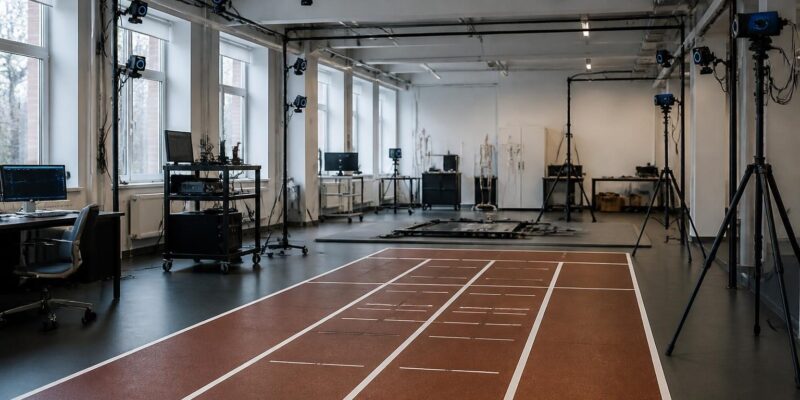
An accompanying sports science and technology exhibition will run from 9:30 a.m. to 4:30 p.m. Visitors will be able to see research achievements and technology developed through the #IMRSportsLV project. The exhibition gives the forum a more tangible dimension by showing how research can be connected to measurement, training and health-related practice. ([researchlatvia.gov.lv](https://www.researchlatvia.gov.lv/index.php/en/events/discussion-forum-science-development-latvian-sports?utm_source=openai))
A wider role for universities
The forum also illustrates the expanding role of universities in public policy discussions. Rīga Stradiņš University is organising the event with cooperation partners, while the research programme brings together expertise relevant to medicine, health, engineering, social science and sports practice.
For Latvia, the value of the meeting will depend on what happens after the discussions. Research can inform policy most effectively when recommendations are clear, responsibilities are understood and organisations have the capacity to apply them. The Riga forum is therefore best understood as a bridge between evidence and implementation.
Its timing also gives the event a forward-looking character. By placing youth health, adapted sport, safe physical activity, technology and infrastructure on the same agenda, Latvia is preparing a broader conversation about what a healthy and sustainable sports system should look like.









Comments