

 By
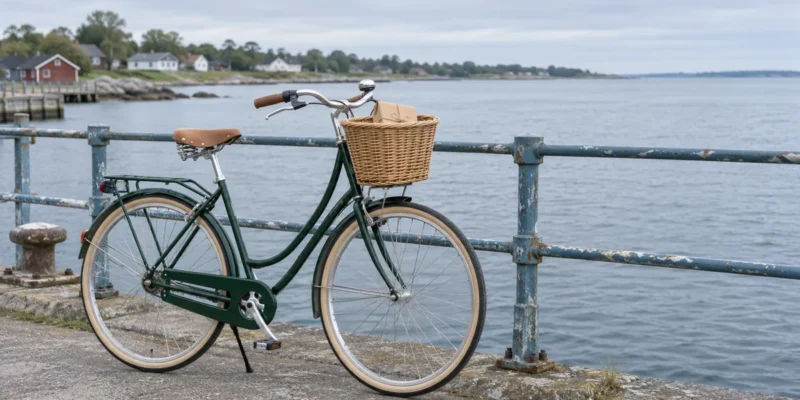
A cycling trip can look beautiful in photographs and still feel difficult to explain in a short video. A harbour, a forest lane, and a small bakery are three locations, but they are not automatically a story. For a proposed Baltic weekend film, I would build the journey around a simpler idea: leaving the busy waterfront, finding a quieter road, and returning with something worth remembering. The destination details would come from real research; the generated scenes would serve as clearly identified visual illustrations.
My starting point for the film is the AI video service that seedance3.is markets as seedance 3.0. The site says the service accepts text prompts, images, video clips, and audio references. That combination suits a travel concept because a written route description alone cannot communicate everything. A photograph can establish a bicycle’s appearance, a short movement reference can suggest camera pace, and an ambient recording can help define the atmosphere. I would give each reference one clear job instead of expecting a large pile of uploads to explain the entire weekend.
Give the journey a beginning and an arrival
The finished concept would run for about thirty seconds, assembled from several short generated clips in an editor. Its six moments would be a bicycle beside the harbour, a hand checking a route card, tyres passing through a shaded lane, a stop outside a bakery, a parcel placed in the front basket, and a final view back towards the water. That is enough activity to suggest a small excursion without inventing a dramatic adventure or making promises about an actual tour.
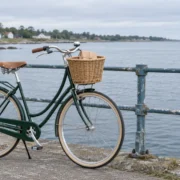
I would write the final shot first. The basket now contains a paper parcel, and the rider pauses beside the same blue rail seen at the opening. That small change gives the sequence an ending. It also supplies a practical continuity test: the bicycle, rail, clothing, and weather need to remain recognisable. If those details drift, the viewer may read the closing image as a different place rather than the return from a journey.
Prepare references that describe the same world
For the bicycle, I would prepare a clean side view and a closer image of the basket and handlebars. Both should show the same dark green frame, tan saddle, and plain woven basket. A separate clothing reference would establish a rust-coloured jacket and dark trousers. I would avoid prominent logos, detailed writing, and accessories that have no role in the story. Every additional object creates another thing to check between shots.
The location material would be equally restrained. A licensed harbour photograph could guide the overall colour and light, while an original sketch could show the desired framing without pretending to document a specific landmark. With Seedance 3.0, the prompt would assign those roles explicitly: keep the bicycle design from the product images, borrow only the soft morning light from the harbour reference, and follow the sketch for the camera position. A real destination name would appear only when the visual details had been checked against that place.
Direct motion one decision at a time
The opening could begin with a fixed camera at basket height. The bicycle occupies the left third of the frame, water sits behind it, and a sleeve enters from the right to take the handlebar. The instruction would describe one action, one camera position, and one lighting condition. I would not combine a sweeping aerial move, a sudden close-up, and a change of weather in that same short generation. A calm opening leaves room for movement later.
For the forest lane, I would separate rider movement from camera movement. The rider travels steadily away along the path while the camera follows at a slow, consistent distance. A short reference clip could communicate that tracking speed. In Seedance 3.0, I would describe the reference as a guide to movement rather than a source of scenery. The trees, bicycle, and clothing would still come from the established visual plan. This keeps a useful motion example from accidentally changing the whole setting.
The bakery scene needs a different rhythm. A locked frame could hold on the basket while a paper parcel enters from above. The shot does not need a busy street, several customers, a readable menu, and a complicated exchange of money. Those details would add checking work without improving the central idea. A simple hand movement and a gentle rustle would communicate the stop more effectively, provided the parcel lands naturally and does not merge with the basket rim.
Use sound to connect the cuts
I would collect or license a small set of sounds: waterfront ambience, a bicycle freewheel, soft tyre noise, and paper movement. These would support the picture rather than compete with it. When supplying audio to Seedance 3.0, I would identify whether it is intended to guide the atmosphere or the timing. A rhythmic track might help with pacing, but the visual action should remain understandable when the music is muted.
The edit could carry a little harbour ambience across the first cut and let the freewheel sound begin before the lane appears. That creates continuity without requiring an elaborate transition. I would listen on headphones for abrupt changes in background noise, then check through a phone speaker because subtle sounds can disappear there. Any generated audio that sounds metallic, repeats strangely, or conflicts with the visible action would be replaced or removed during the final edit.
Reserve time and budget for the difficult shot
The hand placing the parcel is likely to need more scrutiny than the empty harbour. Fingers, paper folds, and contact with the basket all have to work together. I would plan the revision budget around that shot instead of dividing it evenly across the six scenes. Before deciding how many alternatives to generate, I would compare the current seedance 3.0 pricing options against the intended clip settings and leave room for corrections. A fixed assumption about cost would be less useful than checking the available settings at production time.
My review notes would describe observable faults: the basket changes shape, the jacket becomes red, or the wheel slides sideways. Those notes are easier to act on than a vague instruction to make everything more cinematic. For another Seedance 3.0 pass, I would change the instruction related to the fault and preserve the rest of the scene. If a movement keeps failing, simplifying the framing may be a better creative decision than requesting increasingly elaborate motion.
Deliver a travel concept viewers can understand
The final review would cover the whole sequence, not just its strongest frame. I would check the bicycle’s direction, the parcel’s presence after the bakery stop, the position of the sun, and the amount of time each action needs to read. A vertical version would get its own framing review so the basket and rider remain visible. Any captions would be added in the editor, where names and route details can be checked directly.
I would label the finished piece as an AI-generated travel concept and keep practical destination information separate from imagined scenes. The aim is to show a possible mood and narrative, not to manufacture evidence of a completed trip. With a small story, carefully assigned references, and a deliberate review process, a few short clips can communicate the pleasure of a cycling weekend: departure, discovery, and a quiet return.









Comments