 By
By 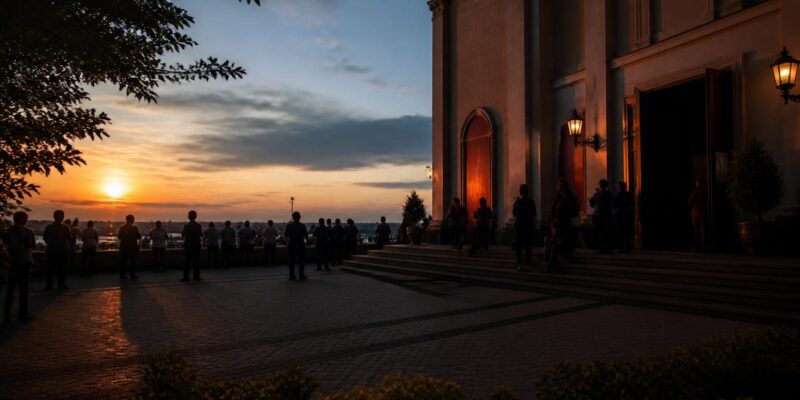
Kaliningrad is preparing for one of its most recognisable annual cultural events: the Koroche festival of short and debut cinema, scheduled for 18–23 August 2026. The event’s official website has confirmed the dates for the XIV edition, while the Kaliningrad regional tourism centre lists the festival among the summer’s principal cultural attractions.
Koroche is built around a simple idea: short films can provide an accessible first platform for filmmakers who are still developing their careers. The festival’s organisers describe the event as a place where new directors and creative teams can present their work to audiences, industry professionals and a jury. That focus gives the festival a role beyond a conventional cinema programme. It also makes the event a useful annual snapshot of emerging filmmaking.
A festival focused on discovery
According to the official festival website, Koroche receives more than 2,000 submissions each year from different Russian regions and other countries. The organisers select films made in Russian for presentation and professional assessment. The regulations for the 2026 edition identify the festival as a competition for short films and debut cinema, with the stated aim of supporting creative experimentation and opening the way for new names.
The structure is particularly suited to short-form cinema. A short film can test an idea, a visual language or a new collaboration without requiring the production scale of a feature. For viewers, the format allows several distinct stories to be encountered in one sitting. For the filmmakers, a festival screening can provide feedback and visibility at an early stage.
From specialist gathering to city event
Koroche is not confined to a single screening room. The regional tourism centre’s event listing places the 2026 festival in Kaliningrad’s Central Park and the city’s cinemas, while the broader festival listing describes a combination of public and cinema venues. The arrangement helps connect film culture with everyday urban life: visitors can move between screenings, parks and the city’s established cultural spaces rather than treating the festival as an isolated industry meeting.
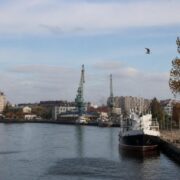
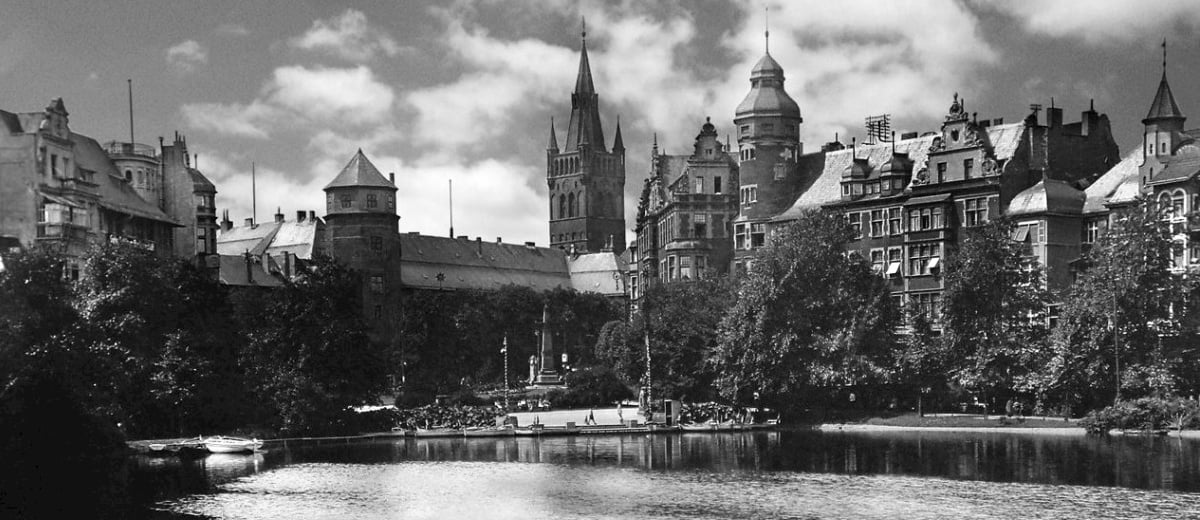
The city’s geography adds a distinctive backdrop. Kaliningrad’s historic centre, leafy public spaces and proximity to the Baltic coast have long made it a popular summer destination. A film festival held in August can therefore serve both local audiences and visitors already exploring the region. The event also offers a reason to spend several days in the city, supporting cinemas, cafés, hotels and other small businesses connected with cultural tourism.
What audiences can expect
The organisers have confirmed the dates and the festival’s broad mission, but a complete 2026 programme was not available on the official website at the time of publication. Readers should therefore treat the current announcement as a preview rather than a full schedule. Screening times, titles, jury details, ticket information and any public discussions may be released separately by the festival and participating venues.
The official regulations indicate that films selected for the programme may be shown in promotional screenings organised under the Koroche brand. This leaves room for the festival to extend its reach beyond the central competition, although the exact format of the 2026 public programme remains to be confirmed.
A constructive cultural signal
In a media environment often dominated by large productions and established names, a festival devoted to short and debut work offers a different kind of cultural story. Its value lies in attention: to new directors, to compact forms of storytelling and to the creative communities that gather around screenings.
For Kaliningrad, the approaching edition also reinforces the city’s position as a summer meeting place for cinema. The festival does not need a spectacular headline to be useful. By bringing unfinished careers, first films and curious audiences together, it creates a recurring space for discovery and discussion.
Koroche 2026 is scheduled to open on Tuesday, 18 August, and conclude on Sunday, 23 August. Further programme and ticket details should be checked through the festival’s official channels and the regional tourism calendar as they become available.










Comments