

 By
By 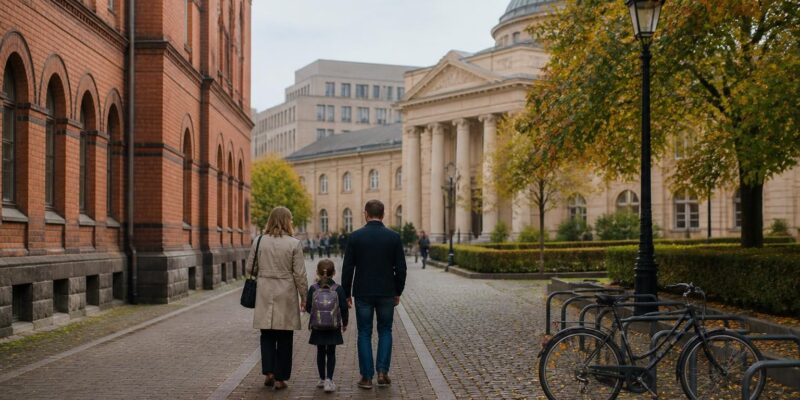
Kaliningrad will mark the beginning of the new school year with a public programme that takes learning beyond the classroom. On Tuesday, 1 September 2026, the city’s museums and cultural institutions are offering guided activities, performances, exhibitions and family-oriented quests, while a free walking tour will lead participants through three historic districts.
The programme is a modest but telling example of how urban heritage can be used as an accessible civic resource. Rather than treating history as something confined to display cases, organisers are linking it to streets, neighbourhoods, music and direct participation.
A three-hour walk through older Kaliningrad
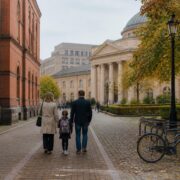
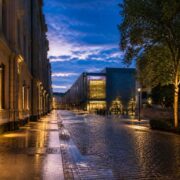
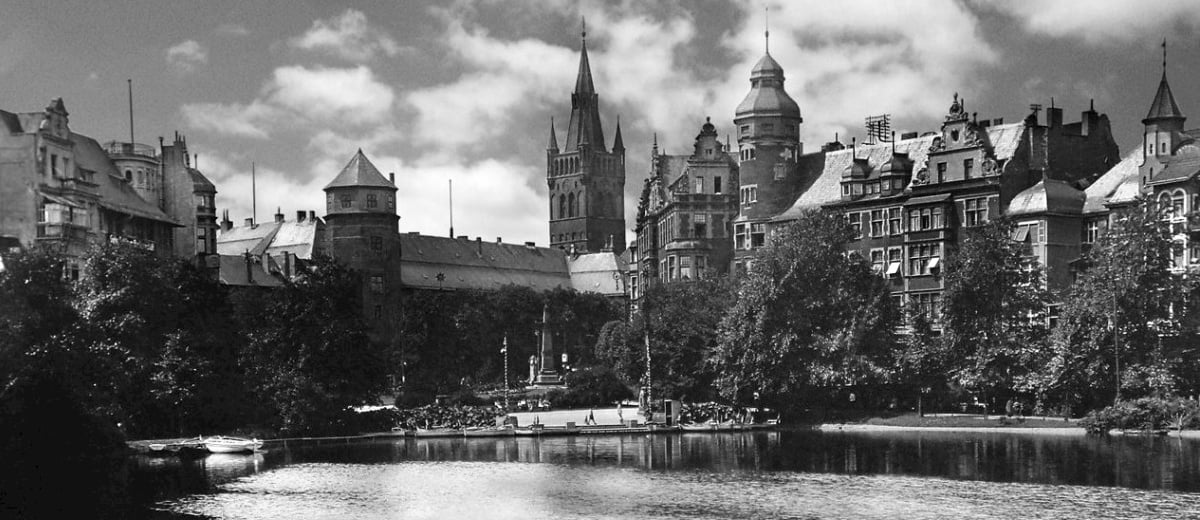
The most outward-facing element is a free excursion organised for Knowledge Day by Kaliningrad’s municipal Youth Centre. According to the city administration’s event notice, the tour begins at 16:30 and lasts approximately three hours. Its route passes through Rosgarten, Neue Sorge and Sackheim, historic parts of the city whose names and surviving urban traces reflect Kaliningrad’s layered past.
The walk is designed as a city-centre cultural activity rather than a conventional school ceremony. Participants will encounter the city as an open historical source: streets, buildings and neighbourhood layouts become prompts for discussing how Kaliningrad developed and how different periods remain visible in its present-day landscape.
That approach also broadens access. A free public route can appeal to families, students, residents returning to the city after the summer and visitors interested in understanding Kaliningrad beyond its best-known landmarks. The city notice describes the excursion as a visit to significant places, with registration details provided through the Youth Centre’s public communication channels.
Museums build their own learning programmes
The walking tour is part of a wider set of events listed by the Kaliningrad regional tourism information centre. The Kaliningrad branch of the Tretyakov Gallery is inviting schoolchildren, students, parents and teachers to a full day of activities connected with its exhibition “Great Teachers”. Scheduled guided tours will take place at 12:00, 15:00 and 17:00.
The gallery’s programme also includes creative workshops, a free film screening and a concert by pupils of the Baltic branch of the Central Music School and Academy of Performing Arts. The concert, beginning at 16:00, is intended to give young musicians a public stage while placing the start of the academic year in a broader cultural setting. A display of children’s art books will remain available in the gallery’s book lounge throughout the day.
The emphasis is therefore not limited to formal instruction. Visitors can move between visual art, discussion, film, music and reading, creating an informal route through different forms of knowledge. The gallery says the concert will include works by Russian and international composers, making the event as much about participation and listening as about ceremony.
The waterfront as a place of learning
The Museum of the World Ocean is also preparing a Knowledge Day programme on the Historical Fleet Embankment. A school assembly for students of the Kaliningrad Maritime Lyceum will be followed by an intellectual game titled “80 Years under the Sails of Knowledge”, with questions about regional history and the museum itself. The museum’s event listing says the programme is open to everyone and has free admission.
The setting is significant. The museum’s waterfront combines working maritime objects, public space and educational exhibitions, allowing the first day of the school year to be connected with the region’s relationship to the sea. For younger visitors, that can make local history more tangible than a lesson delivered solely in a classroom.
Other institutions are using the day to encourage family visits. The regional tourism centre lists a special programme at the Amber Museum, including an exhibition quest for schoolchildren and a scheduled educational activity for children accompanied by adults. The events show how museums are increasingly presenting collections through games, tasks and guided discovery rather than passive viewing alone.
A civic function for culture
Knowledge Day is formally associated with schools, but Kaliningrad’s 2026 programme gives it a wider civic dimension. The events bring together municipal services, museums, educators, young performers and families. They also make the city itself part of the curriculum, inviting residents to look at familiar places with greater historical attention.
For Kaliningrad, where different architectural and cultural layers coexist within a relatively compact urban area, this kind of programming can strengthen local awareness without requiring a large festival or major infrastructure project. A free neighbourhood walk, a museum game or a student concert offers a low-threshold way to participate.
The practical message is simple: the new academic year can begin not only with a timetable, but with curiosity about the place where learning takes place. On 1 September, Kaliningrad’s streets, galleries and waterfront museums will serve as complementary classrooms for residents of different ages.









Comments